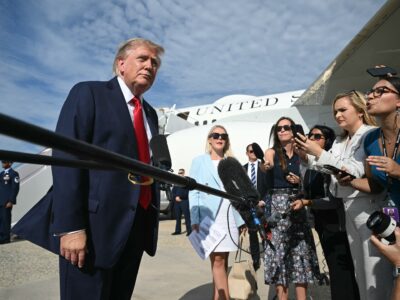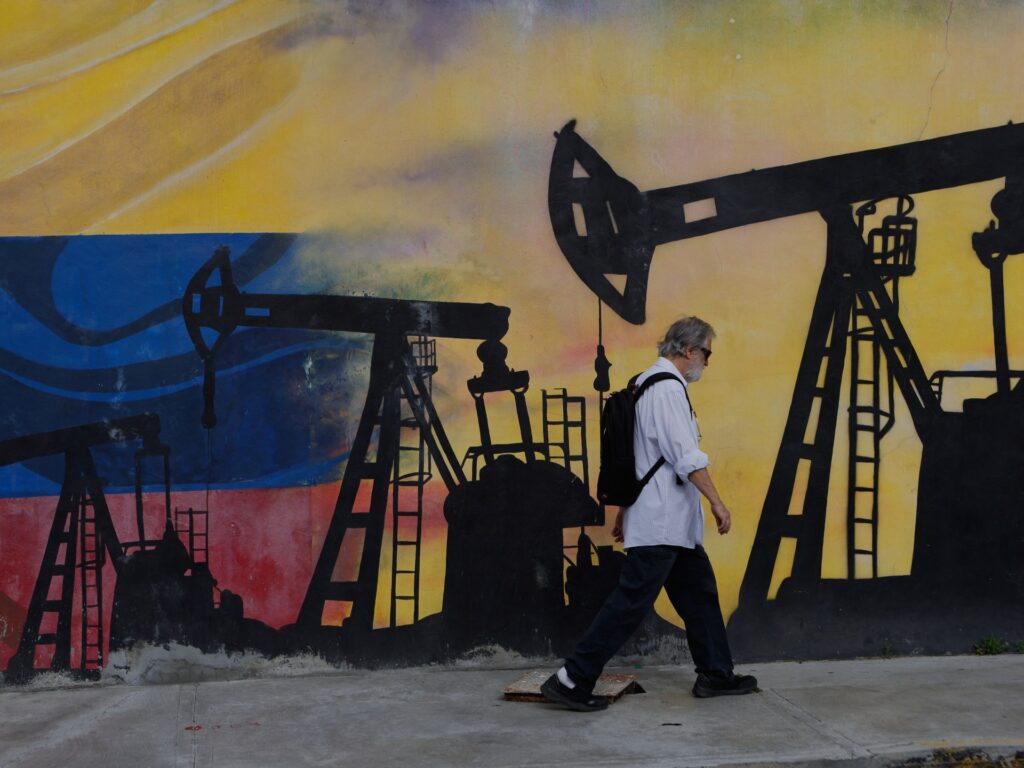
In a surprising move that signals a shift in U.S. energy strategy, President Donald Trump has announced plans to begin refilling the United States’ petroleum reserves using oil sourced from Venezuela. This announcement was made via a social media post where Trump stated that the ‘topping out’ process of these reserves will commence shortly.
The decision to tap Venezuelan oil comes amid ongoing discussions about energy security and strategic petroleum reserve management. Venezuela, known for having some of the largest proven oil reserves in the world, has been under U.S. sanctions for years, primarily due to political and human rights concerns. Yet, the need to bolster America’s petroleum reserves appears to have prompted a reevaluation of these restrictions.
Trump’s statement has sparked a flurry of reactions across the political spectrum and in the energy sector. Supporters argue that utilizing Venezuelan oil is a pragmatic approach to strengthening the nation’s energy independence and ensuring adequate fuel supplies in times of crisis. Opponents, however, express concerns about the implications of engaging with the Venezuelan regime, highlighting potential ethical and geopolitical risks.
The U.S. Strategic Petroleum Reserve (SPR) is a critical component of national energy security, designed to mitigate the impact of significant disruptions in oil supplies. Over the past years, the SPR levels have fluctuated due to various sales and purchases aligned with government policies. Replenishing these reserves is seen as a proactive step to guard against potential supply instabilities or price spikes.
Energy experts note that sourcing oil from Venezuela could offer logistical and economic benefits, considering the proximity of Venezuela to the U.S. and the established infrastructure for oil transport. However, legal and diplomatic hurdles related to existing sanctions need to be navigated carefully to enable this supply chain.
Analysts also point out that this move might be part of a broader geopolitical strategy, reflecting changes in U.S. foreign policy towards Latin America and Venezuela specifically. The timing of the announcement coincides with ongoing debates within the U.S. administration about how best to balance sanction enforcement and national energy needs.
The Trump administration has not yet released detailed plans outlining the volume of oil to be purchased, the timeline for replenishment, or the mechanisms that will ensure compliance with existing regulations. Industry insiders anticipate upcoming negotiations involving energy companies, government agencies, and international partners to finalize the logistics.
Environmental groups and some lawmakers have called for transparency and caution, emphasizing the need to consider environmental impacts and long-term sustainability in any decision to increase petroleum reserves.
As the U.S. prepares to embark on this ‘topping out’ process, all eyes will be on how this initiative unfolds, the implications for U.S.-Venezuela relations, and the broader energy market dynamics.
This development underscores the complexity of global energy politics and the intricate balancing act faced by the U.S. government in securing its energy future while navigating international challenges and domestic expectations.