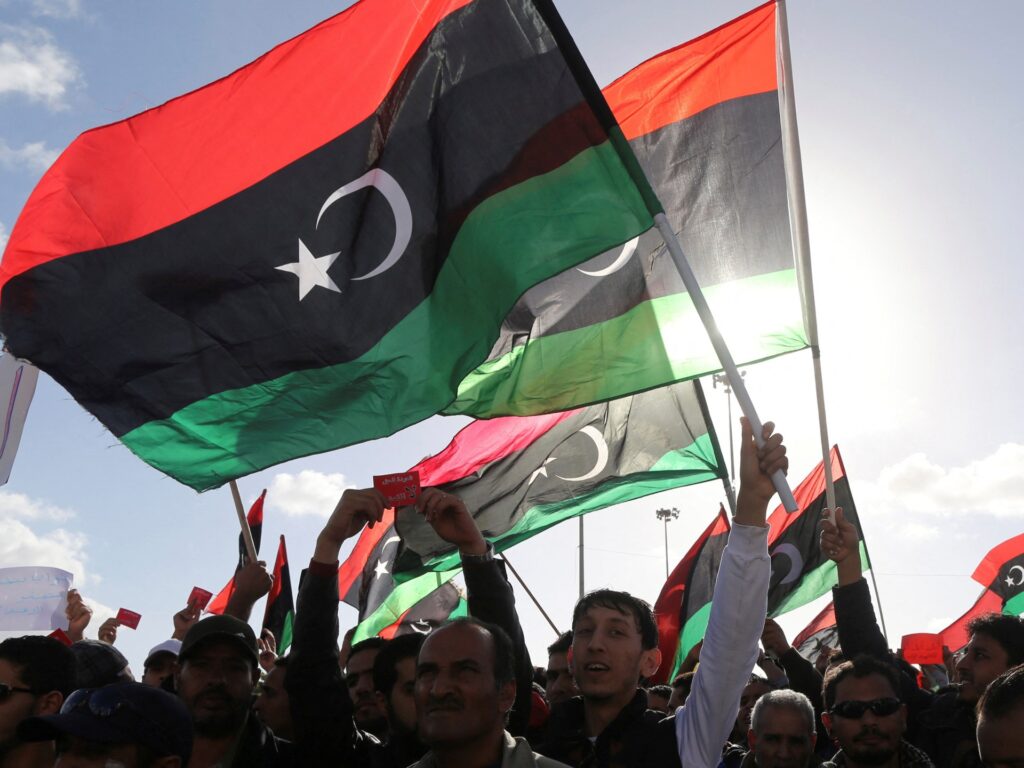
In a significant development towards stabilizing Libya, rival factions have signed an agreement to hold national elections within the next two years. This crucial step was taken at the United Nations mission in Tripoli, marking a milestone in the country’s ongoing efforts to establish a unified government.
The agreement was finalized following the drafting of the initial document by a UN-backed committee based in Tunis on August 20. The draft laid the groundwork for discussions between the divided Libyan groups, aimed at outlining a clear and feasible timeline for national elections.
Libya has been mired in conflict and political instability since 2011, following the fall of Muammar Gaddafi. Various factions have battled for control, complicating efforts to create a cohesive government structure. The agreement represents an essential move to bridge divides and promote political reconciliation.
The signing at the UN mission is a testament to the international community’s continued engagement with Libya, emphasizing the importance of dialogue and cooperation among different power centers within the country.
Under the terms of the agreement, Libya is committed to conducting free and fair elections within two years. This timeline provides a roadmap to unify the country’s political landscape and pave the way for lasting peace and security.
The elections are expected to be a turning point, enabling Libyans to choose their representatives democratically and endorse a government that reflects the aspirations of its people. Political analysts believe that the success of this agreement will depend on the ongoing support from international partners and the willingness of factions to prioritize national interests.
The deal also underscores the role of the United Nations as a mediator and facilitator in conflict resolution, demonstrating the potential for diplomatic approaches in resolving complex internal disputes.
As Libya looks forward to this electoral process, challenges remain, including security concerns and the integration of diverse political agendas. However, the agreement marks a hopeful chapter for a country long divided by war and political fragmentation.
The international community has welcomed this breakthrough, expressing optimism that the elections will usher in a new era of stability and governance. The UN mission in Tripoli will likely continue to monitor and support Libya’s journey towards these national elections, ensuring that commitments are honored and progress is maintained.
In conclusion, the recent signing between Libya’s factions reflects a commitment to peace and democratic process. This landmark agreement potentially transforms Libya’s future, as it competes with its difficult past to build a united, prosperous nation through credible national elections within two years.