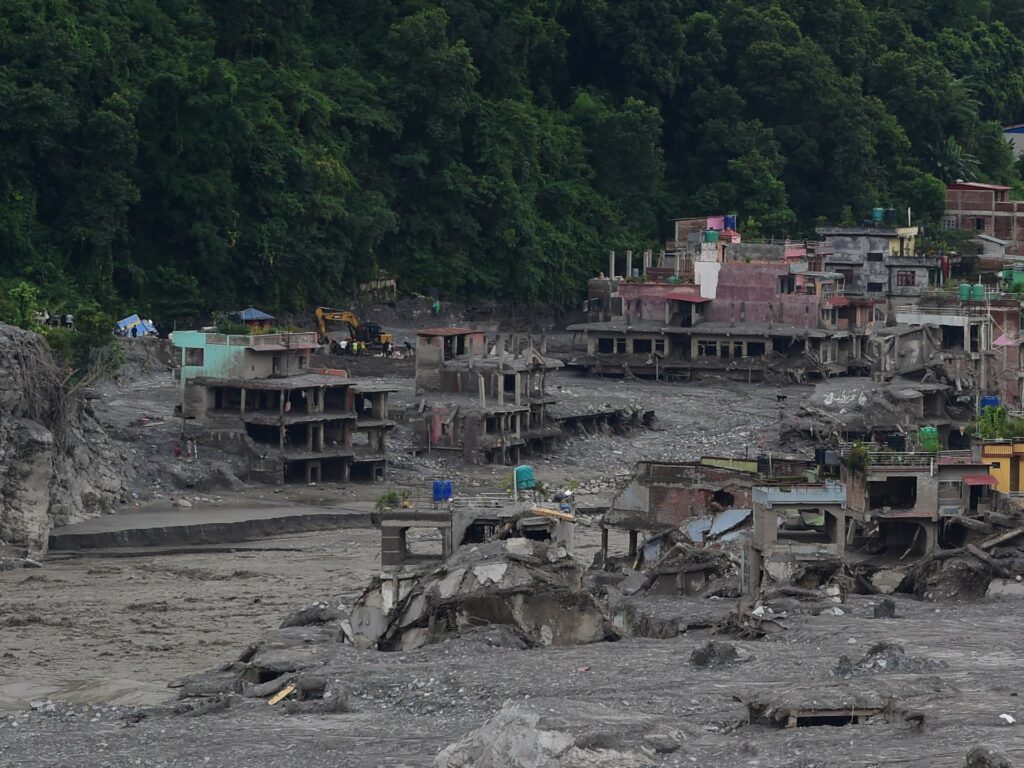
A catastrophic glacier collapse in the Himalayas has resulted in a death toll nearing 800, with dozens more feared missing. The disaster occurred when a massive glacier suddenly gave way, unleashing a torrent of ice, rocks, and debris down the mountainsides, devastating nearby communities in both Nepal and China.
Rescue efforts have been hampered by the treacherous terrain and unstable conditions following the collapse. Specialized search-and-rescue teams from multiple countries have joined the ongoing operations, working tirelessly to locate survivors and recover bodies amid the wreckage.
Authorities report that the initial collapse triggered flooding downstream, sweeping away homes, infrastructure, and a number of vehicles. Several villages have been cut off, with communications severely disrupted. Helicopters and drones equipped with thermal imaging are being used to assist ground teams in the search.
Experts warn that the region remains at risk of further glacier movements due to climate-related changes impacting Himalayan ice formations. Local governments are calling for increased monitoring and improved disaster preparedness to mitigate future incidents.
The affected families have received humanitarian aid including food, shelter, and medical assistance. International organizations have pledged support and relief funding to help cope with the aftermath.
This tragic event highlights the vulnerability of mountain communities in the face of environmental hazards intensified by global warming. Coordinated efforts between Nepal and China continue as the search for survivors goes on and recovery operations strive to restore normalcy in the hardest-hit areas.