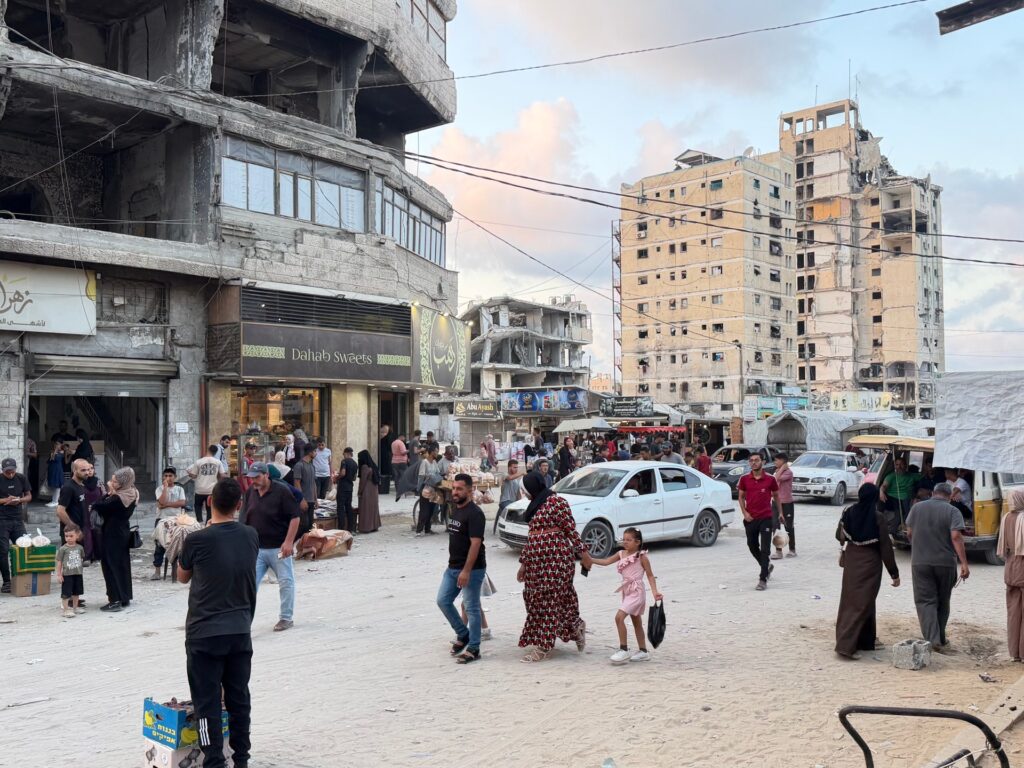
The Gaza Strip is currently facing a severe liquidity crisis that has thrust its population into an unprecedented financial hardship. Israeli restrictions coupled with extensive war damage have crippled Gaza’s banking system, forcing residents and businesses to rely heavily on unstable and often unreliable online payment methods.
For years, Gaza has been experiencing economic constraints due to ongoing blockades and frequent conflict. However, recent developments have escalated the crisis to alarming levels, effectively creating a cash famine throughout the territory. The lack of physical currency in circulation has disrupted daily commerce, making even the simplest transactions difficult for the average citizen.
Banks operating within Gaza have been hit hard as the Israeli-imposed limitations on cash inflows and outflows have severely limited their ability to function normally. These restrictions have not only constrained liquidity but also undermined the confidence of consumers and businesses in the banking system. With withdrawal limits and reduced cash availability, people are turning to online payment platforms despite their unpredictability and technical challenges.
The reliance on digital transactions comes with its own set of problems. Internet connectivity in Gaza is often unstable due to infrastructural damages caused by repeated conflicts and power outages. This results in frequent disruptions during online transactions, which adds to the financial uncertainty faced by residents. Many are forced to risk lost payments, delayed transfers, or even scams due to the lack of alternatives.
Small business owners are particularly vulnerable in this climate. Their ability to pay suppliers, receive payments from customers, and manage payroll has been seriously compromised. The cash famine has stymied commercial activities and led to a downturn in local economic vitality. Entrepreneurs and traders are caught in a vicious cycle where the scarcity of cash limits business operations, which in turn reduces income and spending power.
The humanitarian implications of this financial paralysis are profound. Gaza’s population, already vulnerable due to high unemployment and poverty rates, now faces even greater challenges in accessing essential goods and services. The inability to conduct straightforward purchases exacerbates food insecurity and limits access to healthcare supplies and other basic necessities.
International aid organizations have expressed concern over the liquidity crisis, emphasizing the need for immediate relief and systemic solutions to restore financial stability. Efforts to channel funds into Gaza are complicated by the political landscape and the ongoing conflict, but there is a pressing need to find ways to facilitate cash flow and improve banking operations.
Experts suggest that easing restrictions on cash movements and investing in robust financial infrastructure could help alleviate the crisis. Supporting alternative, secure digital payment methods, improving internet and power infrastructure, and enabling smoother remittance processes are critical steps toward restoring economic normalcy.
In conclusion, the Gaza Strip’s forced dependence on unreliable online payments amid a cash famine highlights the deep financial distress caused by Israeli restrictions and war damage. Addressing this liquidity crisis requires coordinated international intervention and local resilience strategies to ensure that Gaza’s citizens and businesses can regain access to stable and reliable financial services essential for survival and growth.