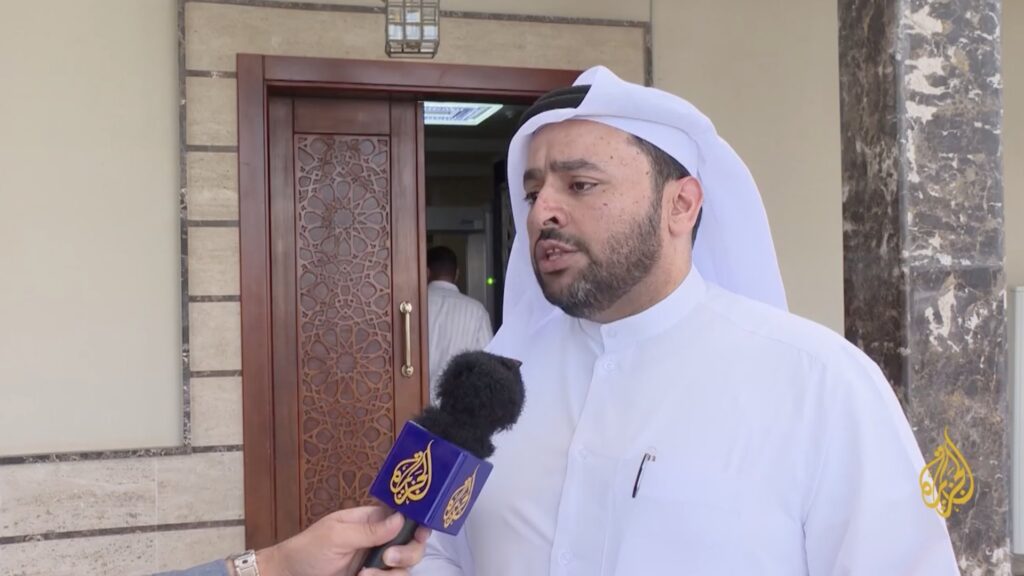
In a significant diplomatic move, Qatar’s Minister of State for Foreign Affairs has made a historic visit to eastern Libya, marking the first such visit from a Qatari top official in 14 years. This visit underscores Qatar’s renewed commitment to fostering unity and stability in Libya, a country that has been grappling with division and conflict since the fall of Muammar Gaddafi’s regime in 2011.
Libya remains divided between the east and west, with rival administrations and militias controlling different parts of the country. The eastern region has been under the influence of the Libyan National Army (LNA) and its leader, Khalifa Haftar, while the western region houses the internationally recognized Government of National Accord (GNA) based in Tripoli.
Qatar’s diplomatic breakthrough comes amid continued efforts by international stakeholders to mediate peace and reconciliation between the competing factions. By engaging directly with the eastern authorities, Qatar aims to build trust and encourage dialogue that can pave the way for a unified government.
The visit included high-level meetings with local officials and community leaders. Discussions focused on the importance of inclusive governance, security cooperation, and economic rebuilding projects that could benefit all Libyans regardless of their geographic location.
Qatar’s involvement is also seen as part of a broader regional and international framework that supports Libya’s sovereignty and territorial integrity. It reflects a shift towards more active diplomatic engagement to help resolve the long-standing crisis that has caused immense suffering and disrupted regional stability.
Observers note that this visit may signal a new chapter in Libyan politics, where external influence, including Qatar’s, is leveraged to bring about reconciliation and national unity. The hope is that through continued international support and internal commitment, Libya can eventually transition to peace and rebuild its institutions.
The visit also highlights the changing dynamics in Middle Eastern and North African geopolitics, where states like Qatar play pivotal roles in conflict resolution and development initiatives.
As Libya stands at a crossroads, efforts like Qatar’s recent engagement in the east are critical. They represent concrete steps towards healing divisions and creating a foundation for a stable, inclusive future for all Libyans. The international community watches closely, hopeful that these diplomatic endeavors will lead to lasting peace in one of the region’s most troubled countries.