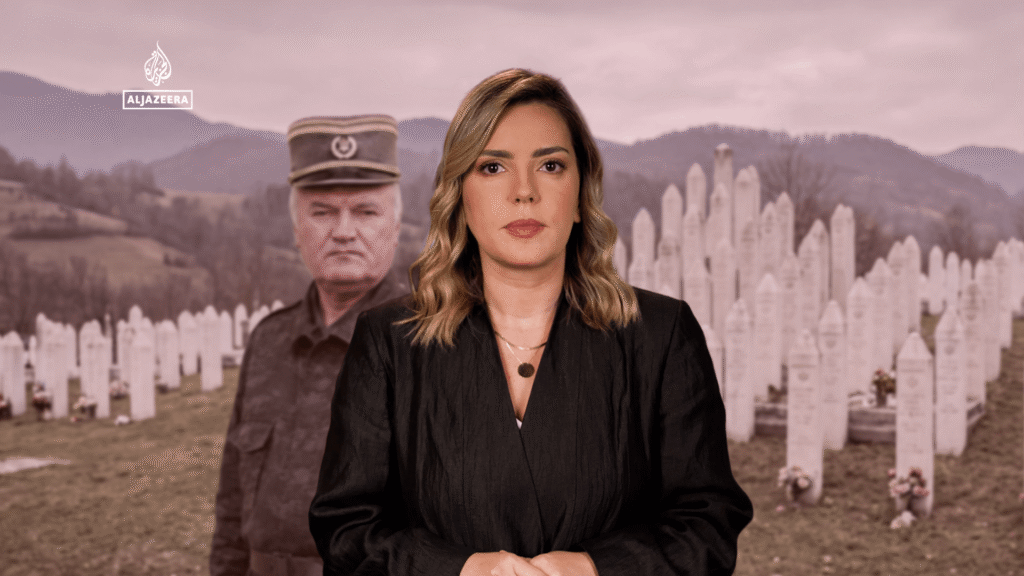
Ratko Mladic, a Bosnian Serb general known for his role during the Yugoslav Wars, has died. Mladic was serving a life sentence for genocide and crimes against humanity, following his conviction at the International Criminal Tribunal for the former Yugoslavia (ICTY).
Mladic’s name is closely associated with some of the most harrowing events of the 1990s Balkan conflict, notably the siege of Sarajevo and the Srebrenica massacre, which was the worst atrocity on European soil since World War II. Charged with orchestrating these and other acts, his trial was one of the most prominent war crimes prosecutions in recent history.
The International Criminal Tribunal found Mladic guilty of genocide, war crimes, and crimes against humanity, including the massacre of more than 8,000 Bosniak men and boys in Srebrenica in 1995. His conviction represented a significant moment in international justice, emphasizing global efforts to hold individuals accountable for atrocities committed during the Yugoslav Wars.
Throughout his trial and incarceration, Ratko Mladic remained a controversial figure. In Republika Srpska and among some Serb communities, he was viewed by some as a defender of their interests during a violent period, while internationally he was widely condemned as a war criminal.
Mladic’s death marks the end of an era concerning direct links to the commanders responsible for wartime atrocities during the 1990s conflict. His passing may reopen conversations about reconciliation, justice, and remembrance in the Balkans.
Officials and human rights groups have reiterated the importance of remembering the victims of the conflict and continuing efforts to foster peace and accountability in the region. The legacy of Mladic’s actions and the ICTY’s judicial process continue to influence discussions on international law and transitional justice.
As news outlets report on his death, analysis is likely to focus on the impact of his life and trial on the political and social landscape of the Balkans. It serves as a reminder of the atrocities committed and the global resolve to prevent future crimes against humanity.
Ratko Mladic’s death is not just the passing of a man, but a significant moment in the post-war history of the former Yugoslavia, highlighting ongoing challenges of reconciliation and the pursuit of justice.