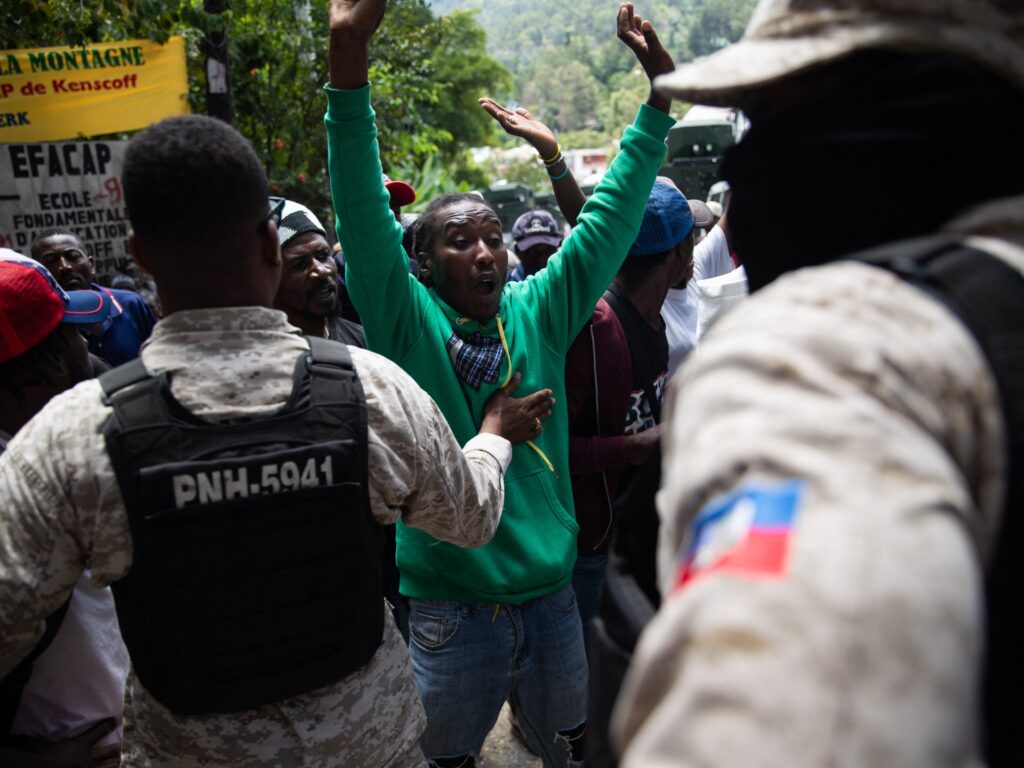
On a tragic day in Kenscoff, Haiti, a deadly gang attack resulted in the deaths of 47 people, igniting public outrage and casting a harsh spotlight on the nation’s ongoing security challenges. Kenscoff, a community that had recently seen a decrease in crime rates, was left reeling after the violent incident, raising urgent questions about the effectiveness of law enforcement and the stability of public safety across Haiti.
The attack is one of the deadliest in recent times and has deeply shaken residents in a town that had been cautiously optimistic due to improvements in local security. Authorities are now facing significant pressure from the public to enhance their response mechanisms and prevent future tragedies. The brutal incident underscores the complex and pervasive nature of gang violence plaguing the country.
Haitian police forces, already stretched thin due to limited resources and widespread violence, are under scrutiny as they attempt to restore order. The widespread frustration among citizens stems from years of insecurity amplified by gang control in various regions. Many locals expressed feelings of abandonment and distrust toward the security apparatus, highlighting the need for comprehensive reforms.
Experts note that the gang attack in Kenscoff is symptomatic of the broader security issues engulfing Haiti, where criminal organizations operate with impunity in many areas. Over recent years, gangs have expanded their influence, controlling neighborhoods, obstructing transportation, and intimidating residents, which hampers economic activity and quality of life.
Government officials have condemned the attack and pledged to intensify efforts to dismantle criminal networks. They stress the importance of international cooperation, improved policing strategies, and community engagement to address the root causes of violence. However, skepticism remains among citizens who have witnessed repeated promises with limited tangible results.
The human toll from the attack is staggering, with families mourning their lost loved ones and survivors grappling with trauma. Human rights organizations have called for urgent investigations, protection for vulnerable populations, and transparent justice processes.
Beyond immediate security concerns, the attack in Kenscoff serves as a stark reminder of Haiti’s ongoing struggle with poverty, political instability, and institutional weaknesses. Without coordinated and sustained efforts, the cycle of violence risks perpetuating, further destabilizing the nation.
The incident has also caused a ripple effect in neighboring communities, with residents expressing fear and uncertainty about their own safety. This pervasive anxiety adds to the challenges faced by police tasked with managing public order.
As Haiti confronts this crisis, there is a call for a multi-faceted approach combining law enforcement, social services, economic development, and community resilience programs. Such strategies are essential for creating a safer environment and rebuilding trust between citizens and authorities.
International actors, including the United Nations and regional organizations, have reiterated their support for Haiti’s security sector reforms and humanitarian needs. Continued assistance is viewed as critical in bolstering local capacities.
Ultimately, the deadly attack in Kenscoff is a painful chapter in Haiti’s ongoing journey toward peace and stability. It reveals the urgent need to address the root causes of violence and build a foundation where communities can thrive without fear. The road ahead remains challenging, but with concerted effort and collective will, there is hope for a safer future for all Haitians.