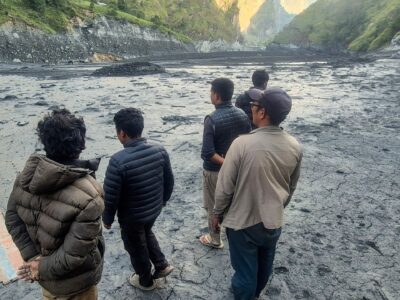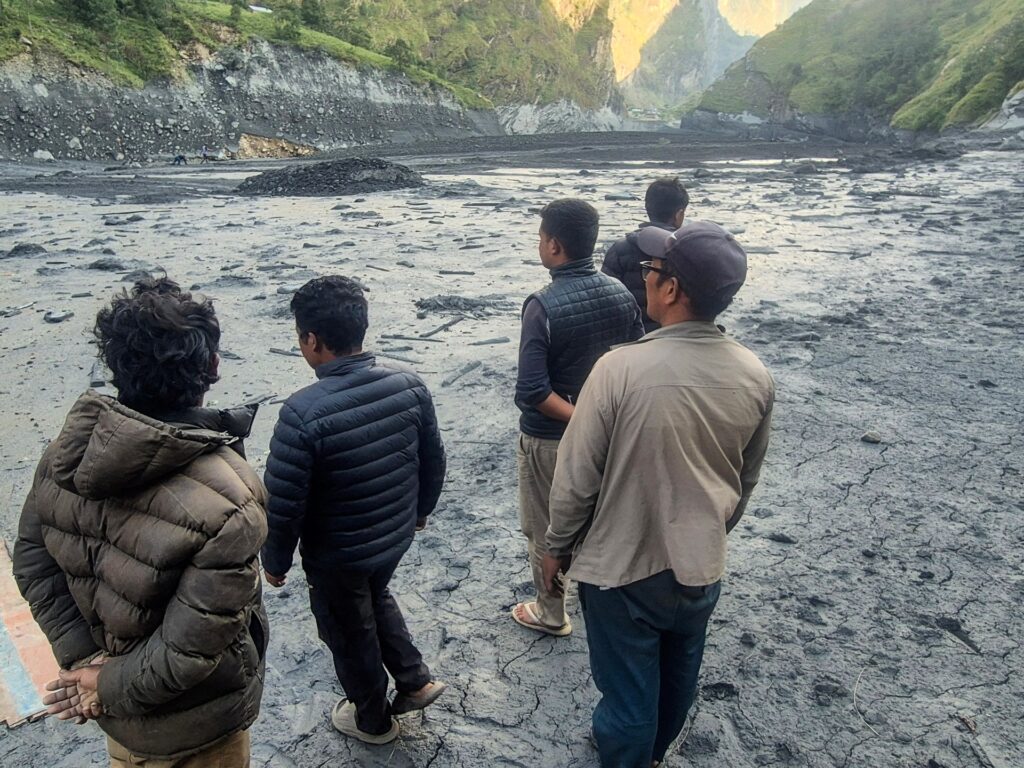
A sudden flash flood caused by incessant rains has left over 100 foreign trekkers stranded in Nepal’s Gorkha region, a popular trekking destination known for the scenic Manaslu trail. The heavy rains triggered severe flooding which swept away homes, bridges, and vital parts of the trekking route, causing significant disruption and posing serious safety concerns for the trekkers.
The Manaslu region, famous for its stunning mountain landscapes and cultural richness, has been severely impacted by nature’s fury. The flash floods have damaged critical infrastructure, including footbridges that are essential for trekkers to navigate the rugged terrain. With the destruction of these pathways, many trekkers find themselves trapped, unable to continue their journey or return to safer zones.
Local authorities and rescue teams have launched intensive operations to evacuate those stranded. Helicopters and ground teams equipped with rescue gear are working tirelessly to reach the affected trekkers. The efforts include providing medical aid, food, and shelter to those unable to escape the areas cut off by floodwaters.
The Nepali government has issued warnings to tourists and advised against travel in the affected regions until conditions improve. Emergency helplines have been set up to assist stranded travelers and coordinate rescue missions. Tour operators have also been urged to keep close contact with their groups and report any emergencies promptly.
This incident highlights the risks posed by Nepal’s unpredictable monsoon season, which often leads to landslides, floods, and infrastructure damage in mountainous regions. The Gorkha district, already familiar with natural disasters, faces challenges in swiftly restoring normalcy and ensuring the safety of visitors and locals alike.
Environmental experts emphasize the need for improved early warning systems and sustainable infrastructure to mitigate the impact of such natural calamities in trekking areas. There is growing concern that climate change may be contributing to increased weather volatility, adding urgency to preparedness and response measures.
Meanwhile, trekkers stranded in the area are urged to remain calm and follow the instructions of rescue personnel. Authorities assure that every possible resource is being deployed to bring everyone to safety as quickly as possible.
As this rescue operation unfolds, the international trekking community watches with concern, hopeful for the safe return of all affected adventurers. Nepal’s treasured landscapes remain a magnet for explorers, but these events underscore the importance of caution and resilience in the face of natural disasters.