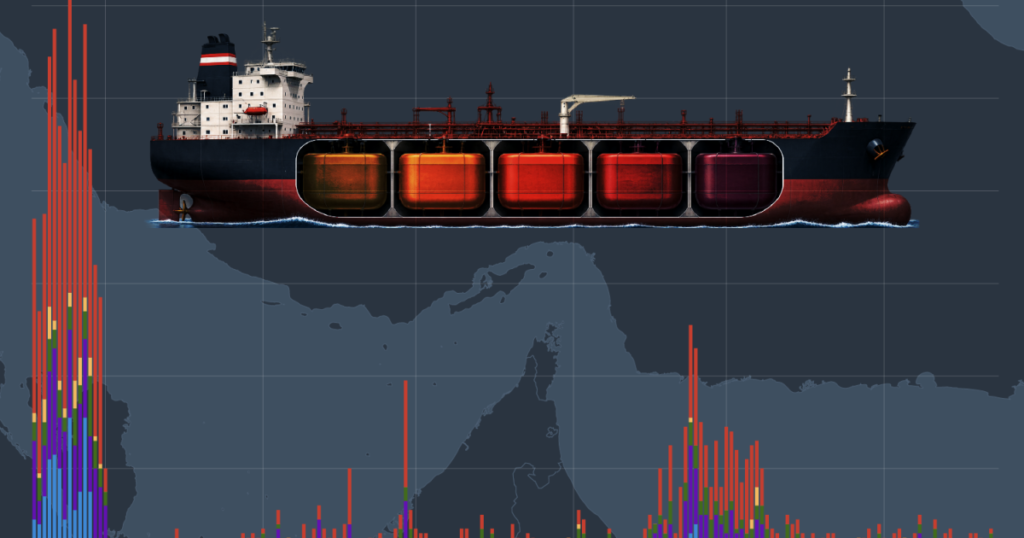
The Strait of Hormuz, a crucial maritime chokepoint through which roughly 20 million barrels of oil per day passed, has experienced a drastic 95 percent reduction in traffic. This steep decline has sent shockwaves through the global shipping industry, which relies heavily on this narrow passageway for the transportation of goods. Approximately 80 percent of the world’s trade is carried by sea, making the Strait’s sudden disruption a critical event with far-reaching consequences.
The Strait of Hormuz connects the Persian Gulf to the Gulf of Oman and the Arabian Sea, serving as a vital artery for petroleum exports from major oil-producing countries including Saudi Arabia, Iran, and the United Arab Emirates. The disruption began due to escalating geopolitical tensions in the region, resulting in heightened security risks and subsequent restrictions on vessel movements.
Global shipping companies faced immediate challenges, compelled to reroute their vessels through alternative, longer routes such as the Bab el-Mandeb Strait and around the Cape of Good Hope. These detours added thousands of miles and several days to the journey, increasing fuel consumption and operational costs significantly. The increase in transit time has caused delays in delivery schedules, affecting supply chains worldwide.
The knock-on effects have been felt in the prices of commodities, especially oil, as the bottleneck in the Hormuz Strait limited supply reliability. Oil prices showed increased volatility as traders reacted to the disruptions, creating uncertainty in energy markets and influencing global economic stability.
Shipping firms also adapted by enhancing vessel security measures and investing in advanced monitoring technologies to safeguard crews and cargo from potential threats in high-risk waters. Insurance premiums for voyages passing through the region soared, adding financial burdens to the transportation sector.
The slump in Hormuz traffic has also had socio-economic repercussions for ports and logistics hubs dependent on consistent maritime flows. Regional economies have seen reduced business activity, prompting governments to search for strategic solutions to mitigate the impact.
In response, international stakeholders have advocated for diplomatic negotiations to defuse tensions and ensure the reopening of the strait to secure a steady flow of maritime traffic. Discussions on diversifying energy supply routes and promoting alternative transport corridors are gaining momentum to reduce dependency on vulnerable chokepoints.
This crisis highlights the vulnerability of global trade to disruptions in critical infrastructure points and underscores the importance of resilient and flexible maritime logistics systems. The 95 percent drop in Hormuz traffic has reshaped shipping patterns, accelerated strategic planning within the industry, and raised awareness about the fragility of global supply chains.
As the world continues to navigate these challenges, the maritime industry and global policymakers remain focused on devising collaborative strategies to protect essential trade routes and maintain the continuity of international commerce.