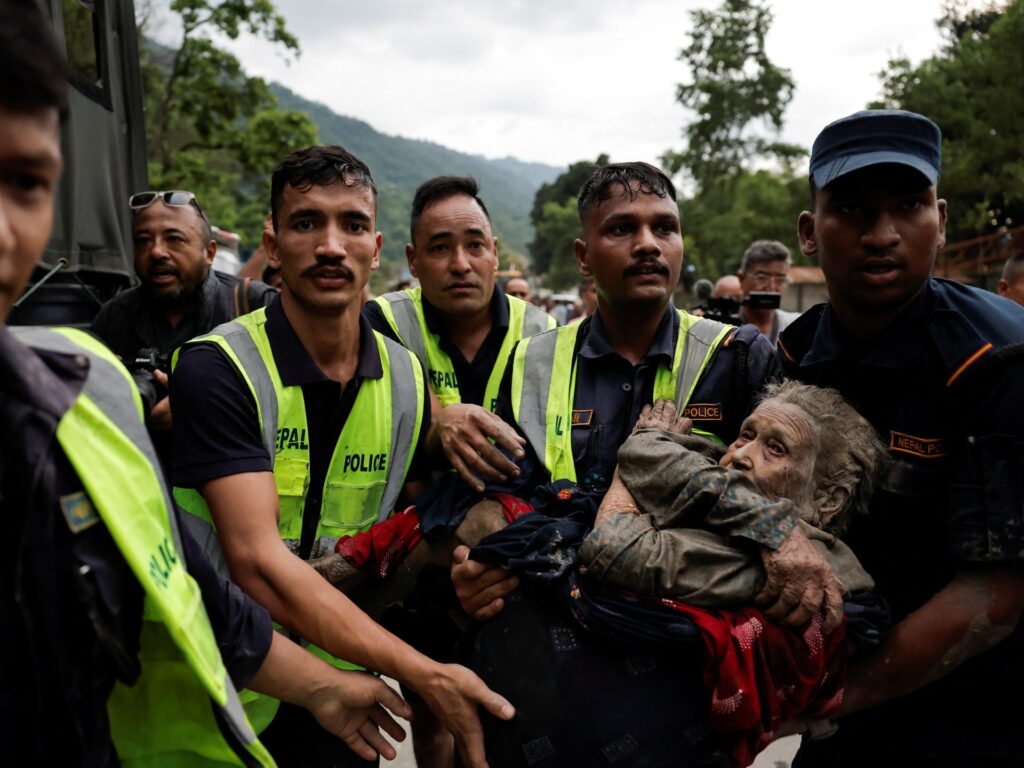
In a tragic natural disaster, torrential floods have swept through the Himalayan region bordering Nepal and Tibet, resulting in catastrophic loss of life and widespread devastation. According to official reports, police have recovered 270 bodies so far, with nearly 1,400 people still missing amid the chaos.
The floods were triggered by heavy monsoon rains that caused rivers to overflow, landslides to occur, and entire villages to be submerged. The Himalayan topography, which is characterized by steep slopes and deep valleys, exacerbated the impact by accelerating water flow and debris movement, leaving communities vulnerable.
Nepal’s mountainous terrain often faces challenges during monsoon season, but this event is unprecedented in scale for the region. Local authorities and international aid agencies have mobilized rescue teams and emergency responders to search for survivors, provide medical care, and distribute relief supplies.
The already rugged infrastructure has been severely damaged, with roads and bridges washed out, complicating access to affected areas. Communication networks remain intermittent, hindering coordination efforts and leaving many families unaware of the fate of their loved ones.
In Tibet, similar flooding conditions have emerged, although comprehensive details remain scarce due to limited information flow across the border. The interconnected river systems mean that the disaster impacts both sides of the Himalayan range simultaneously.
Experts highlight the increasing intensity and frequency of such floods, often linked to climate change, glacier melt, and altered precipitation patterns in the high-altitude region. This disaster serves as a stark reminder of the vulnerability of Himalayan communities to environmental hazards.
Government officials in Nepal have declared a state of emergency and are appealing for international support to boost rescue and relief operations. Aid organizations are coordinating to deliver food, shelter, and medical supplies to displaced populations, who are currently residing in temporary camps.
The human toll is immense: beyond the confirmed deaths, countless families are confronting the uncertainty of missing relatives, destroyed homes, and the emotional trauma of such devastation. Rescue workers are racing against time to locate survivors before conditions worsen.
This calamity also raises concerns about long-term resilience and the need for sustainable development strategies that can mitigate the impact of natural disasters in this fragile environment. Calls for enhanced early warning systems, reforestation, and improved disaster preparedness are growing louder.
As the situation evolves, solidarity from the global community will be crucial to support Nepal and Tibet in overcoming this humanitarian crisis. Continuous updates from authorities and news agencies will help keep the public informed about ongoing relief efforts and the overall status of the flood aftermath.
The Nepal-Tibet floods underscore the harsh realities faced by mountain communities and the urgent necessity to address environmental and infrastructural vulnerabilities to prevent future tragedies.