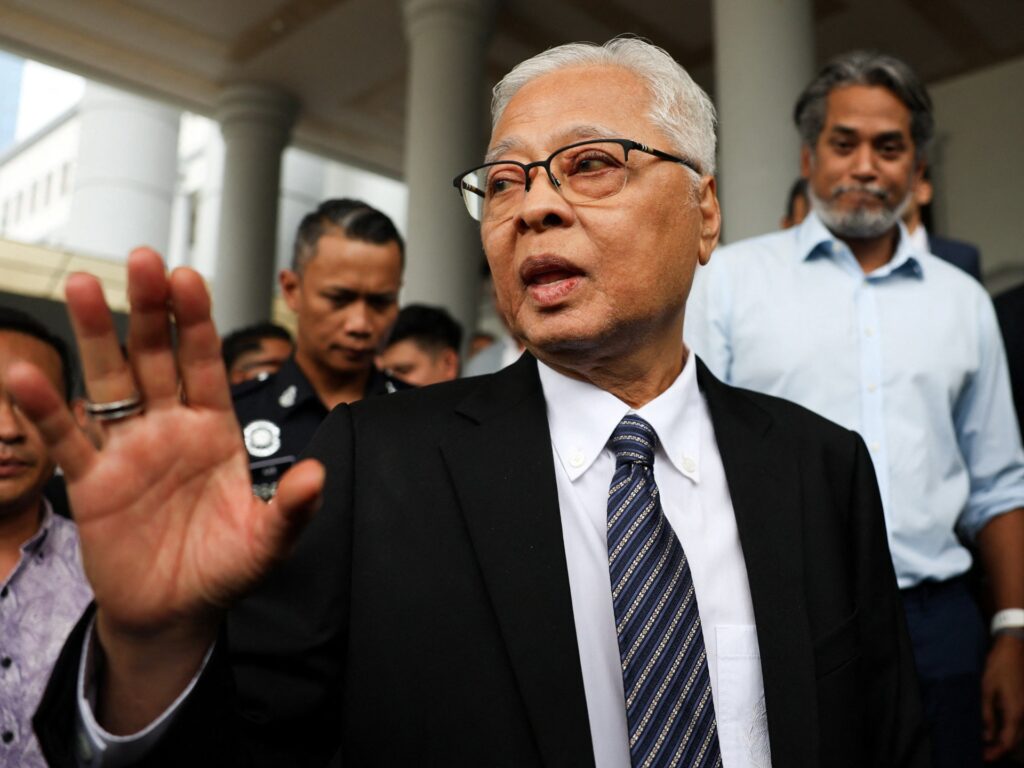
Malaysia’s former Prime Minister, Ismail Sabri Yaakob, has recently been charged with concealing assets, marking a significant development in the nation’s political and legal landscape. At 66 years old, Sabri faces allegations of failing to provide a full and complete declaration of his assets, a requirement for public officials under Malaysian law.
This charge stems from claims that Sabri did not disclose certain assets during his time in public office, raising concerns over transparency and accountability. The former premier has pleaded not guilty to these accusations, setting the stage for a legal battle that will be closely watched both domestically and internationally.
Asset declaration is a critical component of governance, intended to prevent corruption and ensure public officials are held accountable for their holdings. The case against Sabri focuses on whether he intentionally omitted details or concealed assets to evade scrutiny.
The investigation began following reports and audits by Malaysian anti-corruption authorities, highlighting discrepancies in Sabri’s declared wealth. The charges not only cast a shadow over his tenure as Prime Minister but also signal Malaysia’s commitment to fighting corruption at the highest levels.
Analysts note that this situation could have broader political implications, potentially affecting the ruling coalition and impacting public trust in government institutions. Sabri’s legal team argues that the charges are unfounded and politically motivated, and they plan to vigorously defend their client.
Throughout his political career, Ismail Sabri Yaakob has been a prominent figure within Malaysian politics, serving in various ministerial roles before becoming Prime Minister. His time in office was marked by efforts to steer the country through economic challenges and the COVID-19 pandemic.
Supporters of Sabri maintain that the charges are a distraction from his positive contributions and policy achievements. However, the opposition and civil society groups view the legal proceedings as a test of Malaysia’s judicial independence and anti-corruption mechanisms.
The case is expected to proceed through the Malaysian courts, where evidence and testimonies will determine the outcome. Legal experts suggest that if found guilty, Sabri could face penalties including fines, imprisonment, or both, as set out under Malaysian law for asset concealment.
Malaysia’s broader fight against corruption has seen several high-profile cases in recent years, reflecting a growing demand among citizens for cleaner governance and more transparent leadership.
This development also underscores the challenges faced by political leaders in maintaining ethical standards while managing personal and public interests. Many observers hope the case will encourage greater diligence in asset declarations for all public officials moving forward.
In conclusion, the charge against Ismail Sabri is a pivotal moment for Malaysia’s anti-corruption efforts and a reminder of the ongoing vigilance required to uphold integrity in public office. The coming months will be critical as the judicial process unfolds and Malaysia grapples with its implications for politics and governance.