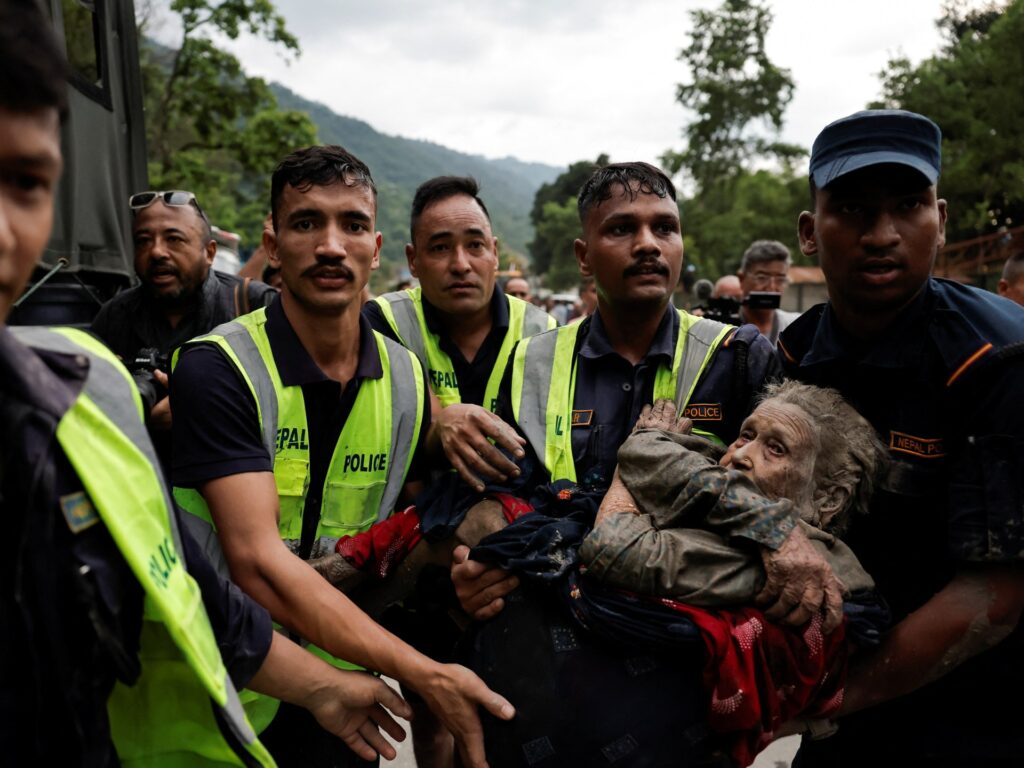
Tragedy struck near the Nepal-Tibet border as devastating flash floods have claimed nearly 180 lives, with approximately 1,400 individuals still reported missing. The sudden floods have wreaked havoc in the region, leaving communities in shock and prompting an urgent rescue operation that remains underway.
The disaster unfolded rapidly when heavy rains caused rivers to overflow, triggering flash floods that swept through several villages and towns along the border area. The force and speed of the water left little time for residents to escape, resulting in significant loss of life and extensive damage to homes, infrastructure, and roads.
Rescue teams from Nepal and Chinese authorities have joined forces to scour the affected region, battling challenging conditions to locate survivors and recover those lost in the floods. Helicopters, boats, and ground personnel are all being employed in the effort, which is hampered by the rugged terrain and ongoing adverse weather.
Local governments have set up emergency shelters and are providing food, water, and medical care to those displaced by the disaster. Humanitarian organizations are also mobilizing to assist with relief efforts, prioritizing aid to the most vulnerable populations.
Communications have been disrupted in some areas, complicating coordination and delaying reunification efforts for families separated by the floods. Authorities have urged residents in flood-prone regions to remain vigilant and follow safety instructions.
The Nepal-Tibet border region, known for its mountainous landscape, is particularly susceptible to flash floods during the monsoon season. This year’s rains have been unusually heavy, intensifying the risk and impact of such natural disasters.
Experts highlight the need for improved early warning systems and infrastructure resilience to mitigate the effects of future floods. Climate change is also cited as a factor contributing to the increased frequency and severity of extreme weather events in the Himalayas.
As search and rescue missions continue, the focus remains on saving lives and supporting those affected by the calamity. The international community has expressed solidarity, with offers of assistance coming from neighboring countries and aid organizations worldwide.
This tragic event serves as a stark reminder of the vulnerabilities faced by communities living in mountainous and flood-prone regions and underscores the urgency of coordinated disaster preparedness and response strategies.