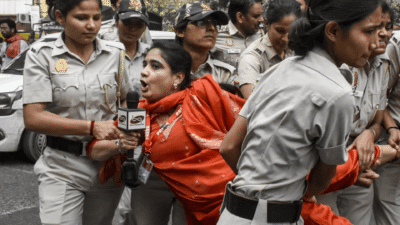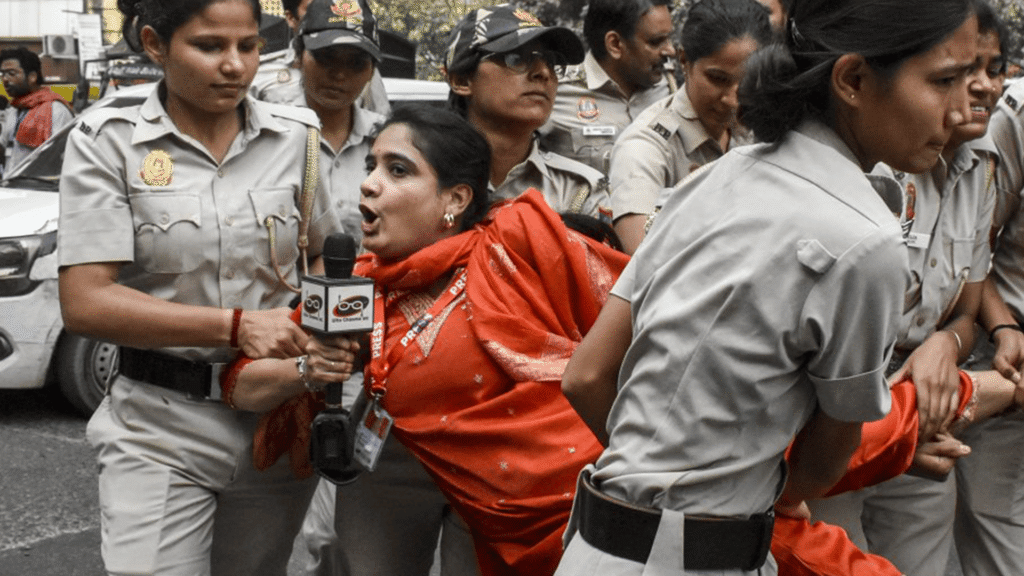
In a concerning development for press freedom, Indian police detained at least 35 journalists over a 48-hour period while they were covering anti-government protests in New Delhi. These protests, which have drawn significant public attention, are critical in nature, expressing dissent against government policies. The journalists detained represent various media outlets, and their detention has raised alarms about the state of media rights and freedom of expression in the country.
The protests erupted in response to multiple political and social grievances, with citizens demanding accountability and reform. Media personnel were actively reporting from the ground to provide real-time updates and cover the unfolding events. However, the police action against the journalists has complicated the situation, leading to widespread condemnation from international and local press freedom organizations.
Detaining journalists during protest coverage undermines the essential role that media plays in a democratic society. It prevents the public from receiving unbiased information and obstructs transparency. The arrested journalists were reportedly held temporarily and subjected to questioning, with some concerns raised about the conditions of their detention.
This incident is not isolated but part of a growing trend in several parts of India where press freedoms face increasing challenges amid political unrest. Analysts point out that suppressing journalists could further escalate tensions and hinder constructive dialogue between the government and its citizens.
Media organizations and human rights advocates have called for the immediate release of the detained journalists and urged authorities to respect and uphold constitutional guarantees of free speech and press freedom. They emphasize the importance of allowing journalists to operate without fear of retribution as they perform their duties.
The Indian government has yet to issue a comprehensive response addressing the detentions and the concerns raised by the journalistic community. Meanwhile, international watchdogs continue to monitor the situation closely, urging sustained protection for members of the media during periods of civil unrest.
This incident shines a light on the broader challenges facing journalism in environments where political tensions run high. It serves as a reminder of the vital need for robust protections and respect for media rights to ensure that democracies remain open and accountable to their citizens.