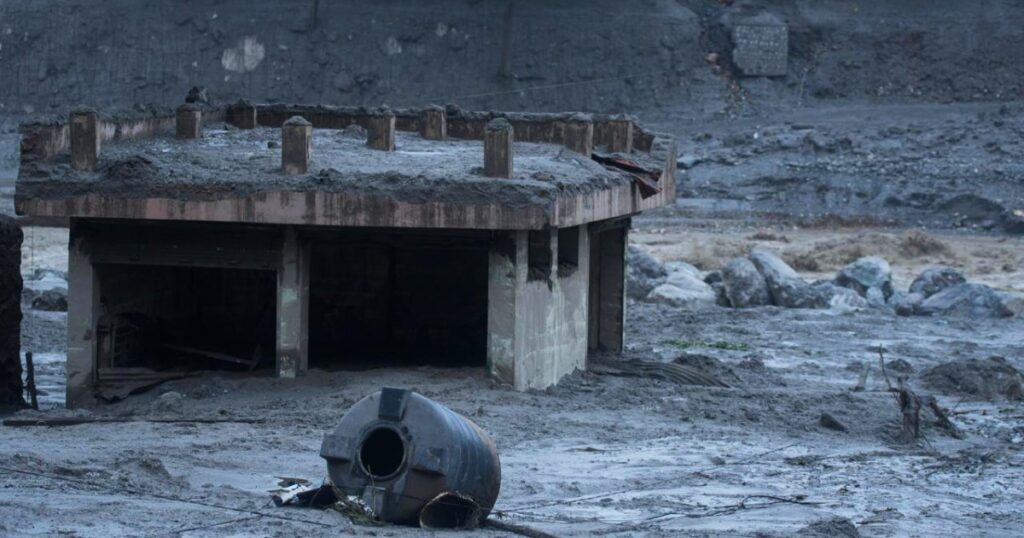
Nepal is currently grappling with the catastrophic aftermath of severe floods that have resulted in the deaths of approximately 180 people and have left around 1,400 individuals missing. The disaster, triggered by intense monsoon rains, has caused unprecedented destruction, sweeping away homes, roads, and bridges, and displacing thousands of families.
The government and rescue teams are actively engaged in search and rescue operations, but the scale of the calamity has overwhelmed local resources. Many communities remain cut off due to damaged infrastructure, hindering relief efforts and communication.
Families across the nation are frantically searching for their missing loved ones, some separated in the chaos. The emotional toll is immense, with survivors grappling with loss, uncertainty, and the daunting task of rebuilding their lives.
Authorities have warned that the death toll and the number of missing persons are expected to rise significantly as rescue operations continue and as floodwaters recede, revealing more damage.
The international community has responded with offers of aid and assistance to Nepal. Several organizations are mobilizing resources to provide emergency relief, including food, medical supplies, and temporary shelter for those displaced.
Experts attribute the severity of the floods to a combination of heavy rainfall and the country’s vulnerable topography. Climate change is also being discussed as a contributing factor, with shifting weather patterns causing more intense monsoon seasons.
Nepal’s Prime Minister has called for national solidarity and support for affected areas and vows to allocate necessary resources for recovery and rebuilding efforts.
The devastating floods underscore the urgent need for improved disaster preparedness and infrastructure resilience in Nepal. There are calls for investment in better early warning systems and sustainable environmental management to mitigate future disasters.
As families mourn and search for their loved ones, the nation faces a long road toward recovery. The tragedy is a stark reminder of the challenges posed by natural disasters in the region and the critical importance of coordinated relief and preparedness strategies.