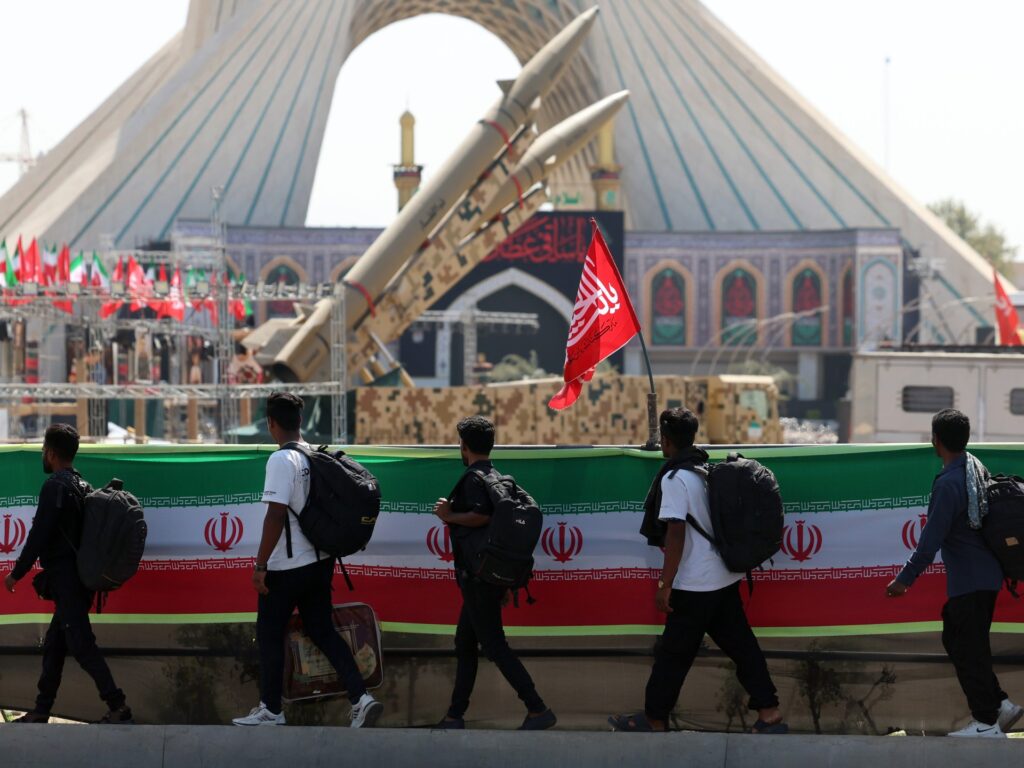
In a recent development concerning the conflict in the region, Iran’s President Pezeshkian has called for a strong sense of unity among Muslim nations. This appeal comes at a time when tensions in the Middle East are escalating, prompting concerns from various global stakeholders. President Pezeshkian emphasized the importance of solidarity and cooperation among Muslim countries to address and potentially resolve the ongoing conflicts that threaten peace and stability.
In a related diplomatic effort, Qatar’s Prime Minister is scheduled to meet with Iranian officials to discuss strategies aimed at de-escalating the mounting tensions in the region. According to Qatar’s foreign ministry, this meeting is a significant step towards fostering dialogue and diplomatic resolution, potentially paving the way for a reduction in hostilities.
These developments highlight an active approach by regional leaders to seek peaceful solutions through dialogue and unity. The emphasis on Muslim nations coming together signals a strategic move to consolidate influence and mediate conflicts more effectively.
The region has been experiencing a series of confrontations that have drawn international attention. The calls for unity and diplomatic engagement underscore the urgency to avoid further escalation and the devastating consequences that could follow.
Experts believe that the involvement of Qatar, a country known for its diplomatic engagements, could play a crucial role in bridging gaps between conflicting parties. The dialogue between Qatar’s Prime Minister and Iranian officials is anticipated to address core issues, aiming to lay a groundwork for peace and mutual understanding.
President Pezeshkian’s call for Muslim nations’ unity is rooted in the belief that collective action and shared values could serve as the foundation for resolving conflicts. His message resonates with a broader desire among many nations in the area to restore stability.
The international community watches keenly as these diplomatic efforts unfold, hoping that they will lead to sustainable peace. The collaboration between Iran and Qatar could be a significant factor in shaping the future dynamics of the Middle East.
As leaders prepare for the upcoming discussions, the world remains alert to the potential shifts in regional alliances and the impact these might have on global geopolitics. The emphasis on unity and diplomacy suggests a preference for negotiation over confrontation.
This situation reflects the complex interplay of political, religious, and social factors influencing the Middle East, where peace remains an elusive goal for many years. However, the current initiatives provide a beacon of hope.
Observers note that sustained dialogue, underpinned by mutual respect and understanding, could open pathways to resolving long-standing disputes. The role of intermediary nations like Qatar is seen as pivotal.
The unity called for by President Pezeshkian is not only a call for peace but also an appeal to strengthen cultural and religious bonds that have historically united Muslim nations.
Moving forward, the success of these diplomatic talks will depend on the willingness of all involved parties to compromise and prioritize peace over political gains. The coming weeks will be critical in determining the trajectory of this unfolding story.
Overall, the current dialogue and calls for unity mark a significant moment in the region’s ongoing efforts to find peace amid conflict. The world hopes these efforts bear fruit, fostering a new era of cooperation and stability.