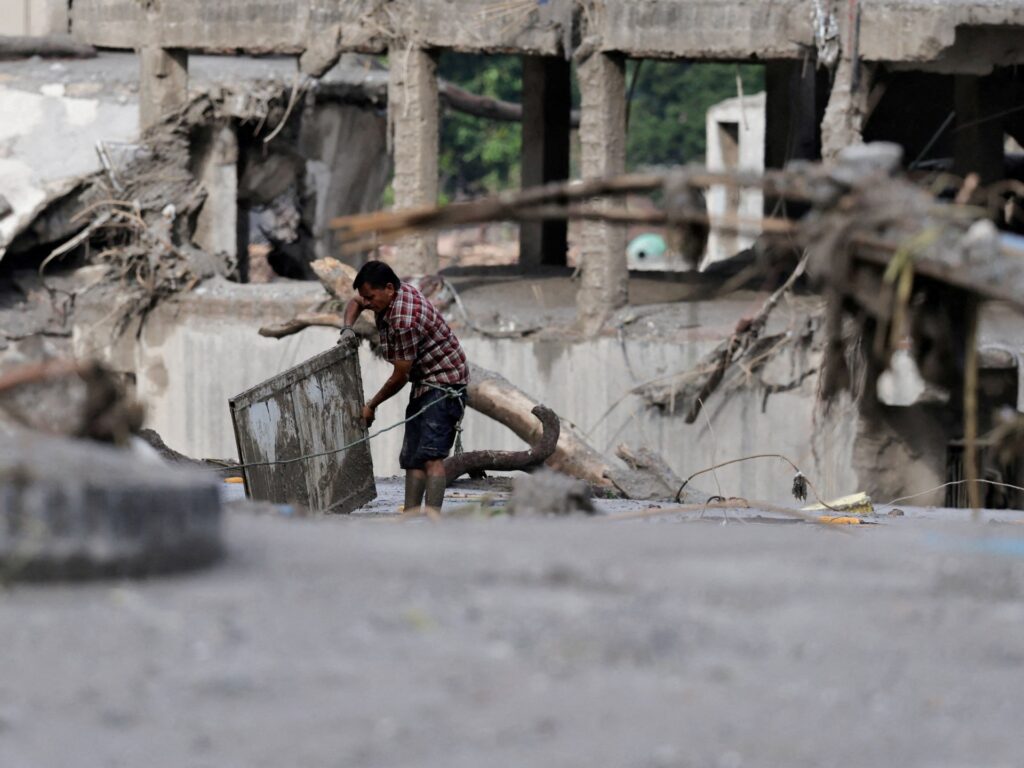
A catastrophic natural disaster has struck the Himalayan region, causing massive devastation and leaving more than 1,300 people missing in Nepal and China. The disaster, triggered by a massive flood, has already claimed the lives of at least 165 individuals, with officials warning that the death toll is expected to rise as rescue and recovery operations continue.
The flood swept through the Himalayan valleys, destroying homes, infrastructure, and vital roadways, making it challenging for rescue teams to reach affected areas. This sudden calamity has displaced countless families, forcing them to seek shelter and assistance from relief agencies.
In Nepal, the flood caused severe damage in several districts, where numerous villages were inundated. Efforts are underway to provide emergency aid, including food, water, and medical supplies to survivors. Helicopters and ground teams are actively searching for missing persons amidst the debris and floodwaters.
Similarly, the affected regions in China have witnessed massive flooding, with authorities mobilizing significant resources to aid victims and contain the disaster’s aftermath. Coordination between local governments and international aid organizations is ongoing to facilitate rescue, relief, and rehabilitation efforts.
Meteorologists have cited intense monsoon rains contributing to the sudden rise in river levels, exacerbating the risk of floods in the region. Climate experts are urging for enhanced flood management systems and improved early warning mechanisms to minimize future impacts.
The Himalayan floods have brought attention to the vulnerabilities of this mountainous region, where communities are susceptible to natural disasters due to terrain and climatic factors. Government officials and disaster management agencies are pledging to strengthen infrastructure and emergency preparedness to better protect residents.
Meanwhile, the international community has responded with offers of assistance, recognizing the scale of the disaster and the critical needs of those affected. Relief organizations have set up coordinated efforts to deliver aid and support long-term recovery.
The priority remains to locate and rescue the missing individuals, provide relief to displaced families, and begin rebuilding the devastated communities. As the situation develops, updates will continue to be shared by officials and humanitarian groups working on the ground.
This tragic event is a stark reminder of the power of nature and the importance of preparedness in vulnerable regions. It calls for collective action to mitigate risks and enhance resilience against such devastating natural disasters in the future.