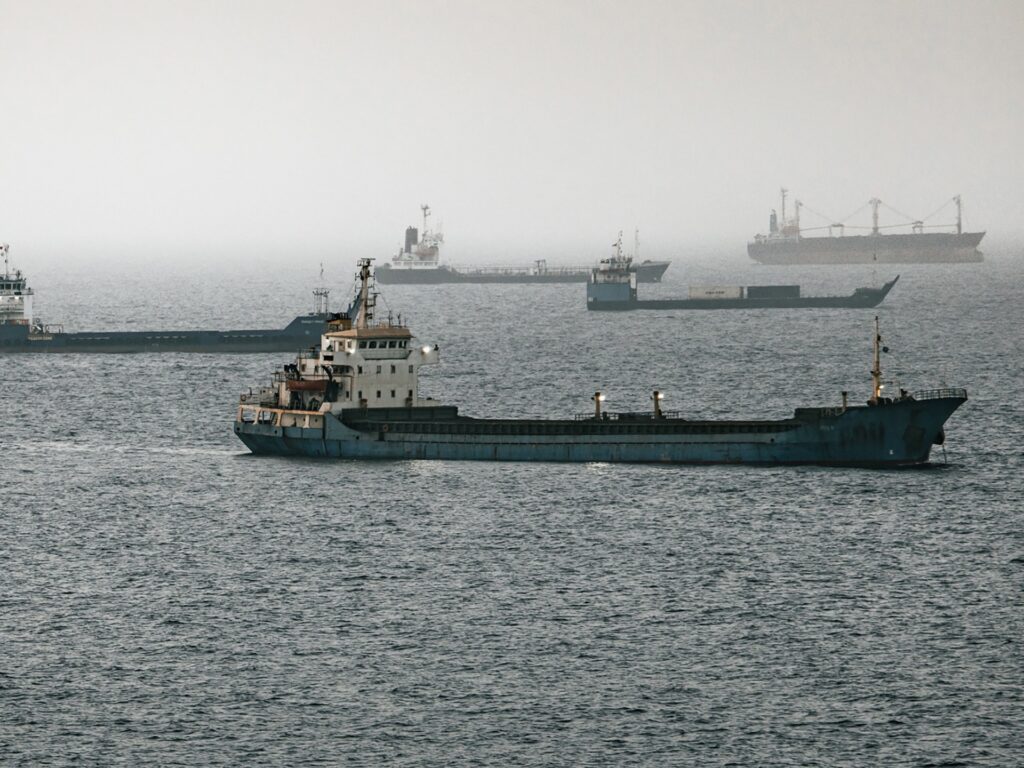
The Strait of Hormuz remains one of the most strategically important but highly risky maritime corridors in the world, despite recent claims by the United States that the waters have been cleared of naval mines. Analysts caution that mine clearance efforts alone are insufficient to ensure the safety of ships traversing this critical passage. The Strait of Hormuz serves as a vital artery for global oil shipments, with a significant portion of the world’s petroleum passing through its narrow waterways. This geographic importance has long made it a focal point for geopolitical tensions, particularly between the US and Iran, and a potential flashpoint for conflict.
The US has recently announced successful operations to detect and neutralize mines in the strait, suggesting that the threat to commercial shipping has been mitigated. However, experts argue that the presence or absence of mines is only one aspect of the region’s security challenges. Persistent risks include the potential for missile attacks, small boat harassment, and the broader threat of escalation in military tensions. These dangers are compounded by the complex political landscape, involving various regional actors with competing interests.
Furthermore, the narrowness of the Strait — just about 21 nautical miles wide at its narrowest point — restricts maneuverability for vessels. This makes any attack or incident particularly hazardous, with limited options for avoiding confrontation or navigating around threats. Analysts also highlight that mine clearance does not address ambiguous threats such as underwater drones, improvised explosive devices, or newer tactics which may be deployed without warning.
Historically, the Strait of Hormuz has witnessed several incidents — including seizures of vessels, missile strikes, and attacks on oil tankers — which underscore the long-term instability of the waterway. The US Navy’s mine-clearing achievements, while significant, represent only a partial solution. Maritime security experts stress the need for broader diplomatic engagement, enhanced surveillance, and multinational cooperation to address both conventional and unconventional threats.
In conclusion, while mine clearance reduces one specific hazard, the overall security environment in the Strait of Hormuz remains precarious. Ships operating in the area must continue to exercise extreme caution and engage in coordinated security measures. The broader geopolitical tensions and evolving methods of asymmetric warfare mean that the corridor remains high risk, underscoring the need for comprehensive strategies beyond mine clearance to ensure safe navigation for commercial and military vessels alike.