In the face of escalating economic sanctions imposed by the United States, Iranian authorities have underscored the importance of self-sufficiency as a core strategy to withstand external pressures. The sanctions, part of what Tehran describes as an economic war, aim to strain Iran’s economy and diminish its influence in the region. Iranian officials remain steadfast in their belief that the nation can endure these challenges, though they caution of a difficult year ahead.
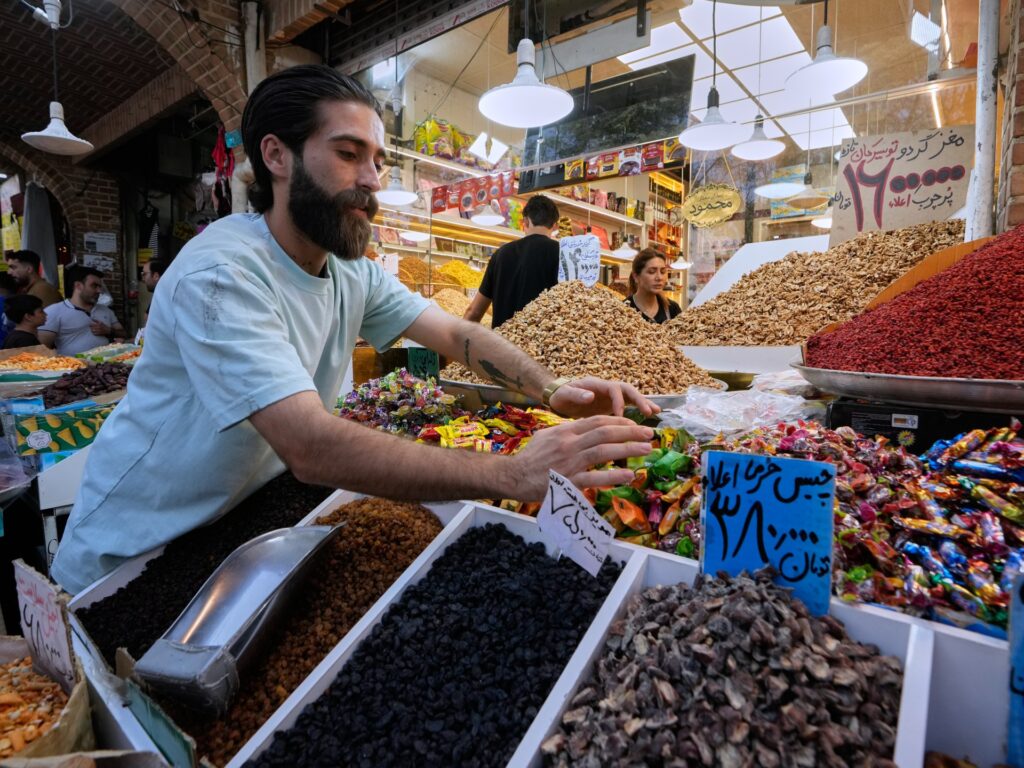
The Iranian government has taken several measures to bolster domestic production and reduce reliance on foreign goods. These include encouraging local industries, expanding agricultural output, and advancing technology sectors to support economic independence. Officials highlight these steps as crucial not only to counter the sanctions but also to build a more resilient economy in the long term.
Despite the optimism surrounding self-sufficiency efforts, Iranian leaders acknowledge the hardships the population will likely face. Inflation and shortages remain concerns, and authorities have called for national unity and perseverance to navigate the trying times. They stress that the economic war is not just a financial struggle but a battle for the country’s sovereignty and survival.
Internationally, Iran has sought to deepen economic ties with non-Western allies to counterbalance the impact of US restrictions. This includes increased trade and investment partnerships with countries in Asia, the Middle East, and beyond. These diplomatic maneuvers are part of a broader strategy to mitigate isolation and sustain economic activity amid sanctions.
Analysts observe that Iran’s emphasis on self-reliance aligns with a broader global trend where countries under sanction or facing geopolitical tensions aim to insulate themselves through domestic innovation and alternative trade routes. The success of Iran’s approach will depend on a complex mix of internal reforms, economic diversification, political stability, and external geopolitical developments.
As the year progresses, Iranian authorities maintain a cautious stance, preparing the population for challenges ahead while promoting optimism about the country’s capacity to thrive despite adverse conditions. The unfolding situation will be closely watched by observers interested in the dynamics of economic resilience and resistance in the context of international sanctions.