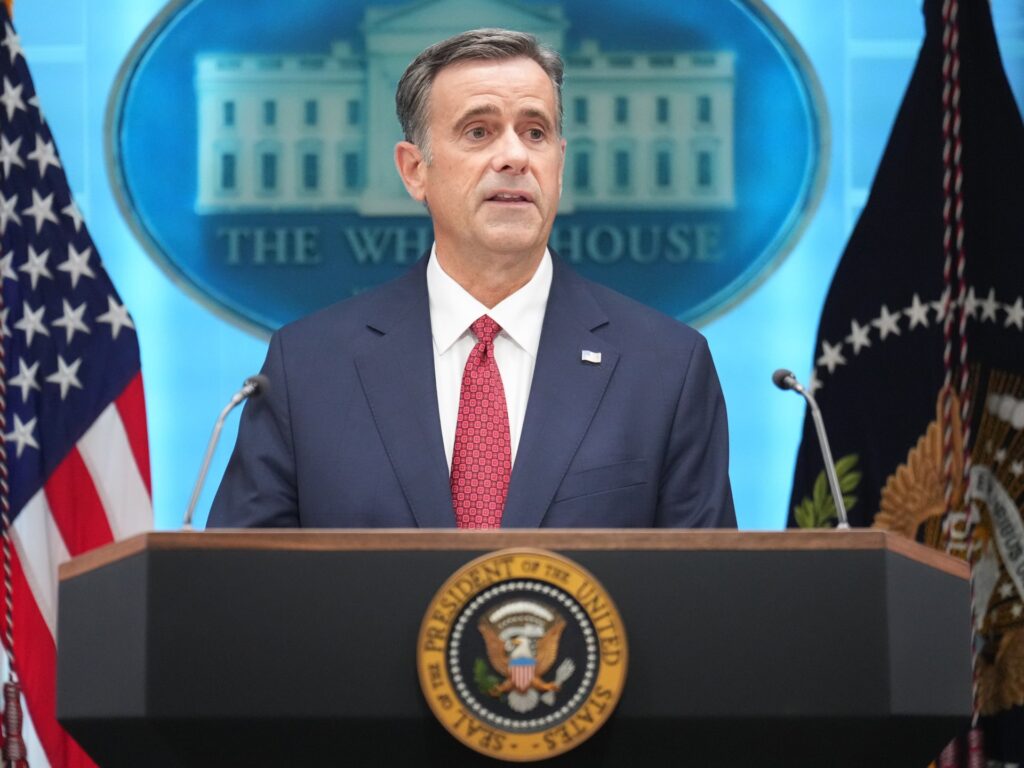
In a notable development amidst ongoing geopolitical tensions, the head of the CIA, referred to in some reports as Ratcliffe, has recently engaged in discussions with Russian intelligence officials in Moscow. However, it is confirmed that he did not meet with Russian President Vladimir Putin during this visit.
The meetings between the CIA chief and the Russian intelligence community are significant, given the historically complex relationship between the two nations’ spy agencies. These talks, described by the Kremlin as ‘positive,’ suggest a willingness to maintain, if not improve, lines of communication despite broader areas of contention.
Details released by the Kremlin emphasize that the discussions focused on common interests in intelligence sharing and possibly counterterrorism efforts, although exact topics remain undisclosed. The fact that these talks occurred signals a pragmatic approach by Russian authorities to engage with U.S. intelligence leadership directly.
The Kremlin’s characterization of the meetings as positive could indicate progress in managing the sometimes turbulent intelligence relationship and potentially averting misunderstandings that could escalate tensions. This stance might also reflect Russia’s interest in negotiating or stabilizing an often fraught aspect of bilateral relations.
While the CIA chief’s meeting with Russian intelligence officials is a step toward dialogue, the absence of a meeting with President Putin underscores that such interactions remain compartmentalized. High-level summits or direct talks with the president have not been forthcoming, possibly highlighting limits to the engagement at the diplomatic or political level.
Observers note that intelligence talks between rival nations, such as the U.S. and Russia, serve critical functions beyond immediate diplomacy. They allow for mutual understanding of capabilities, intentions, and concerns which can reduce risks of inadvertent conflicts or miscalculations.
The news comes at a time when U.S.-Russia relations have been strained over various geopolitical issues, including conflicts, sanctions, and cyber security concerns. Amid such challenges, intelligence cooperation or at least communication channels remain vital.
Experts suggest that maintaining these dialogues might pave the way for more structured engagement in the future, potentially expanding into broader diplomatic exchanges. However, skepticism remains about the depth and durability of any thaw in relations given the underlying strategic competition.
In summary, the CIA chief’s meeting with Russian intelligence officials marks a notable episode in U.S.-Russia interactions, characterized by constructive engagement on specific intelligence matters but without direct involvement of the highest political leadership. The Kremlin’s positive assessment offers a cautiously optimistic signal, but the broader context of complex bilateral relations continues to prevail.