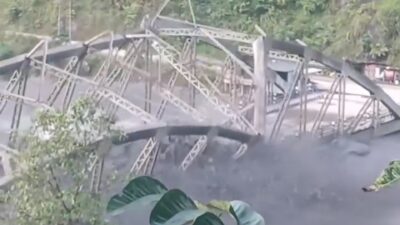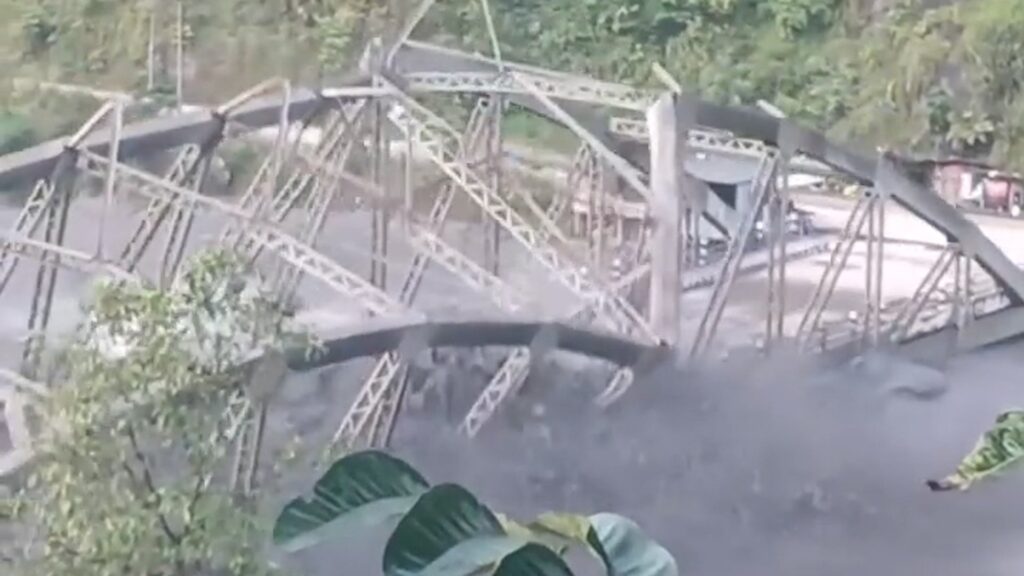
Nepal is currently grappling with the destructive aftermath of flash floods along the Budhi Gandaki River. Intense torrents of water, caused by sudden and heavy rainfall, have overwhelmed the riverbanks, resulting in catastrophic damage to infrastructure and homes in the region. One of the most significant impacts has been the complete destruction of a vital bridge, which was washed away by the forceful currents, severing a crucial connection for many residents.
The floods have forced numerous families to abandon their homes and seek refuge on higher ground, as the rapidly rising water levels posed an immediate threat to their safety. Emergency services and local authorities are actively involved in relief operations, working to evacuate those in danger and provide temporary shelter for displaced populations.
The Budhi Gandaki River, known for its strong currents during the monsoon season, swelled dramatically due to recent weather patterns. Meteorologists warn that such extreme weather events might become more frequent amidst changing climate conditions, emphasizing the need for improved disaster preparedness and resilient infrastructure.
Residents affected by these flash floods are facing significant challenges, including loss of property, disruption to transportation, and limited access to essential services. The washed-away bridge not only isolated communities but also hindered the movement of relief materials and medical aid, complicating rescue efforts.
Local government officials have called for immediate assistance from national and international organizations to support ongoing relief and recovery efforts. Reconstruction of damaged infrastructure, particularly the critical bridge, is a priority to restore connectivity and normalcy to the region.
Environmental experts highlight that the degradation of natural buffers, such as forests and wetlands upstream, may exacerbate the impact of future floods. Reforestation and sustainable land management are recommended as part of long-term strategies to mitigate disaster risks.
The current situation serves as a stark reminder of the vulnerability of mountainous and riverine communities to natural disasters. As the people of Nepal confront these challenges, there is a collective call for stronger infrastructure, better early warning systems, and more robust emergency response mechanisms to safeguard lives and livelihoods.
In summary, the flash floods along Nepal’s Budhi Gandaki River have caused significant devastation, including washing away a bridge and many homes. Immediate relief efforts are underway, but the path to recovery will require coordinated support, infrastructure rebuilding, and sustainable environmental practices to prevent similar tragedies in the future.