In a significant development that has captured international attention, Israel has intensified its campaign against the United Nations Relief and Works Agency for Palestine Refugees in the Near East (UNRWA). This move is widely viewed by analysts as part of a broader strategic effort to undermine refugee rights and accelerate the annexation of the West Bank.
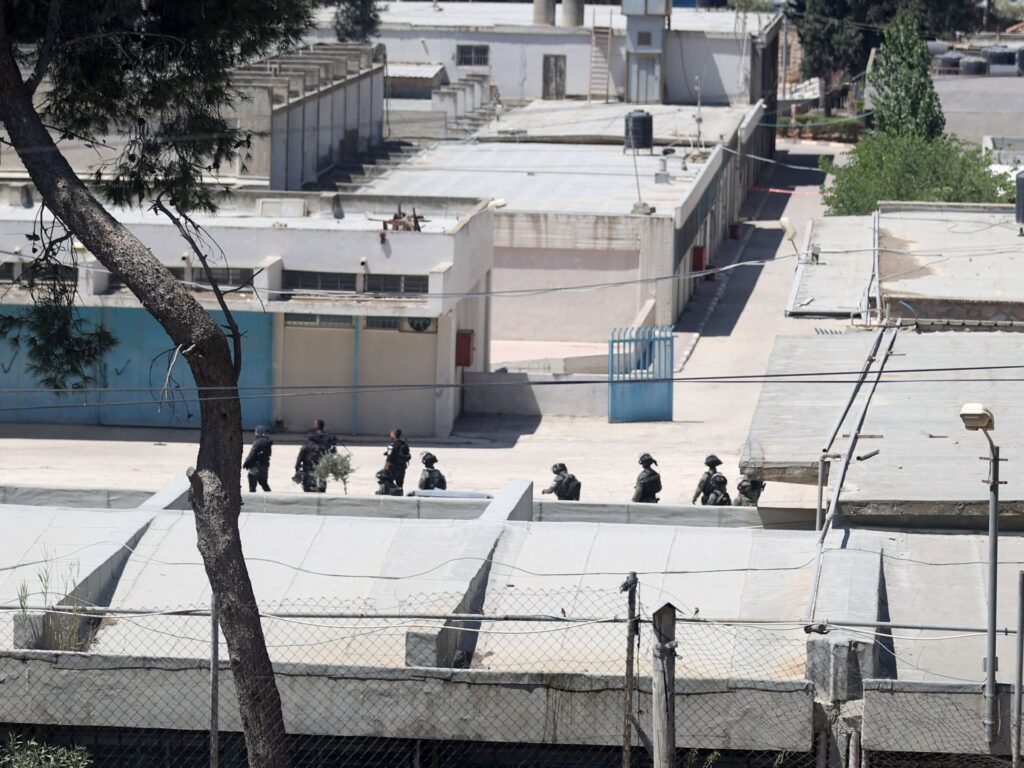
The campaign reached a critical point recently when Israeli forces conducted a raid on a UNRWA center, an action that has sparked widespread condemnation and concern from global observers. The raid is seen not merely as an isolated security operation but as a calculated measure to weaken the institutional support system for Palestinian refugees.
UNRWA, established in 1949, has been a lifeline for millions of Palestinian refugees by providing education, health care, and social services. The agency’s role is pivotal in maintaining the dignity and rights of the refugee population amidst one of the world’s longest-standing conflicts.
Analysts argue that by targeting UNRWA, Israel aims to erode the foundations that uphold Palestinian refugee identity and rights. This, in turn, aligns with a larger political objective: the formal annexation of parts of the West Bank. Annexation would further complicate the already fragile peace process and diminish the prospects for a two-state solution.
The raid and the ongoing campaign have drawn sharp criticism from international bodies, including the United Nations, which has reiterated the necessity of protecting humanitarian institutions like UNRWA. Human rights organizations have also decried the actions as violations of international law and detrimental to peace efforts.
Moreover, the Israeli government’s narrative justifying these actions often centers on security concerns, alleging that UNRWA sites have been used for militant activities. However, many observers contend that these claims are exaggerated to justify aggressive policies that seek to change the geopolitical landscape of the West Bank.
The Palestinian leadership has condemned the raid and the broader campaign, viewing it as an existential threat to Palestinian rights and a violation of international norms. There are fears that continued pressure on UNRWA will lead to a humanitarian crisis affecting hundreds of thousands of refugees.
This campaign also highlights the complex interplay between domestic Israeli politics and broader regional dynamics. With rising nationalist sentiments and political shifts within Israel, actions against UNRWA can be interpreted as part of a strategic direction to consolidate control over contested territories.
International diplomatic efforts to address the situation remain ongoing but face significant challenges. The United States and European Union have expressed concern but have stopped short of strong condemnations or concrete measures against Israeli policies.
In summary, the intensification of Israel’s campaign against UNRWA signals a pronounced shift in the dynamics of the Israeli-Palestinian conflict. By undermining refugee rights and pushing forward with annexation plans, Israel is reshaping the future of the West Bank and the prospects for peace.
As the situation evolves, the international community’s response will be crucial in determining whether humanitarian protections can be upheld and whether a peaceful resolution can still be envisioned amidst increasing tensions.