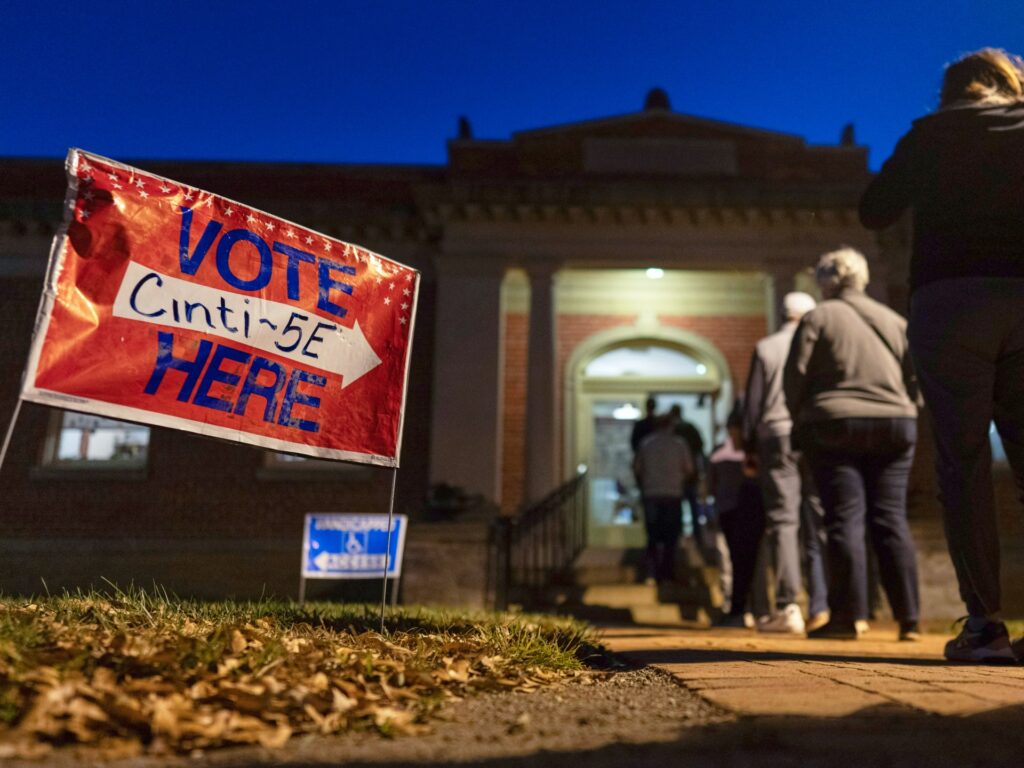
A US judge has recently blocked a new Ohio law that required voters to provide proof of citizenship when registering to vote. The law, amended by state Republicans, was intended to address concerns about voting by noncitizens, though these claims have largely been unproven. The judge’s decision highlights ongoing tensions between efforts to strengthen voting rules and concerns over voter suppression.
The amended Ohio law mandated that individuals show documentary evidence of citizenship to be eligible to register to vote. Proponents of the law argued that it was necessary to protect the integrity of elections and prevent potential fraud. State Republicans championed the legislation as a measure to ensure only eligible citizens participate in voting.
However, critics have contended that the requirement could disenfranchise eligible voters, especially those who may have difficulty obtaining citizenship documents. Voting rights advocates argue that there is little evidence of widespread voting by noncitizens and that such laws pose barriers to participation.
The federal judge ruling against the law emphasized the potential harm to voters who could be wrongly denied registration. The decision prevents Ohio from enforcing the proof of citizenship requirement while legal challenges proceed.
This case reflects broader national debates about election security and voting rights. Several states have introduced similar laws aimed at tightening voter registration. Supporters say these laws are necessary to uphold election integrity. Opponents say they lead to unnecessary obstacles and can disproportionately affect minority and low-income voters.
Ohio’s attempt to enforce proof of citizenship emerged amidst heightened scrutiny of election processes nationwide. Allegations of voter fraud have been a contentious political topic in recent years despite limited evidence.
The judge’s ruling is seen as a win for civil rights groups who have litigated against measures they view as suppressive. They maintain that protecting access to the ballot box is fundamental to democracy.
State officials have indicated plans to appeal the decision. The legal battle will likely continue to unfold, raising critical questions about the balance between preventing fraud and ensuring broad voter participation.
In the meantime, Ohio residents will not be required to show citizenship documentation to register to vote. The ruling underscores the judiciary’s role in scrutinizing election laws that could impact voting rights.
This controversy illustrates the complexity and sensitivity surrounding election laws in the United States. Ensuring voter access while safeguarding electoral integrity remains a challenging issue for policymakers, courts, and the public alike.