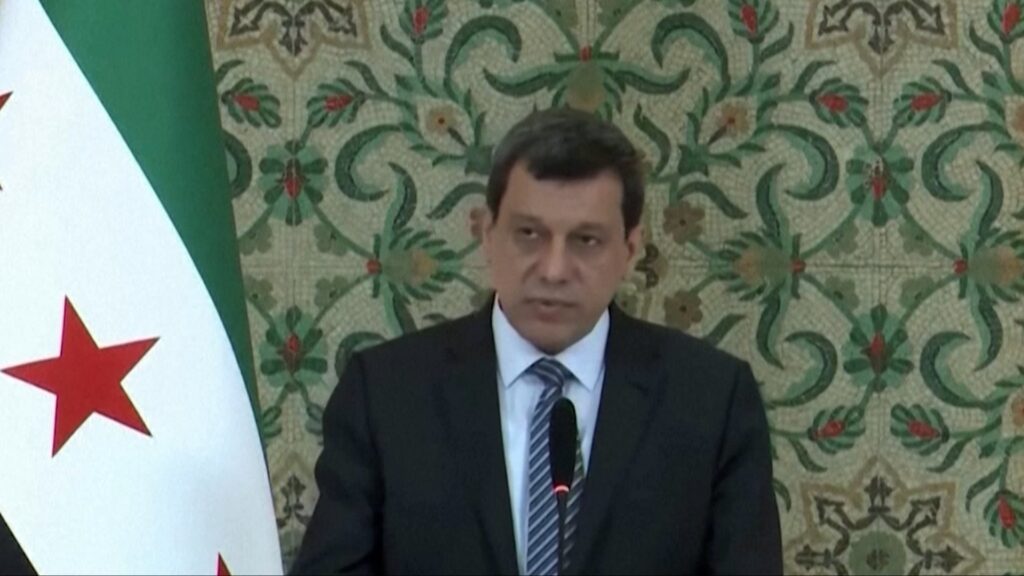
In a significant development in the ongoing Syrian conflict, the Kurdish-led Syrian Democratic Forces (SDF) have announced their decision to dissolve as an independent military force. This move comes as part of a new agreement reached with the Syrian government based in Damascus.
Formed in 2015, the Syrian Democratic Forces emerged as a key military coalition primarily composed of Kurdish fighters from the People’s Protection Units (YPG) and allied Arab and minority militias. Over the years, the SDF has been a crucial partner to the United States and its allies in the fight against ISIS, establishing control over large parts of northeastern Syria.
However, the geopolitical landscape in Syria has been complex and fluid, with shifting alliances and ongoing tensions between the Syrian government, Kurdish groups, Turkey, and other international actors. The decision by the SDF to dissolve signals a major shift in the region’s power dynamics.
Under the terms of the new agreement, the SDF will end its status as an autonomous military entity. This transition suggests a re-integration of Kurdish-led forces under the command of the Syrian government. The details of the deal include the collaboration of the former SDF units with government forces, promising greater stability but also raising questions about the future of Kurdish autonomy.
The dissolution of the SDF as an independent force could have profound implications for the Kurdish population in Syria. For years, the SDF maintained a degree of self-governance in areas under its control, promoting a model based on decentralized democracy and ethnic pluralism. This framework has been a hallmark of the so-called Autonomous Administration of North and East Syria.
Critics and observers express concern that integration into the Syrian government’s military structure might reduce the current socio-political freedoms enjoyed in Kurdish-controlled areas. The Syrian government, led by President Bashar al-Assad, has historically been opposed to Kurdish aspirations for autonomy, making this agreement a delicate balancing act.
The announcement was met with mixed reactions from regional actors. Turkey, which considers the SDF a terrorist organization due to its links with the Kurdistan Workers’ Party (PKK), welcomed the dissolution, viewing it as a positive step towards addressing its security concerns along the border.
Meanwhile, international stakeholders such as the United States and Russia have also weighed in. The US, a former key supporter of the SDF in the anti-ISIS campaign, has called for peace and stability in Syria but expressed caution about the ramifications for the Kurdish fighters who assisted their efforts. Russia sees the move as favorable for Syrian sovereignty and territorial integrity.
The future of northeastern Syria remains uncertain as this transition unfolds. Humanitarian groups highlight the importance of safeguarding civilian rights and maintaining humanitarian aid access during the integration process.
This landmark agreement could pave the way for a new phase in Syria’s protracted civil war, potentially opening avenues for broader reconciliation within the country. However, significant challenges remain, including ensuring the protection of minority communities and addressing the demands for political representation.
In summary, the dissolution of the Syrian Democratic Forces as an independent entity marks a pivotal moment in Syria’s ongoing conflict. It reflects both the complexities of Syrian regional politics and the evolving relationships among Kurdish groups, the Syrian government, and international actors. The coming months will be critical in determining how this new arrangement shapes the future of Syria’s territorial stability and the rights of its diverse populations.