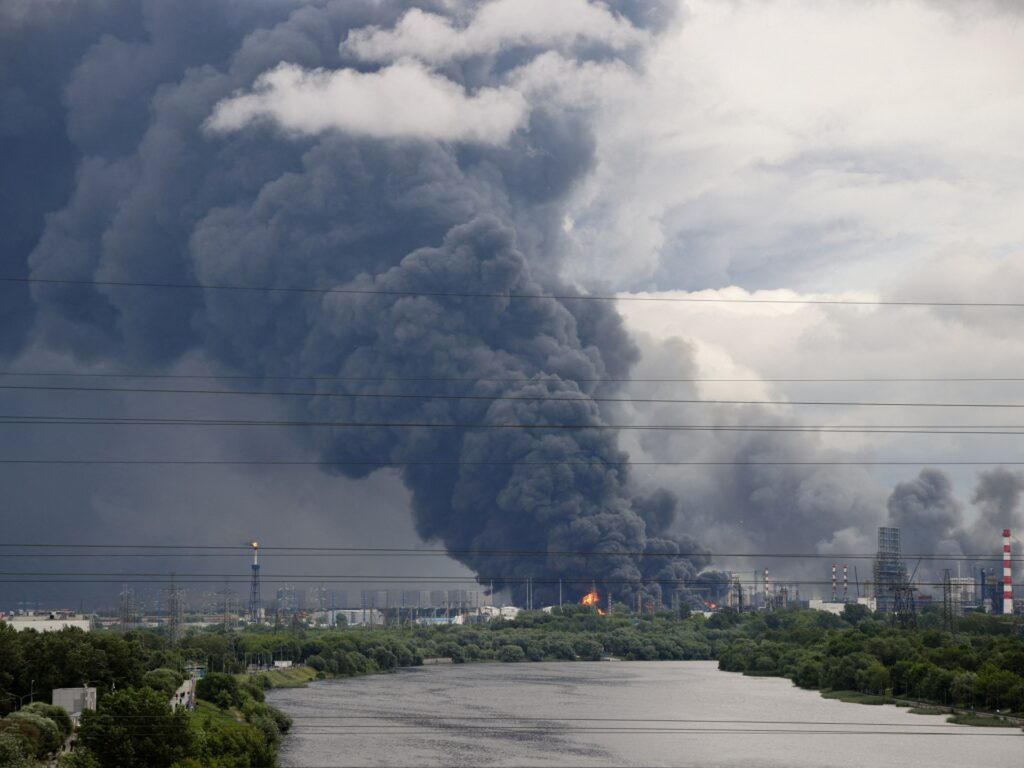
In a recent escalation of conflict, Ukraine launched drone attacks targeting Russia’s energy infrastructure, specifically hitting the Afipsky oil refinery and a gas plant located in Krasnodar. These attacks have caused significant damage to the critical facilities and resulted in a fire at the oil refinery. Tragically, two people lost their lives in the incident.
The Afipsky oil refinery is a vital part of Russia’s energy supply chain, contributing significantly to the local and national economy. The refinery processes crude oil and supplies fuel and other petroleum products to various regions. The gas plant, which was also targeted, plays a key role in the processing and distribution of natural gas.
The coordinated drone strikes signify a new phase in the ongoing conflict, with an emphasis on disrupting energy infrastructure which has far-reaching economic and strategic implications. These attacks highlight the increasing use of drones in modern warfare, capable of striking deep into enemy territory with precision.
Following the attack, emergency responders rushed to the scene to control the fire and prevent further damage. The blaze at the refinery posed a significant challenge due to the flammable nature of the materials involved. Firefighters and safety personnel worked tirelessly to contain the fire and secure the area.
Russian officials condemned the strike as a deliberate act of aggression targeting civilian industrial infrastructure. They vowed to increase security measures and retaliate against further attacks. Meanwhile, Ukrainian authorities framed the operation as a necessary step to weaken Russia’s military capabilities, emphasizing the refinery’s role in fueling Russia’s war efforts.
This incident adds to a series of recent attacks aimed at crippling Russia’s energy sector, which is crucial for funding and sustaining its military operations. Disrupting oil and gas facilities not only impacts economic stability but also the energy supply for both domestic consumption and export.
Experts suggest that such attacks could have long-term effects on Russia’s energy production and global energy markets. The fire and damage at the Afipsky refinery might lead to temporary or prolonged shutdowns, exacerbating supply constraints. Moreover, the safety and security of energy infrastructure have become a top priority for nations involved in the conflict.
The use of drones in this manner is seen as a strategic evolution, providing a relatively low-cost and effective way to strike high-value targets. Both sides are likely to continue exploiting this technology, which may lead to an intensification of attacks on critical infrastructure.
On the diplomatic front, the attacks complicate efforts to negotiate peace and increase tensions between the involved parties. The international community has expressed concern over the escalation and the potential humanitarian consequences of targeting vital industrial facilities.
In summary, the drone attack on Russia’s Afipsky oil refinery and gas plant in Krasnodar has resulted in two fatalities and a significant fire, underscoring the vulnerability of energy infrastructure in conflict zones. The event marks a notable development in the Ukraine-Russia conflict, highlighting the strategic importance of energy assets and the evolving nature of warfare involving drone technology.