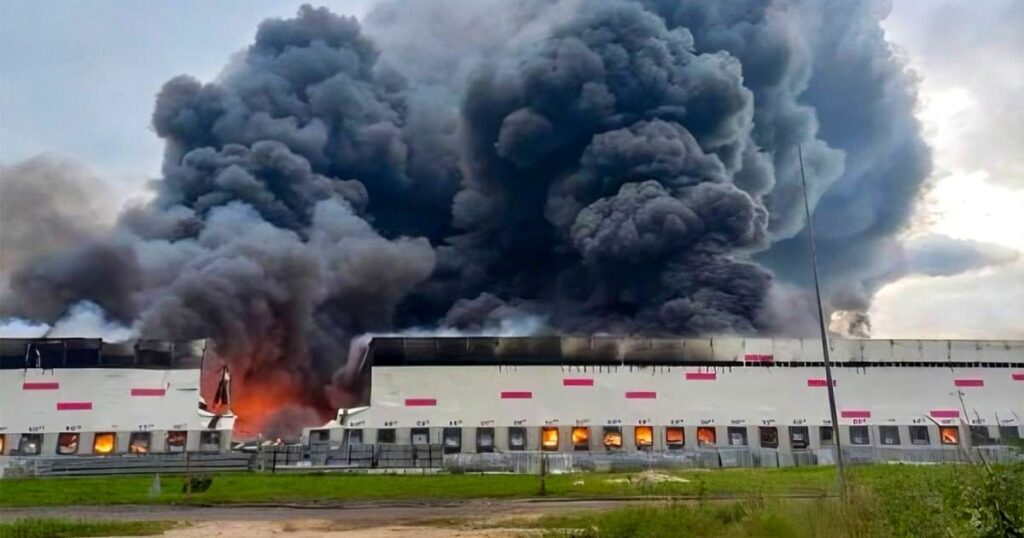
As the relentless Ukrainian barrage continues, Russia has announced plans to seize control of key infrastructure facilities that are deemed inadequately protected or too slow to repair damage caused by attacks. The decision comes amidst escalating tensions and sustained military pressure, with the Kremlin signaling a stricter approach toward managing critical infrastructure.
Authorities have warned owners of various infrastructure sites that failure to promptly address repair needs after damage will result in the loss of control over these facilities. The move reflects Moscow’s growing concern over vulnerabilities exposed by ongoing strikes, emphasizing the need for enhanced protection and rapid recovery measures.
The policy aims to ensure that essential services and infrastructure remain operational despite the ongoing conflict, especially as damage to energy grids, communication networks, and transportation hubs has raised concerns about civilian and military readiness. Regulatory bodies will conduct assessments to determine if current owners meet the criteria for timely and effective repairs.
Sources indicate that this seizure mechanism is part of a broader strategy to consolidate control over strategic assets and prevent disruptions that could jeopardize national security. Experts note that such authoritative interventions signal the Kremlin’s prioritization of infrastructure resilience against continued Ukrainian offensive operations.
The decision has drawn criticism from some quarters, particularly from private sector entities worried about the implications for property rights and operational autonomy. However, Russian officials maintain that temporary state oversight is necessary under extraordinary wartime conditions.
In recent weeks, Ukraine has increased the frequency and intensity of its strikes on Russian infrastructure, targeting energy supplies, communication lines, and transportation arteries. These efforts aim to disrupt Russian military logistics and civilian services, thereby applying pressure on Moscow to reconsider its military engagements.
Analysts suggest that the seizure policy not only represents a response to material damage but also serves as a psychological tactic designed to demonstrate Moscow’s resolve and deter any complacency among infrastructure owners.
Moving forward, infrastructure managers within Russia are expected to accelerate repair operations and invest more heavily in protective measures to avoid governmental takeovers. This shift may lead to increased government involvement in the infrastructure sector, potentially reshaping the dynamics of management and ownership.
The situation remains fluid, with the potential for further directives from Russian authorities as the conflict evolves. The intersection of military strategy and infrastructure management underscores the complex challenges faced by both states engaged in this prolonged hostilities.
As the conflict persists, the importance of safeguarding critical infrastructure highlights the broader stakes of the war, affecting not only military outcomes but also civilian life and economic stability within the region.