The ongoing Ebola outbreak in the Democratic Republic of the Congo (DR Congo) is marked by a grim statistic: nearly one in two people infected with the virus are succumbing to the disease. Government figures reveal a high fatality rate that underscores the severity of the epidemic.
Ebola, a virulent hemorrhagic fever caused by the Ebola virus, spreads through direct contact with bodily fluids of infected individuals or contaminated materials. The virus leads to severe symptoms including fever, vomiting, diarrhea, and internal bleeding, often culminating in death.
The current outbreak in DR Congo has been challenging to contain due to various factors including the remote geography of affected regions, limited health infrastructure, and ongoing conflicts that hamper response efforts.
According to official data, almost half of the diagnosed Ebola patients have died, which reflects the virus’s deadly nature and the critical need for effective medical interventions. Health authorities and international organizations are working tirelessly to provide treatment, improve surveillance, and implement vaccination campaigns.
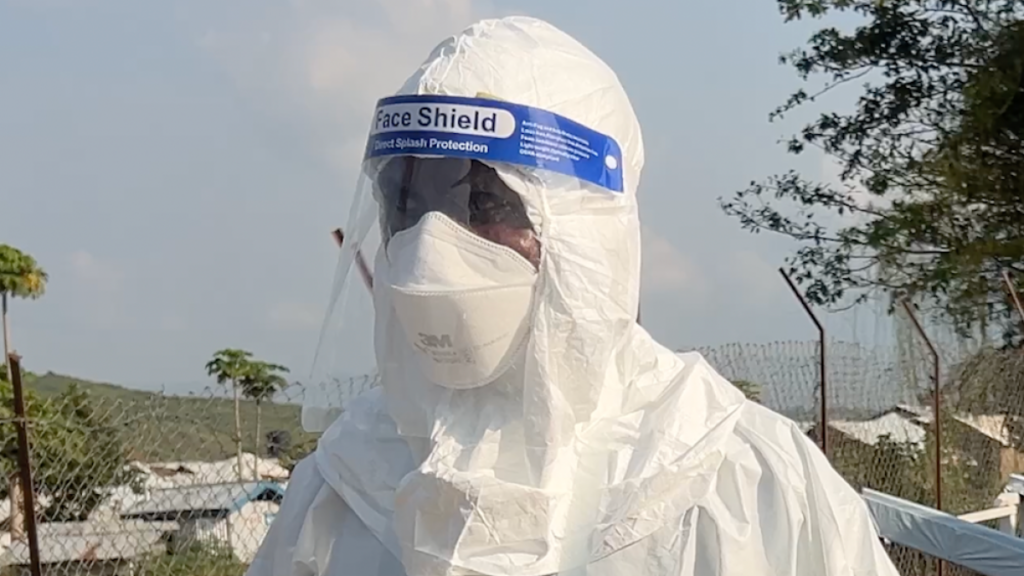
Efforts to reduce the death toll focus on early detection, prompt isolation, and supportive care, which includes hydration, electrolyte balance, and treatment of secondary infections. Experimental treatments and vaccines have shown promise and are being deployed, but challenges remain in access and distribution in remote areas.
The outbreak highlights the urgent need for strengthening healthcare systems in vulnerable regions, enhancing community engagement to improve awareness and acceptance of control measures, and ensuring rapid deployment of resources.
Public health officials warn that without sustained and coordinated efforts, the toll from Ebola could worsen, threatening regional stability and global health security. The situation calls for comprehensive strategies combining medical, social, and political interventions to curb the outbreak and save lives.
The DR Congo government, supported by the World Health Organization and other partners, continues to monitor the situation closely, aiming to bring the epidemic under control. The high mortality rate serves as a stark reminder of the deadly impact of Ebola and the critical importance of global solidarity and rapid response in facing infectious disease threats.