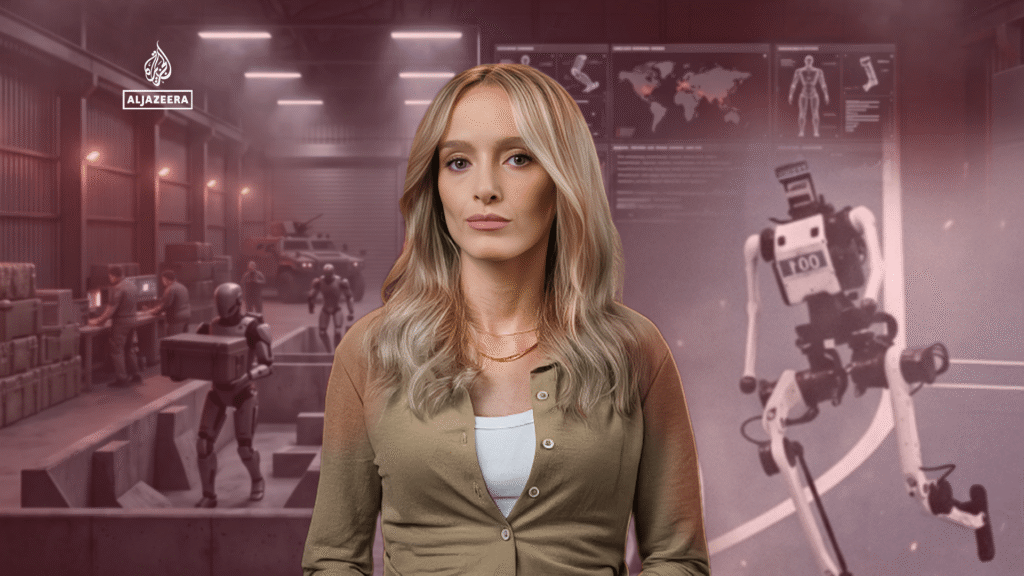
Humanoid robots are rapidly advancing, breaking records in sports and being increasingly developed for military applications. These robots, designed to mimic human form and capabilities, represent a significant shift in both technological achievement and warfare strategy.
In the realm of sports, humanoid robots have demonstrated extraordinary agility, speed, and precision, surpassing many human limitations. This progress highlights their potential for complex tasks and versatile movement, making them ideal candidates for deployment in varied environments.
The military’s interest in humanoid robots stems from their adaptability and ability to perform tasks traditionally carried out by soldiers. These robots can navigate diverse terrains, handle equipment, and engage in reconnaissance missions without risking human lives. Their humanoid structure allows them to operate vehicles, use weapons, and interact with the environment in a way that non-humanoid machines cannot.
Several defense organizations worldwide are investing heavily in humanoid robot technology. Trials are underway to integrate these robots into combat scenarios, with the aim of enhancing operational capabilities and reducing soldier casualties. The robots’ potential to work alongside human troops as force multipliers presents tactical advantages, including increased precision and endurance.
However, the deployment of humanoid robots in warfare raises ethical, legal, and security concerns. Issues such as the decision-making autonomy of robots, accountability in combat situations, and the potential for malfunctions or hacking pose significant risks. International regulations governing the use of autonomous weapons are still evolving, and the integration of humanoid robots complicates existing frameworks.
Technological challenges also remain. Developing robots that can withstand the harsh and unpredictable conditions of battlefields, sustain prolonged operations, and process complex human-like decision-making is an ongoing endeavor. Battery life, sensor accuracy, and AI sophistication continue to be areas of intense research.
Despite these challenges, the trend toward humanoid robots in warfare is clear. Their development is driven by the dual need to enhance combat effectiveness and safeguard human soldiers from harm. As these robots become more capable, they could transform military operations by performing dangerous tasks, providing logistical support, and even undertaking strategic roles.
The future of warfare could be significantly shaped by humanoid robots, blending human ingenuity with robotic precision. While they will not replace soldiers entirely in the near term, they are set to become crucial components of modern armed forces. The ongoing experimentation and record-breaking performances in robotics sports underscore the rapid pace of this evolution.
In conclusion, humanoid robots embody a promising yet complex frontier in military technology. Their successful integration into combat forces depends not only on technological advancement but also on careful consideration of ethical and regulatory challenges. As nations continue to invest, humanoid robots may well become indispensable assets on future battlefields, changing the face of warfare forever.