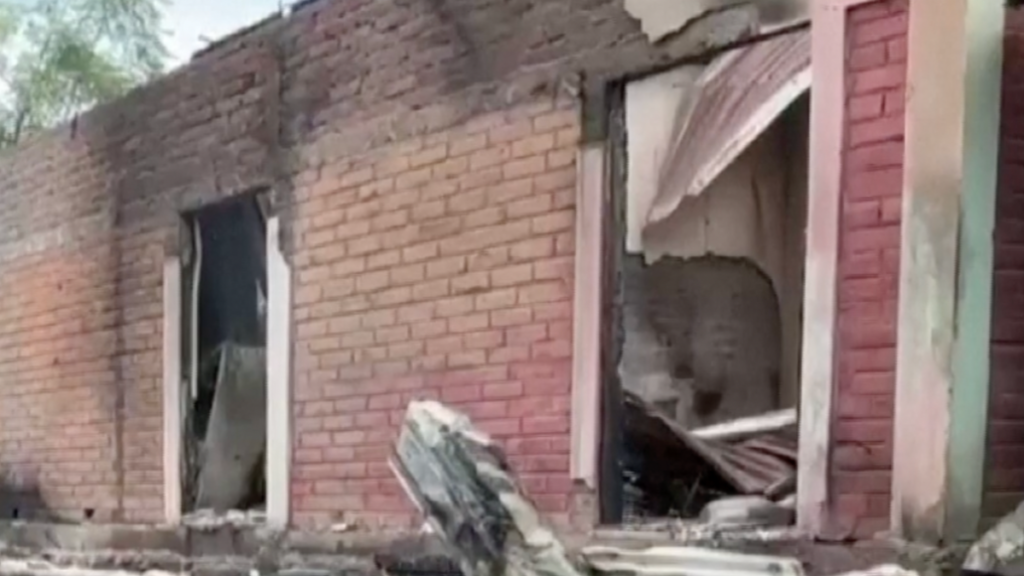
Fresh violence has erupted in the Indian state of Manipur, leading to several houses being set on fire amid clashes between rival groups. The unrest has been marked by gunfire exchange, exacerbating tensions in the region. Manipur, a northeastern state known for its diverse ethnic communities, has periodically experienced communal conflicts stemming from long-standing disputes.
According to local sources, the recent flare-up began when tensions escalated between two groups, resulting in confrontations that quickly turned violent. Eyewitnesses reported several incidents of arson, with multiple homes engulfed in flames, displacing numerous families and causing significant property damage. The gunfire exchange further added to the chaos, forcing residents to seek safety away from the conflict zones.
Authorities have deployed additional security personnel in affected areas to restore order and prevent further violence. Curfews and restrictions on movement have been imposed to contain the situation, though the underlying causes of the conflict remain deeply rooted in ethnic and territorial disputes.
Community leaders and government officials have called for calm and urged dialogue to address the grievances fueling the violence. Efforts to mediate between the groups are ongoing, aiming to prevent further bloodshed and promote long-term peace in the region.
The recent incidents have raised concerns about the fragile security situation in Manipur, highlighting the need for sustained intervention and development initiatives to address the root causes of conflict. Observers stress the importance of fostering communal harmony and inclusive governance to ensure stability in the ethnically diverse state.
As the situation unfolds, humanitarian organizations are mobilizing to provide relief and support to those affected by the violence. The immediate priority remains securing safety for residents and preventing the escalation of hostilities.
This episode of violence in Manipur underscores the complexities of managing ethnic tensions in India’s northeastern region, where historical grievances and resource competition frequently ignite conflict. The international community watches closely, hoping for a swift resolution and the restoration of peace in this strategically important area.