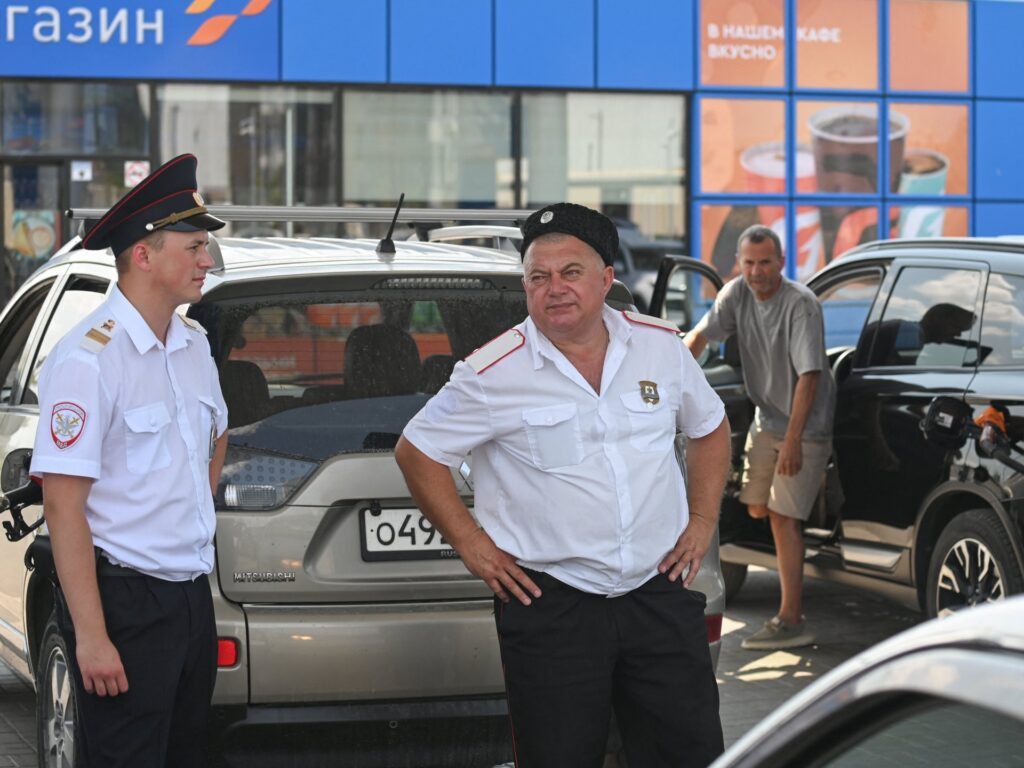
The ongoing conflict between Ukraine and Russia has triggered a significant petrol panic across Central Asia, intensifying the region’s already delicate energy situation. The war has induced acute fuel shortages, leading to widespread unrest and a surge in cross-border fuel runs.
Central Asia, comprising countries like Kazakhstan, Kyrgyzstan, Uzbekistan, Turkmenistan, and Tajikistan, traditionally relies on energy exports and supplies from Russia. However, the volatile geopolitical landscape caused by the Ukraine war has upset these arrangements, resulting in disruptions in fuel supplies.
The panic began as reports emerged of dwindling petrol stocks across several Central Asian capitals. Citizens, fearing shortages and price hikes, rushed to fill their tanks and stockpile fuel. This surge in demand has overwhelmed local fuel stations, causing long queues and empty pumps.
Additionally, the scarcity has led to increased cross-border fuel runs, where individuals and businesses have been transporting petrol across borders to exploit differences in fuel prices and supply availability. This informal trade, while helping some areas temporarily, exacerbates shortages elsewhere, creating a vicious cycle of scarcity.
Russia’s vested interest in Central Asia as a strategic ally makes these developments particularly impactful. The energy disruptions weaken Russia’s influence and strain the economic stability of these allied nations.
The fuel crisis also reflects broader energy challenges aggravated by the conflict. Central Asian countries, many of which are resource-rich, now face logistical and supply chain hurdles that hinder their ability to stabilize their local markets.
Governments in the region have started to implement measures to mitigate the crisis. These include regulating fuel exports, increasing imports from alternative sources, and incentivizing local production where feasible.
International observers note that the situation in Central Asia is a microcosm of the global ripple effects of the Ukraine war. Energy markets remain highly sensitive to geopolitical tensions, and regions dependent on Russia’s supply chains are particularly vulnerable.
The petrol panic underscores the intertwined nature of energy security and geopolitical stability. As the conflict in Ukraine continues, Central Asia’s energy predicament serves as a stark reminder of how warfare in one region can cascade into economic turmoil far beyond the frontline.