The Democratic Republic of Congo (DRC) is currently battling a severe outbreak of Ebola, with the number of reported cases escalating to 5,515. The situation has become increasingly dire, as the case fatality rate has climbed to nearly 48 percent, indicating that almost one in two people infected with the virus are succumbing to the disease. This deadly outbreak highlights the urgent need for comprehensive global intervention to contain the spread and save lives.
Ebola virus disease is a severe and often fatal illness affecting humans and nonhuman primates, caused by the Ebola virus. The virus is transmitted to people from wild animals and spreads among humans through direct contact with blood, secretions, organs or other bodily fluids of infected people, and with surfaces and materials contaminated with these fluids.
Since its emergence in the DRC, Ebola has posed significant challenges to health workers and authorities due to its high transmissibility and mortality rate. The current outbreak is one of the most severe in the country’s history, with health systems stretched to their limits and resources severely limited.
The nearly 48 percent fatality rate represents a drastic increase from previous figures, underscoring the lethal nature of this outbreak and the vulnerabilities in controlling the disease. This means that nearly half of those infected do not survive, a sobering statistic that calls for immediate and decisive action.
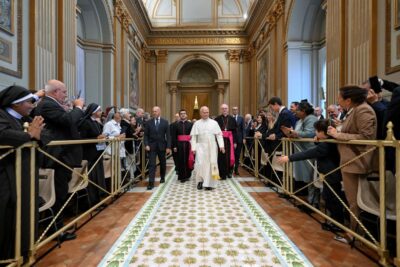
In response to this crisis, Pope Leo has made a powerful appeal to the international community, urging global leaders, health organizations, and humanitarian agencies to ramp up their efforts to combat the epidemic. In a public statement, the Pope emphasized the moral imperative to save lives and provide support to those affected by the outbreak.
He called for heightened cooperation and resource-sharing among nations to ensure the availability of medical supplies, healthcare personnel, and emergency funding. The Pope’s intervention underscores the need for solidarity and compassion in facing global health emergencies.
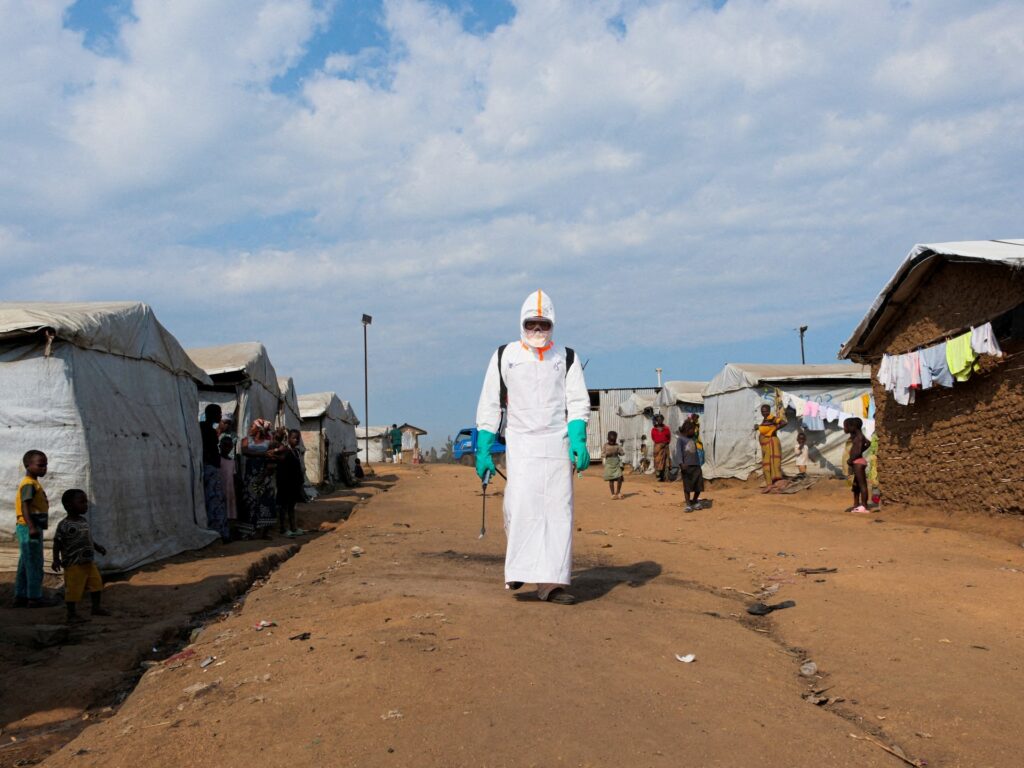
Health officials in the DRC are working tirelessly to track, isolate, and treat infected individuals. Efforts include vaccination campaigns, community education programs to raise awareness about transmission prevention, and the establishment of safe burial practices to reduce virus spread.
Despite these efforts, challenges such as remote locations, misinformation, and ongoing conflict in some regions hamper the containment of the Ebola virus. The health infrastructure in affected areas is often weak, complicating the delivery of timely medical care.
International aid agencies and governments have pledged support, deploying medical teams and supplying vaccines and treatment medications. However, the pace and scale of the response need to be accelerated to match the rapid spread of the disease.
The World Health Organization (WHO) continues to monitor the outbreak, providing critical guidance and resources. WHO stresses the importance of community engagement and trust-building to encourage early reporting of symptoms and cooperation with health measures.
The DRC’s Ebola outbreak serves as a stark reminder of the persistent threat posed by infectious diseases, especially in regions with limited healthcare infrastructure. It also highlights the importance of global health security and the need for sustained investment in epidemic preparedness.
In conclusion, the rapidly growing number of Ebola cases and the alarmingly high fatality rate in the DRC represent a critical health emergency. With Pope Leo’s call to action, the hope is that the global community will come together to provide the necessary support to curb this deadly outbreak and save countless lives.