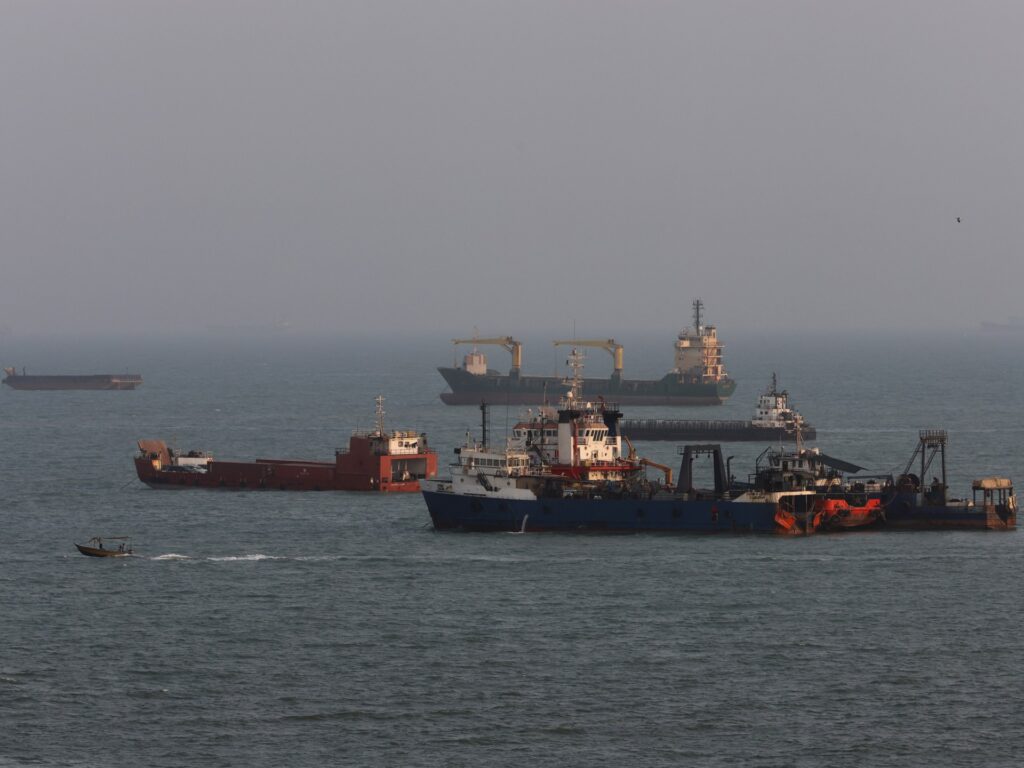
The Iranian parliament has recently taken a significant step by advancing draft legislation that proposes charging service fees to ships passing through the strategically critical Strait of Hormuz. This move intensifies the geopolitical and economic tensions in the region, as the Strait is one of the world’s most vital maritime choke points, especially for global oil shipments.
According to the draft law, any vessel from countries allowed to navigate the Strait will be required to pay service fees to Iran for the services provided. These services include navigation safety, maritime security, and any assistance related to the safe passage of ships through the narrow and sensitive waterway.
The Strait of Hormuz is a crucial artery connecting the Persian Gulf with the Gulf of Oman and the Arabian Sea, through which a significant portion of the world’s petroleum passes every day. Control over the Strait has long been a point of strategic leverage for Iran, given its geographical position and the global dependence on energy resources flowing through it.
Iran’s parliamentarians argue that the proposed fees are justified by the costs Iran incurs in maintaining security and infrastructure for safe navigation. They argue that as a steward of this international transit route, Iran has the right to seek compensation for the services it provides to foreign vessels.
This legislative development follows a period of heightened tension in the region, with various international powers, including the United States, having maintained a substantial naval presence to ensure free passage but also often resulting in confrontations.
Critics warn that implementing such fees could further complicate international relations and could be perceived as an assertion of control that might escalate conflicts. The move could potentially disrupt the flow of oil exports, thereby affecting global markets and potentially driving up oil prices.
Proponents within Iran see the measure as a legitimate exercise of sovereignty and a potential boost to national revenues. They emphasize that the fees are not intended to hinder free navigation but to ensure fair compensation for the resources and risks involved.
The draft law is now set to undergo further discussions within the parliamentary committees before potentially becoming law. International reactions will likely be closely monitored, as stakeholders from shipping companies to foreign governments react to this policy’s implications.
In summary, Iran’s parliament advancing plans to charge service fees for maritime passage through the Strait of Hormuz marks a critical development in Middle Eastern maritime politics. It underscores Tehran’s strategic ambitions and the complex interplay between national sovereignty, regional security, and global economic interests. The international community awaits how this draft legislation will shape future maritime navigation policies and impact regional stability.