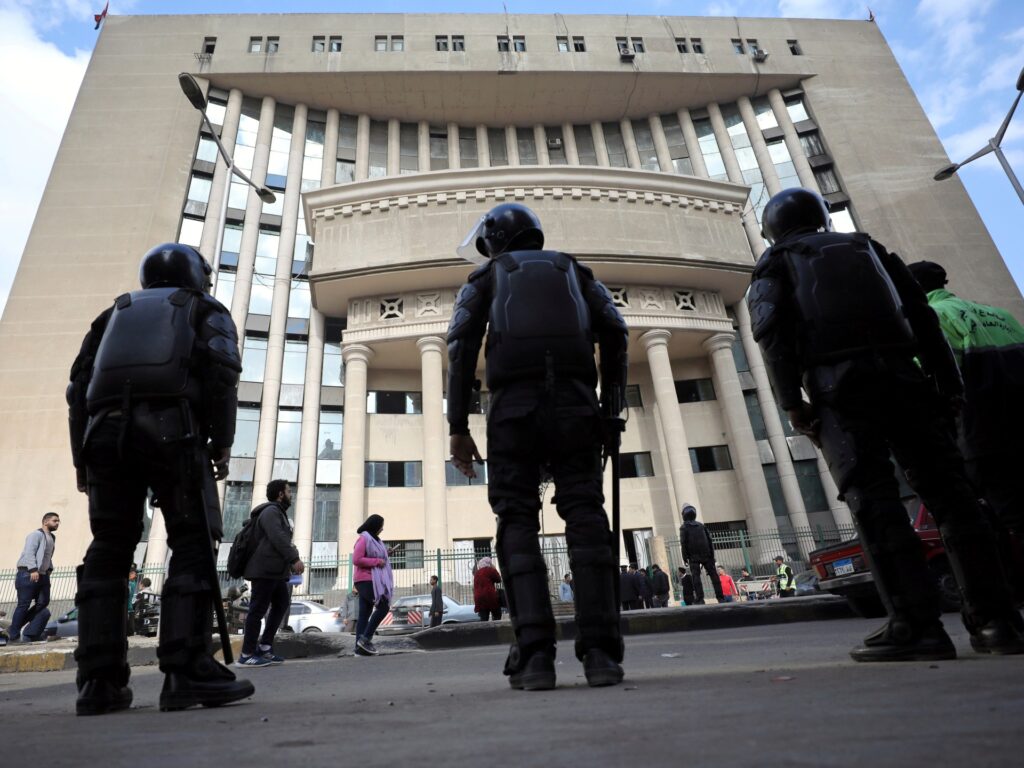
The chief of Egypt’s Press Syndicate has firmly rejected external pressures concerning the detention of six journalists affiliated with the independent platform Matsadaash. These journalists have alleged that they suffered torture during their detention, claims that the Egyptian authorities have categorically denied.
The situation escalated after the journalists’ detention, sparking widespread international concern over press freedom and human rights in Egypt. The journalists, who were primarily engaged in independent reporting, have accused security forces of maltreatment while in custody, describing their experience as harsh and in violation of basic human rights standards.
Egypt’s government, however, has strongly refuted these allegations, emphasizing that the detained journalists are being treated in accordance with the law and that any claims of torture are unfounded. Officials have maintained that the detentions are part of broader national security measures and have accused some of the detained journalists of activities threatening state stability.
The head of the Press Syndicate played a pivotal role by publicly addressing the issue, urging for calm and discouraging external interference that might exacerbate tensions. He underscored the importance of adhering to legal processes and respecting Egypt’s judicial sovereignty.
Media watchdogs and international human rights organizations have been closely monitoring the case, expressing deep concern over the implications for freedom of the press in the region. They have called for transparent investigations into the treatment of detained journalists and demanded that any acts of torture be thoroughly examined and punished if proven.
Analysts suggest that the incident highlights ongoing challenges faced by independent media outlets in Egypt, where press freedom has been under increasing scrutiny. The tension between state authorities and independent journalists continues to impact the broader discourse on governance, accountability, and human rights.
In response to the growing criticism, Egypt’s government has reiterated its commitment to uphold human rights while maintaining national security. Yet, critics argue that the detention of journalists on vague charges reflects a broader pattern of restricting dissent and controlling the flow of information.
The case has drawn reactions from various corners of the international community, with calls for Egypt to ensure the safety and fair treatment of all detained individuals, including journalists. Many emphasize that ensuring press freedom is fundamental to a democratic society and integral to fostering open dialogue and transparency.
As the situation unfolds, demands for an independent and impartial inquiry into the allegations of torture continue to mount. The Press Syndicate’s chief remains a crucial figure in navigating the delicate balance between protecting journalists’ rights and addressing state security concerns.
The incident involving the Matsadaash journalists serves as a stark reminder of the precarious state of press freedom in Egypt and the ongoing struggle for journalists to operate without fear of repression. It calls for a renewed commitment from all stakeholders to protect the rights of media professionals and uphold ethical standards in journalism worldwide.