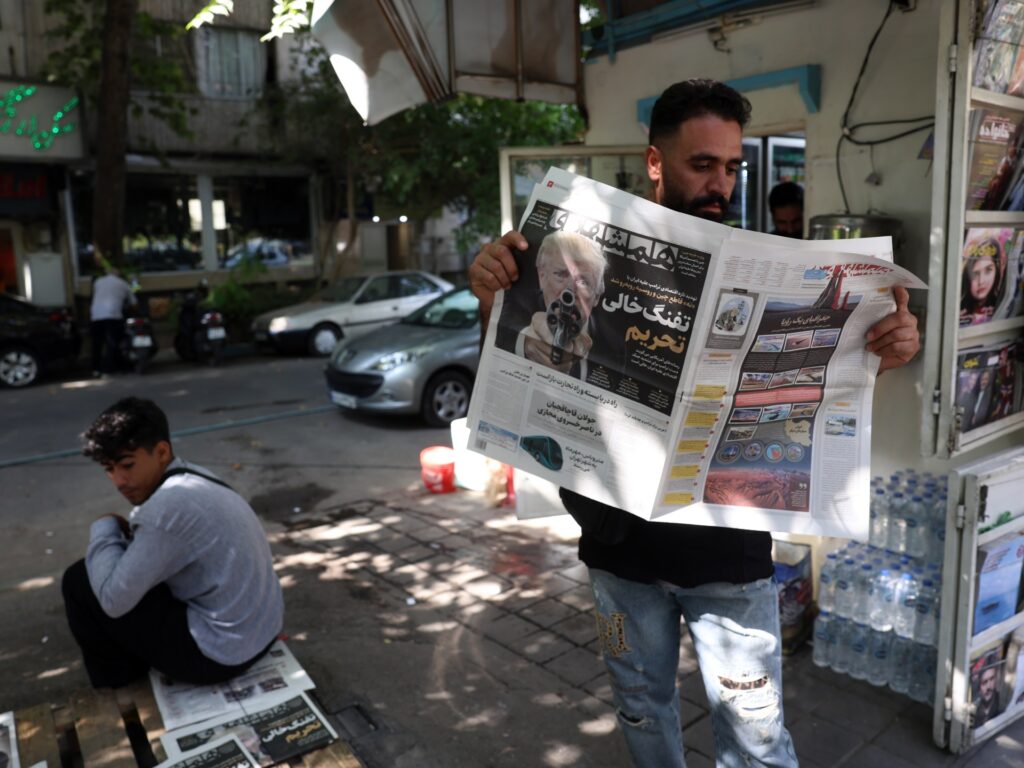
In a striking escalation of tensions, Iran has issued a stern warning to countries that align with the United States in its economic campaign targeting Tehran. The Iranian government has made it clear that any nation cooperating with what it calls an ‘economic war’ led by the US will face retaliation. This development follows aggressive threats from US President Donald Trump, who has pledged to further isolate Iran economically to destabilize its government and curb its influence in the region.
The backdrop to this warning is the increasingly hostile rhetoric and policy measures emanating from Washington. Since withdrawing from the international nuclear agreement in 2018, the Trump administration has pursued a strategy aimed at maximum economic pressure on Iran. Sanctions targeting Iran’s vital oil exports, banking sector, and military-linked enterprises have been reimposed and expanded, seeking to squeeze the country’s economy.
President Trump publicly stated his administration’s goal to force Iran to alter its regional policies and renegotiate a more stringent deal. He believes that isolating Iran economically will weaken the ruling government’s hold on power and curtail its support for proxy groups in the Middle East.
Iran, however, views these efforts as an act of economic aggression amounting to war. Iranian officials warn that countries which comply with the US sanctions risk severe consequences. Tehran has repeatedly stated it will retaliate in kind and respond to economic pressures with measures that will harm the interests of nations supporting the American campaign.
This warning underscores the heightened geopolitical tensions in the region and signals potential economic and diplomatic fallout. Iran’s threats of retaliation raise concerns among global powers who worry about increasing instability in the Middle East. The risk is not only economic but also security-related, as confrontations between Tehran and its adversaries escalate.
Experts note that while Iran’s economy is under severe strain due to sanctions, the government’s warnings reflect its intention to retaliate in ways that impact foreign businesses and governments directly. This could involve restricting access to trade routes, targeting economic interests overseas, or leveraging its regional allies to create disruptions.
The international community remains divided on how to address the escalating conflict. European countries have attempted to mediate by preserving aspects of economic engagement with Iran despite US sanctions, but they face pressures to comply with American policies.
The US economic strategy has undoubtedly already affected Iran’s economy, causing inflation, currency devaluation, and shortages of essential goods. Iranian citizens bear much of the hardship, fueling internal discontent.
At the same time, Tehran’s defiant stance may embolden hardliners within the government and military, who advocate for resisting US policies robustly.
In conclusion, Iran’s warning against countries joining the US ‘economic war’ highlights an increasingly fraught geopolitical landscape. The ongoing struggle for influence and the use of economic tools as weapons signal a tough and potentially dangerous phase in international relations. Countries navigating this environment must weigh the risks of cooperation with the US against the consequences warned by Tehran, as the possibility of retaliation looms large.