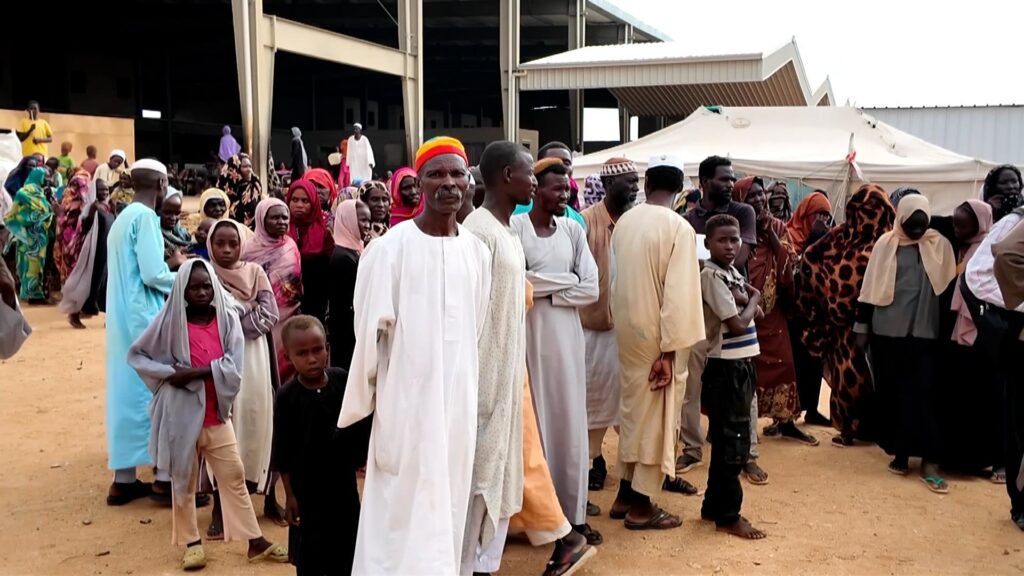
Intensified conflict in Sudan’s Kordofan region has led to a severe humanitarian crisis, with over 200,000 people displaced since late last year. The escalation of fighting involves various armed groups and government forces, disrupting the lives of countless civilians. These displacements have created urgent needs for shelter, food, medical care, and other essential services.
The Kordofan region, known for its diverse ethnic communities and strategic significance, has experienced sporadic violence for years. However, the recent surge in clashes has dramatically increased the scale of displacement, overwhelming local resources and humanitarian efforts.
Humanitarian agencies operating in Sudan have expressed deep concern over the worsening conditions. Access to affected areas remains challenging due to ongoing insecurity and logistical constraints, hindering relief deliveries and the ability to provide adequate support to displaced populations.
Local authorities and international organizations are calling for an immediate ceasefire and a concerted effort to facilitate dialogue among conflicting parties. The goal is to establish humanitarian corridors to ensure safe passage for aid and the possibility of voluntary return for displaced families when conditions allow.
The displaced people face numerous hardships, including lack of clean water, limited healthcare services, and food shortages exacerbated by ongoing conflict and disrupted supply chains. Women, children, and elderly individuals are particularly vulnerable to these harsh conditions.
The Sudanese government has pledged to address the situation but faces significant challenges in controlling the violence and restoring stability in the region. Meanwhile, international bodies such as the United Nations continue to urge stronger global support and funding to bolster humanitarian responses.
The situation in Kordofan is a stark reminder of the broader issues facing Sudan, where multiple regions have been engulfed in conflict, leading to widespread displacement and instability. A sustainable resolution requires not only immediate humanitarian assistance but also long-term political solutions addressing the root causes of conflict.
As the crisis unfolds, the international community’s attention remains crucial to prevent further deterioration and to support the resilience and recovery of affected communities in Sudan’s Kordofan region.