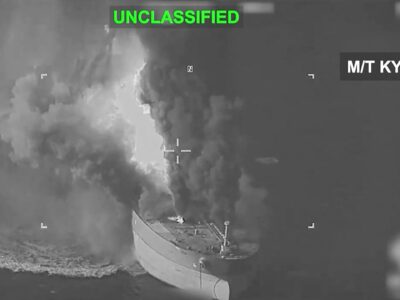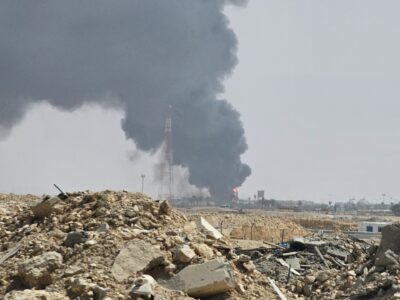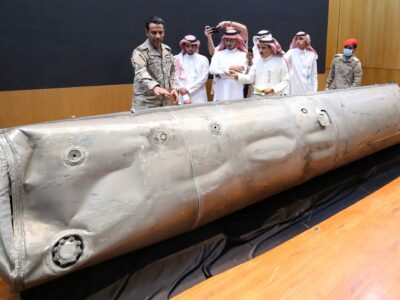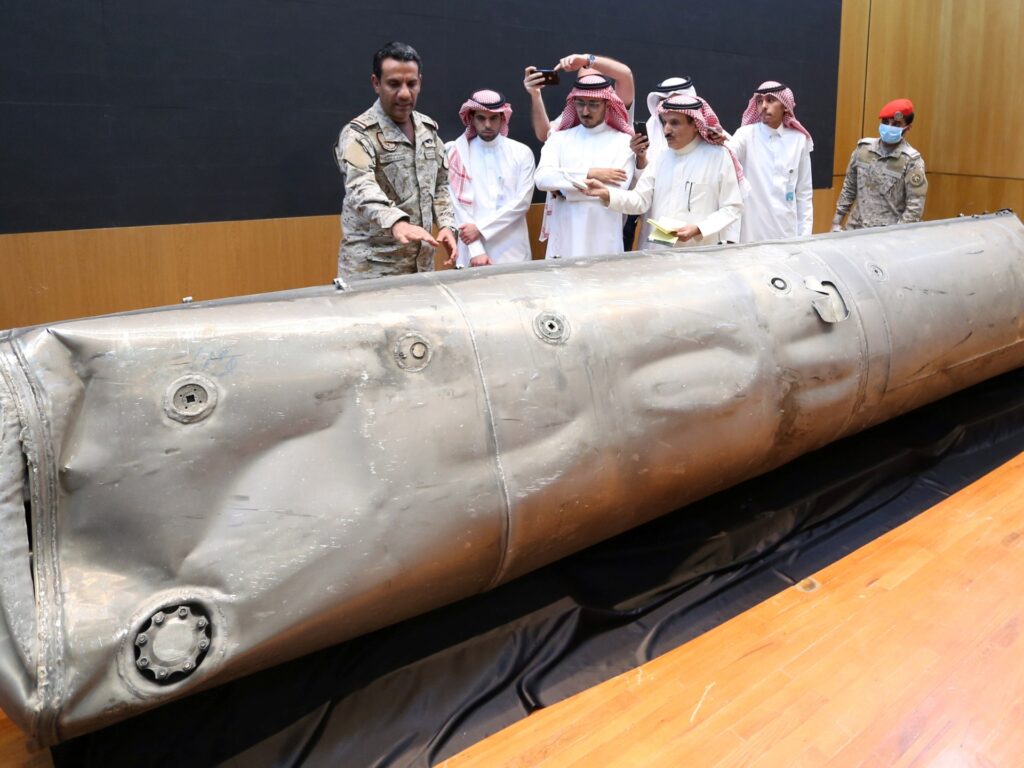
In a recent and devastating event, the Houthi movement launched a deadly missile attack targeting Riyadh’s airport in Saudi Arabia. This aggressive strike resulted in significant casualties and widespread condemnation from nations around the globe. The attack, carried out amidst ongoing regional conflict, has escalated tensions further in the already volatile Middle East.
International leaders and governments expressed strong denunciations of the attack, emphasizing the need for peace and stability in the region. The breach of the airport, a critical infrastructure hub, raised global alarms regarding security and the protection of civilian areas from military aggression.
Among the voices condemning the attack was former U.S. President Donald Trump, who described the incident as “terrible.” Trump highlighted the severity of the attack and indicated that the United States is actively evaluating its options, including the possibility of joining Saudi Arabia’s military responses against the Houthi forces. This marks a potential shift in U.S. policy and involvement in the region, reflecting the seriousness with which the administration views the ongoing conflict.
The Houthi movement, a Yemeni rebel group backed by Iran, has been engaged in a prolonged conflict with the Saudi-led coalition since 2015. The coalition supports the internationally recognized government of Yemen in a brutal civil war that has caused a massive humanitarian crisis. The missile attack on Riyadh’s airport represents a significant escalation, striking directly at the heart of Saudi Arabian territory, and challenging the kingdom’s security apparatus.
Global reactions have underscored the importance of de-escalation and a return to diplomatic negotiations. The United Nations and various international bodies called for an immediate cessation of hostilities and urged all parties to respect international law, particularly those provisions protecting civilians and civilian infrastructure.
The attack also raised concerns about the safety of global aviation and the security of international transit points in conflict zones. Riyadh airport serves as a major international hub, and the attack disrupts not only the kingdom’s internal functions but also has broader implications for international travel and trade.
In the aftermath, Saudi Arabia has pledged to intensify its military campaign against the Houthi forces, vowing to protect its sovereignty and citizens. Meanwhile, regional allies and partners have expressed solidarity with Riyadh, offering support both diplomatically and potentially militarily.
Experts warn that the continuation and escalation of violence could further destabilize the already fragile geopolitical landscape of the Middle East. They stress the urgent need for renewed peace talks to address the root causes of the conflict and to establish a sustainable and just resolution.
The deadly missile attack on Riyadh airport by the Houthis stands as a stark reminder of the ongoing dangers in the Middle East. It calls for a unified international effort to prevent further violence and to seek lasting peace for the region’s affected populations. The world watches closely as the situation unfolds, hoping for a swift resolution and an end to the cycle of violence that has plagued Yemen and its neighbors.