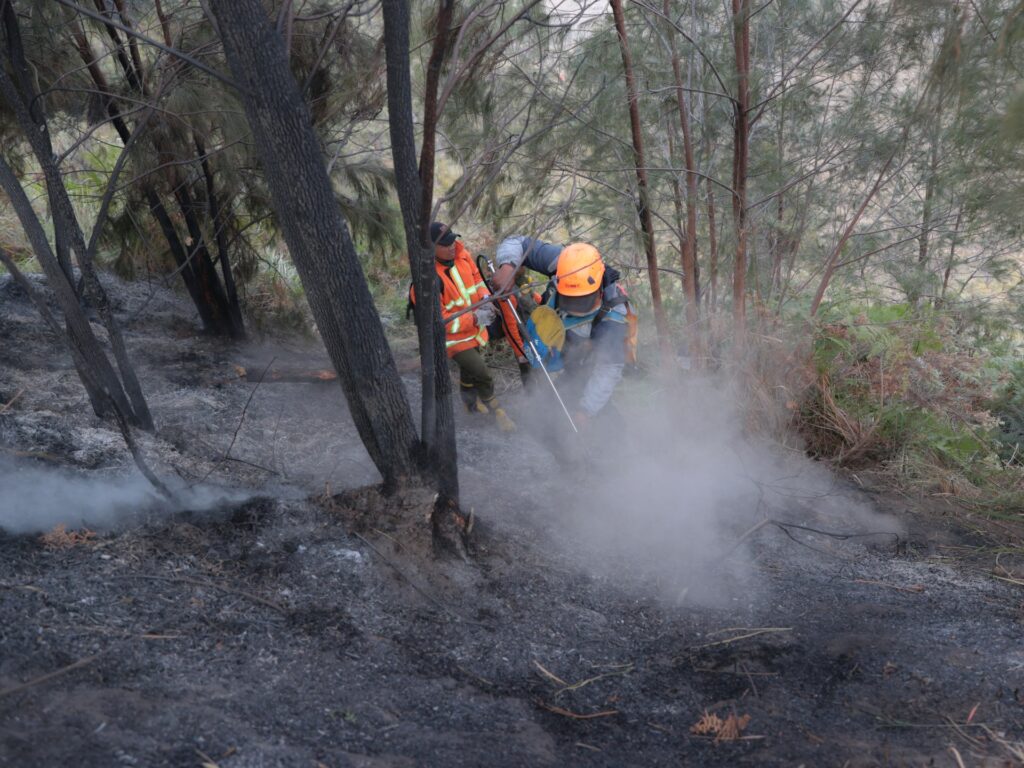
Indonesia is significantly increasing its military and paramilitary presence in response to the devastating wildfires that have ravaged the island of Borneo. From January to July, more than 200,000 hectares of land have been consumed by raging fires, according to reports from the government. These fires have caused extensive damage to the environment, wildlife, and local communities, prompting urgent action.
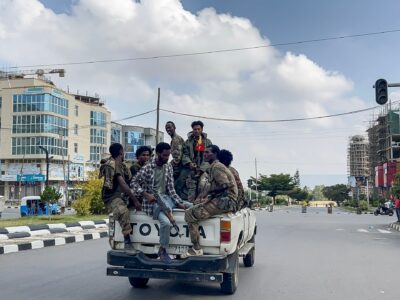
The government’s decision to bolster troop numbers is aimed at strengthening firefighting efforts and enhancing fire-prevention measures. Troops are being deployed to hotspots where the fires are most intense, providing critical support to firefighters and local authorities. These units are equipped not only to combat fires but also to assist in evacuation and relief operations for affected populations.
Borneo’s wildfires are often attributed to a combination of dry weather conditions and illegal land clearing practices, including slash-and-burn agriculture. These fires not only threaten biodiversity but also contribute significantly to air pollution, affecting air quality across Southeast Asia. The smog generated by the fires can lead to serious health problems and disrupt daily life in the region.
Environmentalists have long warned about the fragility of Borneo’s tropical forests, which are home to endangered species such as orangutans and pygmy elephants. The loss of habitat from the fires puts these species at even greater risk. Moreover, the destruction of forested areas undermines efforts to mitigate climate change, as these forests serve as significant carbon sinks.
In addition to increasing troop deployments, the Indonesian government is working to improve coordination between various agencies, including environmental, forestry, and disaster management bodies. Satellite monitoring systems and early warning mechanisms have been enhanced to detect and respond to fire outbreaks more swiftly.
The international community has expressed concern and offered support to Indonesia’s firefighting efforts. Collaboration with neighboring countries is also underway to address transboundary haze pollution caused by the widespread forest fires.
Local communities are being engaged through awareness campaigns and support programs aimed at promoting sustainable land management practices. These initiatives are vital for preventing future outbreaks and preserving the ecological integrity of Borneo.
The Indonesian government’s proactive measures highlight the urgency of combating wildfires that not only impact local ecosystems but also have far-reaching environmental and social consequences. As the country steps up its response, the focus remains on protecting lives, preserving biodiversity, and ensuring a healthier environment for future generations.