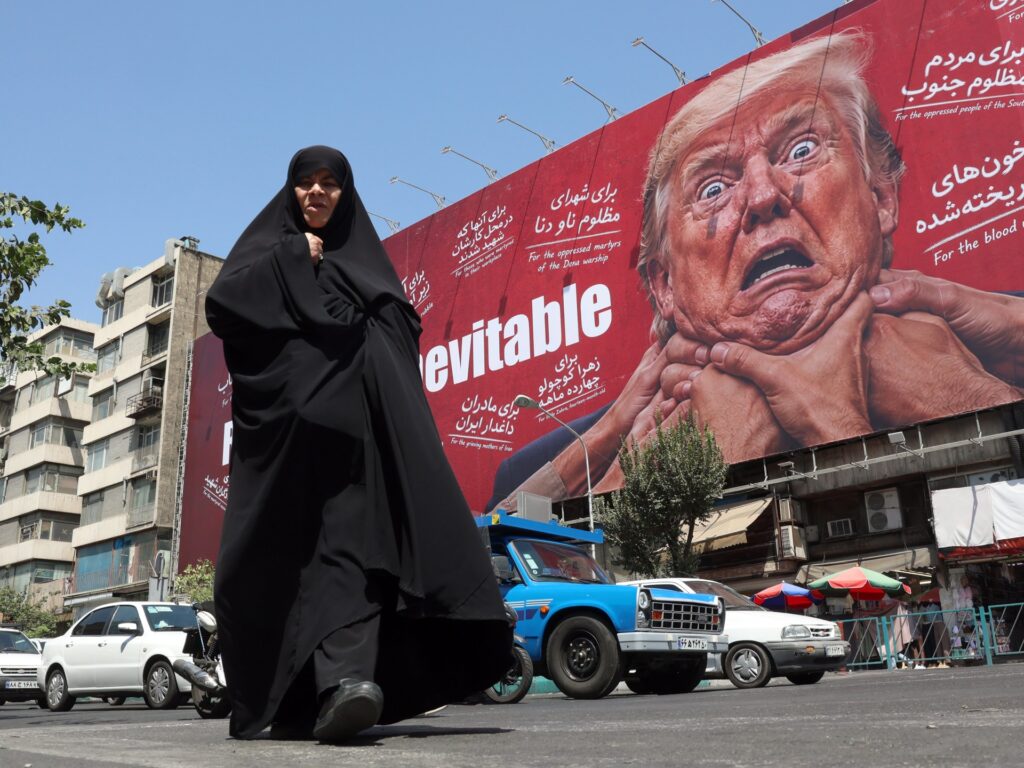
In a recent statement, Iran’s Foreign Ministry spokesman Esmaeil Baghaei has publicly condemned the United States’ latest imposition of sanctions, asserting that these actions violate the sovereignty of other nations. Baghaei criticized the move as part of a troubling escalation in US foreign policy under former President Donald Trump, describing it as a revival of “full-scale classic colonialism.”
The announcement came amid a series of tightened economic sanctions that the US administration imposed on Iran, aiming to curb the country’s nuclear ambitions and regional influence. However, Iran argues that these sanctions overstep international norms and interfere illegitimately in the affairs of sovereign states.
Baghaei’s comments reflect a broader sentiment of rejection and resistance within Iran regarding US-led sanctions, which Tehran views as an aggressive tool of coercion designed to undermine its political and economic stability. By labeling the sanctions as colonialist, the Iranian government draws a stark historical parallel to imperialistic practices that dominated global interactions in earlier centuries.
This rhetoric highlights deep-rooted tensions between the two countries, which have been strained for decades, characterized by mutual distrust and conflicting strategic interests. While the US claims these sanctions are necessary to maintain regional security and enforce international agreements, Iran maintains that they are unjust and counterproductive.
The international community has expressed mixed reactions. Some nations support the US stance as a measure to prevent nuclear proliferation, while others call for dialogue and condemn unilateral sanctions that may exacerbate regional instability.
As the dispute continues, there are concerns about the broader geopolitical impact, including economic disruptions and heightened military tensions. Observers note that such confrontational policies might push Iran to strengthen alliances with other global powers, potentially altering the geopolitical landscape in ways that complicate conflict resolution efforts.
In summary, Iran’s Foreign Ministry spokesman Esmaeil Baghaei’s denouncement of US sanctions underscores a critical juncture in US-Iran relations. His accusation that these measures represent a return to colonialist policies underscores the gravity with which Iran views the sanctions, suggesting that they not only target Iran economically but also impinge on its sovereignty and dignity as a nation. The situation remains a pivotal issue for international diplomacy and regional security.