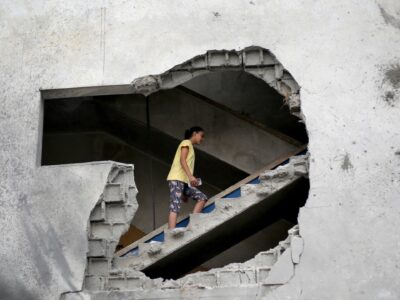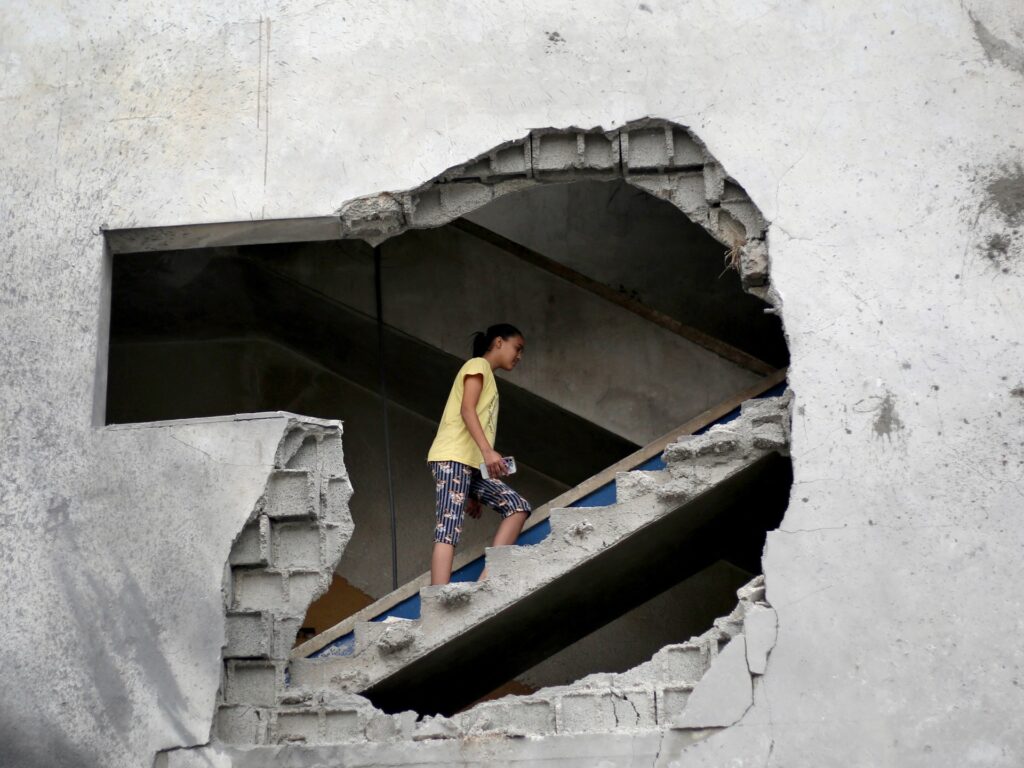
A year has passed since the ceasefire agreement was reached in Gaza, yet the situation remains volatile with persistent Israeli military actions and unrest in the region. Despite the ceasefire, Israeli attacks in Gaza have continued, undermining hopes for a lasting peace and stability. This ongoing aggression has led to further casualties and destruction, exacerbating the humanitarian crisis for Palestinians living in the besieged territory.
In addition to the violence in Gaza, the West Bank has also experienced increased tensions. Settler violence has escalated, notably disrupting the vital oil harvest season. Palestinian farmers face harassment and attacks from Israeli settlers, threatening their livelihoods and the local economy.
The ceasefire that was supposed to bring calm has instead highlighted the fragile and tense environment in Palestine. Israeli military operations and settler aggression reflect a broader policy of intimidation and control, contributing to a cycle of violence that continues to displace and endanger Palestinian communities.
Human rights organizations have condemned the continued hostilities and violence against civilians. They emphasize the urgent need for renewed diplomatic efforts and international intervention to enforce agreements, protect human rights, and ensure safety for all residents in Gaza and the West Bank.
The broader geopolitical context remains complex, with peace talks stalled and mutual distrust high between Israeli and Palestinian leadership. This impasse delays meaningful progress towards a two-state solution or any comprehensive peace settlement.
As Gaza marks the anniversary of its ceasefire, the lived reality for Palestinians remains fraught with danger and uncertainty. The international community faces a crucial moment to reaffirm commitments to cease hostilities and work constructively toward sustainable peace, human rights protections, and economic recovery in the region.
Without sustained attention and action, the year following the Gaza ceasefire risks slipping into another chapter of conflict and suffering, highlighting the urgent need for renewed peace initiatives and protection of civilian populations on both sides.