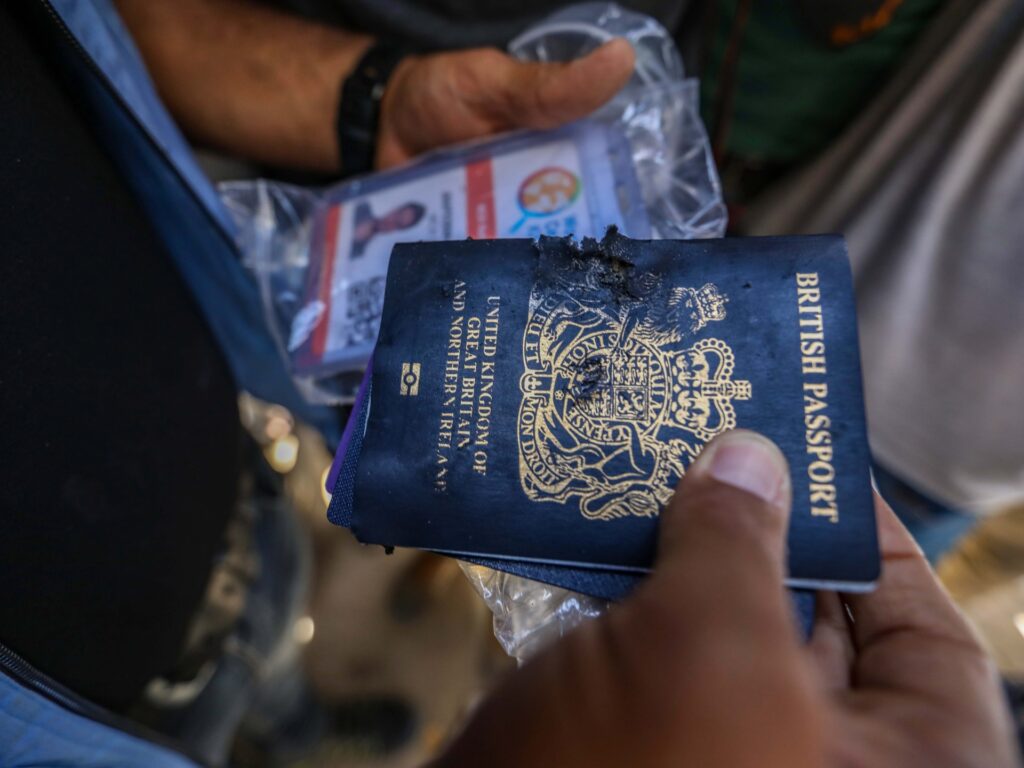
In a significant diplomatic rebuke, Western allies including the United Kingdom, Australia, and Canada have sharply criticized Israel’s decision to cease investigations into the deadly 2024 airstrike on a World Central Kitchen aid convoy in Gaza. The strike resulted in considerable loss of life and has been a focal point of international concern over humanitarian access and protection in conflict zones.
The aid convoy, operated by the World Central Kitchen, was delivering critical food supplies to vulnerable populations in Gaza when it was struck, leading to multiple casualties and widespread condemnation from global humanitarian groups. The decision by Israel to discontinue the inquiry into the incident has been described by these Western governments as “shameful” and a setback to accountability efforts in conflict-related humanitarian crises.
UK Foreign Office spokesperson expressed deep disappointment, emphasizing the importance of full transparency and adherence to international humanitarian law. They stated, “Investigations into attacks against humanitarian convoys are vital for justice and to prevent impunity. The halting of this probe undermines the rules-based international order.”
Similarly, Australian and Canadian officials issued statements underscoring their dismay at the decision. Australian Foreign Minister highlighted the need for thorough investigations whenever civilians and aid workers are endangered, reiterating Australia’s commitment to supporting humanitarian operations and international law.
Canada’s Minister of Foreign Affairs echoed these sentiments, urging Israel to reconsider the move and stressing that accountability is key to upholding international standards and protecting humanitarian missions.
The World Central Kitchen, founded by chef José Andrés, has been pivotal in providing aid in conflict and disaster zones globally. The convoy targeted in Gaza was part of ongoing efforts to alleviate food insecurity amid heightened tensions and conflict in the region.
Human rights organizations have also voiced their alarm at the cessation of the investigation. Amnesty International called the decision a grave injustice, highlighting the need for impartial investigations when humanitarian workers are harmed.
The incident in Gaza has drawn attention to broader concerns about the safety of humanitarian convoys in conflict areas and the challenges in ensuring aid delivery amid hostilities.
Israeli officials have defended their decision by citing national security concerns and the complexities of military operations, though critics argue that transparency and accountability must take precedence to maintain international credibility.
The reaction from Western allies reflects a broader pattern of insistence on adherence to international humanitarian law by all parties in conflict. It also signals potential diplomatic pressures that may arise in response to perceived impunity in incidents involving civilian casualties.
This diplomatic clash underlines the fragile nature of humanitarian efforts in war zones and the vital importance of investigations to uphold justice and prevent future tragedies. As tensions continue in Gaza, the call from international allies for accountability and the protection of aid workers remains a defining issue in global responses to the conflict.
The end of the strike investigation has thus emerged as a critical flashpoint in the ongoing discourse around conflict, humanitarian aid, and international law, with significant implications for future aid operations and international diplomatic relations.