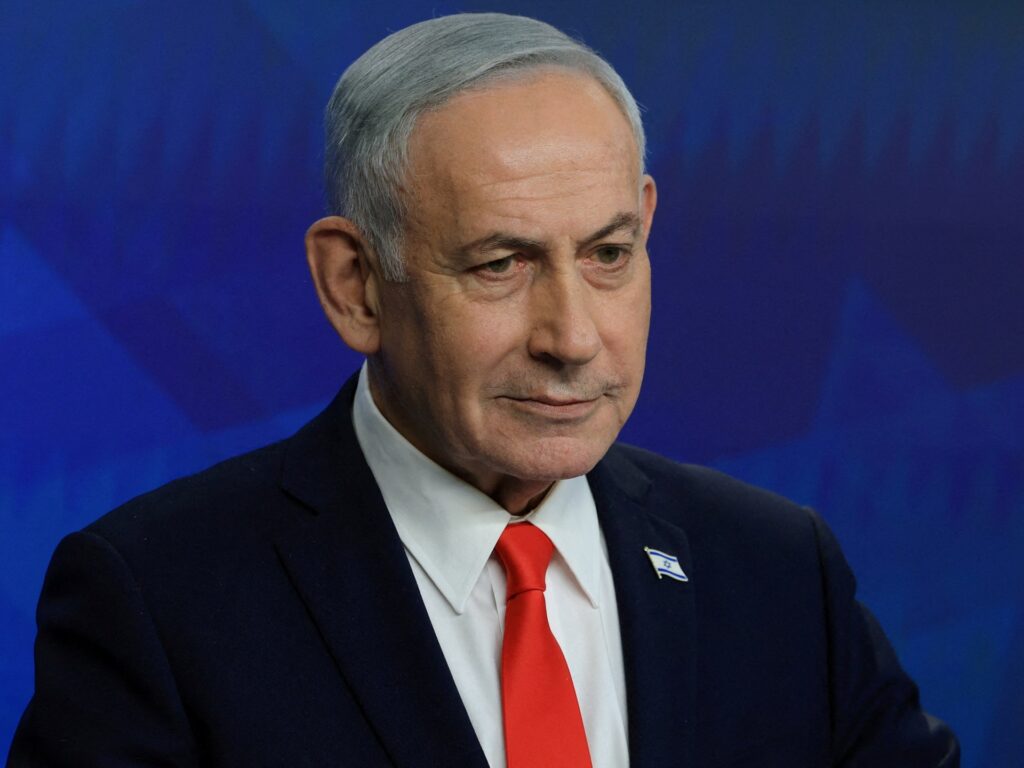
In a significant escalation of diplomatic tensions, Turkiye has accused Israeli Prime Minister Benjamin Netanyahu of committing ‘genocide’ and has sought an Interpol warrant against him. This development comes amid a heated exchange of insults between Netanyahu and Turkish President Recep Tayyip Erdogan, highlighting the fraught relationship between the two countries.
The dispute centers on Israeli military actions against activists aboard the Global Sumud Flotilla, a convoy attempting to break the Israeli blockade of Gaza to deliver humanitarian aid. The Turkish government condemned the attack as a violation of international law and a blatant act of aggression. Ankara has taken their grievances to the international stage by formally requesting Interpol to issue a warrant for Netanyahu, holding him personally accountable for Israel’s actions against the flotilla activists.
President Erdogan did not hold back in his criticism of Netanyahu, labeling him with harsh terms in public statements. In response, Netanyahu fired back, denouncing Erdogan’s remarks and accusing Turkey of supporting terrorism.
The Global Sumud Flotilla incident has further exacerbated an already strained relationship between Turkiye and Israel. Relations between the two countries were established in 1949 but have been marked by significant ups and downs, particularly following previous flotilla incidents and Israel’s ongoing policies towards Gaza.
Human rights organizations and international observers have weighed in on the situation. Many criticized Israel’s handling of the flotilla as disproportionate and called for a thorough investigation into the events. Meanwhile, diplomatic efforts to mediate the conflict have thus far been unsuccessful.
The request for an Interpol warrant is unprecedented and represents Turkiye’s strategy to hold Israeli leadership accountable through international legal mechanisms. However, the execution of such a warrant faces many challenges due to geopolitical alliances and differences in international law interpretations.
Both governments are now facing increased international scrutiny, with various nations urging restraint and dialogue. The situation exemplifies the deep-rooted and complex issues surrounding the Israeli-Palestinian conflict, regional politics, and international humanitarian concerns.
As tensions rise, the international community watches closely, hoping for de-escalation and the possibility of renewed peace efforts. Meanwhile, the controversy surrounding the Global Sumud Flotilla continues to impact diplomatic relations and regional stability significantly.