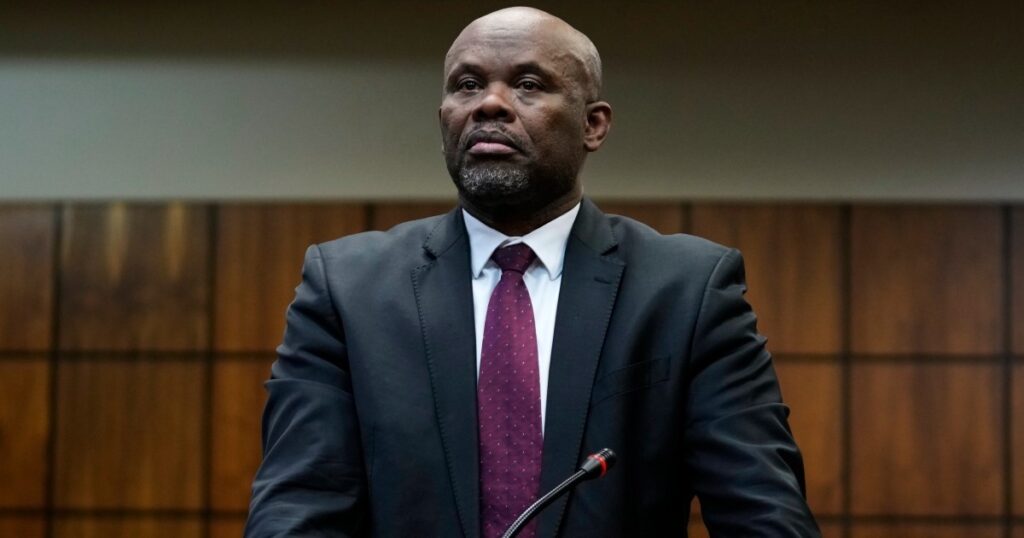
In a significant development within South Africa’s law enforcement leadership, Deputy Police Chief Shadrack Sibiya has resigned from his post amid serious allegations. Sibiya was arrested last month and is currently in prison, facing multiple charges including corruption, rape, and child grooming. Despite the gravity of the accusations, he has denied all allegations against him.
The resignation marks a critical moment for the South African Police Service (SAPS), highlighting ongoing challenges related to corruption and misconduct within the force. Sibiya’s case has drawn widespread attention due to his high-ranking position and the serious nature of the crimes he is accused of.
Authorities have been investigating the charges comprehensively as the legal process unfolds. The case against Sibiya is seen as part of broader efforts to address corruption and abuse within the country’s police system, aiming to restore public confidence and accountability.
The South African government and police officials have yet to release detailed statements on the implications of Sibiya’s resignation, but it underscores the necessity for internal reforms. This incident also raises awareness about the vulnerabilities and potential abuse of power in law enforcement roles.
Public reaction has been mixed, with many expressing shock and disappointment over the allegations, while others emphasize the importance of due process and the presumption of innocence until proven guilty. Community leaders and civil society groups have called for transparent investigations and stronger measures to prevent similar cases in the future.
The police service is expected to appoint an interim deputy chief as it navigates the fallout from this scandal. Meanwhile, the judiciary process will proceed to determine Sibiya’s culpability, which is crucial for maintaining the integrity of justice and law enforcement in South Africa.
This incident serves as a reminder of the ongoing fight against corruption and abuse within the police force and the critical need for vigilance, transparency, and reform in public institutions nationwide.