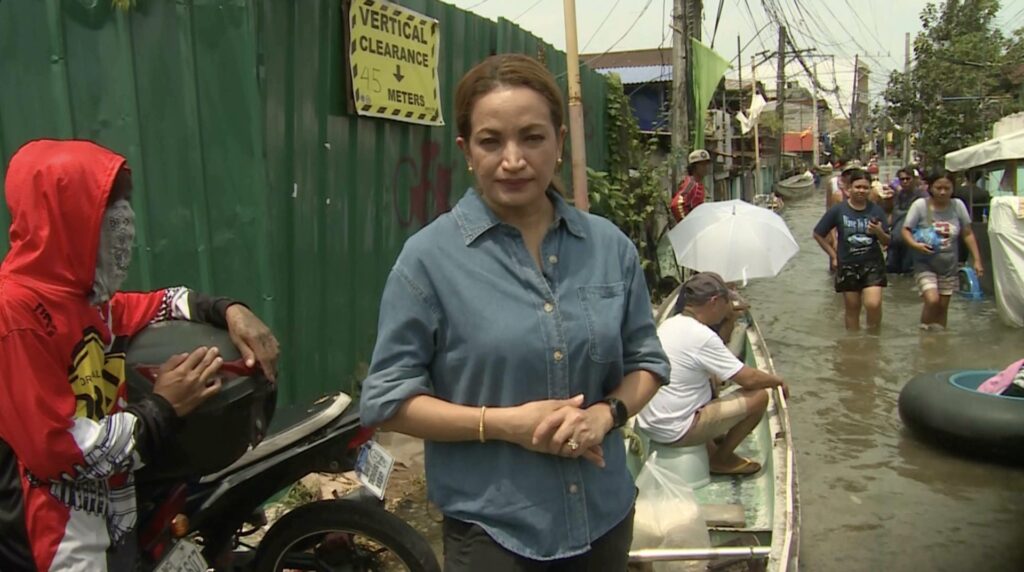
Weeks of relentless monsoon rains have battered the northern Philippines, triggering severe flooding that has displaced thousands and caused widespread devastation. The floods, exacerbated by intense and prolonged downpours, have left communities submerged and struggling with the aftermath. With the water levels rising rapidly and homes inundated, many residents are facing urgent humanitarian needs, including food, clean water, and shelter.
In the wake of the disaster, public anger has mounted, not only due to the natural calamity itself but also because of growing suspicions and allegations of corruption within local and national government agencies responsible for disaster preparedness and response. Many Filipinos have taken to social media and local forums, expressing frustration and demanding transparent investigations into how disaster funds have been managed and whether resources were properly allocated.
Critics argue that mismanagement and corruption could have hampered early warning systems, infrastructure maintenance, and timely evacuation efforts, thereby worsening the impact of the floods. Several non-governmental organizations and independent observers have called for accountability and reform to ensure that disaster aid reaches those who need it most.
The Philippine government has acknowledged the severity of the floods and reassured citizens that relief operations are underway, including the deployment of military and emergency personnel. Efforts are being made to repair damaged infrastructure, clear debris, and provide critical assistance to affected families. However, officials have also vowed to investigate allegations of corruption and ensure that public funds are used effectively and honestly.
Environmental experts point out that climate change and deforestation have increased the frequency and intensity of typhoons and heavy rains in the region, highlighting the need for sustainable environmental policies and better urban planning to mitigate future disasters.
As floodwaters begin to recede, the focus is now shifting towards rehabilitation and rebuilding. Communities face the daunting task of restoring homes, livelihoods, and public services while navigating the trust deficit caused by corruption claims.
The ongoing floods in northern Philippines serve as a stark reminder of the complex interplay between natural disasters and governance challenges. Addressing both the immediate needs of flood victims and the systemic issues of transparency and accountability will be crucial in strengthening the country’s resilience against future calamities.