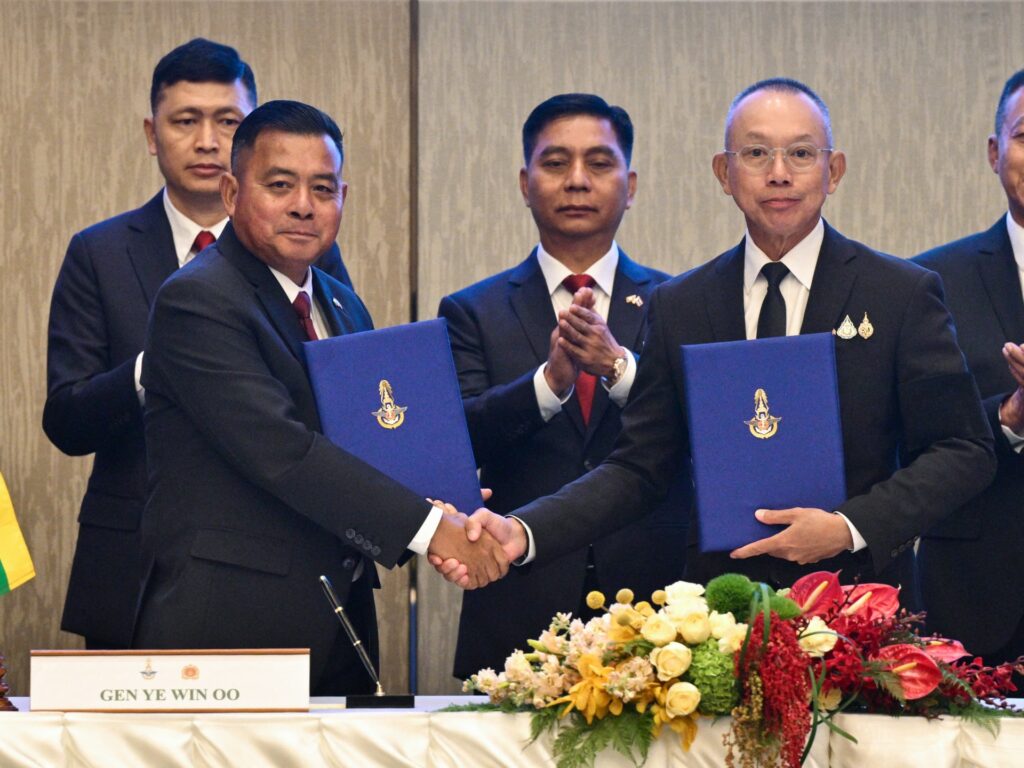
In a significant move marking a new phase in Myanmar’s international relations, the country’s military chief has recently visited Bangkok. This visit comes five years after Myanmar’s military took control in a coup and subsequently faced widespread international isolation.
The military leadership, struggling with legitimacy both domestically and abroad, is now proactively engaged in a diplomatic offensive aimed at repairing and boosting its international standing. The visit to Thailand’s capital is a critical component of this strategy, signaling an attempt to normalize relations with neighboring countries and potentially gain diplomatic support.
Myanmar’s post-coup government has been isolated by many Western nations, which have imposed sanctions and condemned the military’s seizure of power. This diplomatic isolation has posed economic and political challenges, limiting Myanmar’s engagement in international forums and partnership opportunities.
Thailand, sharing a long border with Myanmar and having substantial economic and cultural ties, is a key player in the region. The military chief’s visit to Bangkok is seen as an effort to strengthen bilateral relations, discuss cross-border issues such as trade and security, and potentially gain Thailand’s backing or neutrality in geopolitical discussions.
Observers note that Myanmar’s military leadership is well aware that its path back to full international acceptance is complex and requires navigating a landscape marked by human rights concerns and calls for democratic reforms. Yet, this visit reflects a pragmatic approach to diplomacy, focusing on immediate regional partnerships as a foundation for broader engagement.
The diplomatic offensive has included outreach to other regional powers and participation in ASEAN (Association of Southeast Asian Nations) events, despite ongoing tensions within the bloc about Myanmar’s membership status and the political crisis in the country.
Experts predict that Myanmar’s leadership will continue to pursue similar diplomatic engagements, seeking to diminish isolation and build a network of allies. This could potentially soften some international positions and cement economic ties that have been strained.
For the international community, the visit signals Myanmar’s persistence in participating in regional diplomacy despite internal challenges. It also raises questions about the effectiveness of sanctions and isolation as tools to effect political change in Myanmar.
In summary, the military chief’s Bangkok visit is a strategic move in Myanmar’s broader effort to restore its standing on the global stage. By engaging regional neighbors and boosting diplomatic ties, Myanmar’s leadership aims to secure a degree of legitimacy and stability, even as it continues to face significant internal unrest and calls for democracy.