In the complex geopolitical waters surrounding the Strait, a crucial maritime chokepoint connecting the Persian Gulf to the open ocean, vessels face significant challenges navigating dangerous diplomatic waters. Recent data reveals a distinct pattern in the behavior of ships passing through the Strait, showing a tendency to be more fearful of Iran’s potential response than that of the United States.
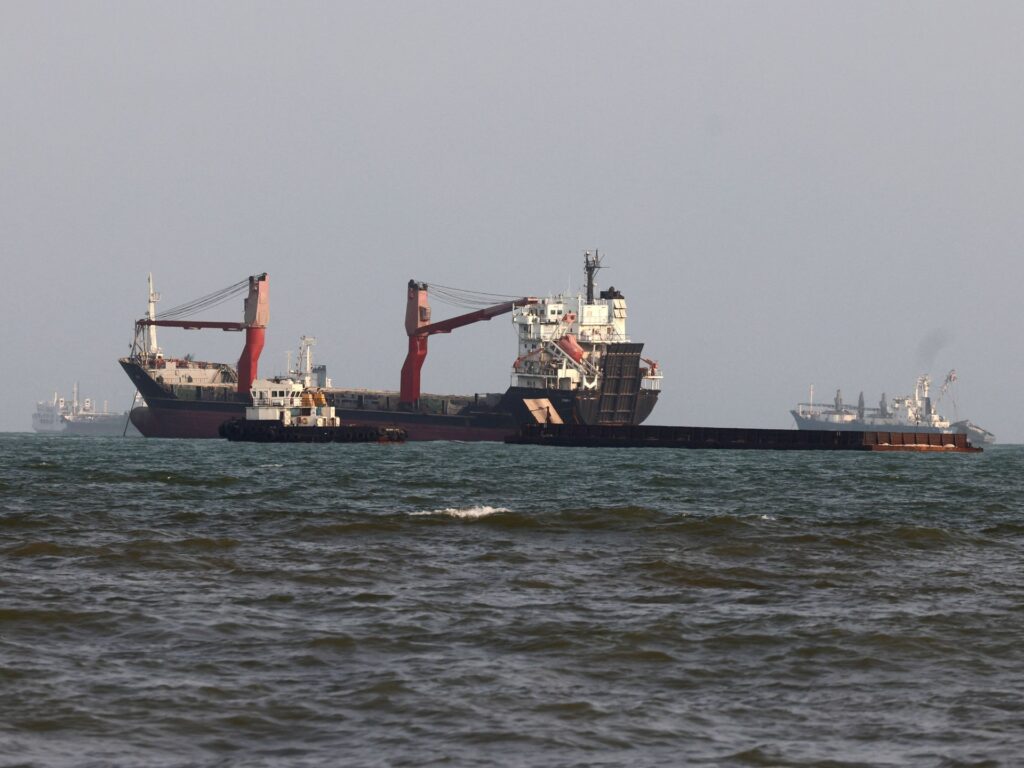
Maritime traffic through the Strait has always been sensitive due to the strategic importance of the passage for global oil shipments and international trade. Ships often cloak their identities, a clear indication of the complex and tense situation.
Data from various tracking systems and maritime monitoring networks indicate that most ships engage in masking their ship identities while attempting to cross, highlighting a concern for safety and privacy. However, a closer look at patterns of behavior and route deviations shows a greater level of caution with regard to Iran’s naval forces compared to that of the US Navy.
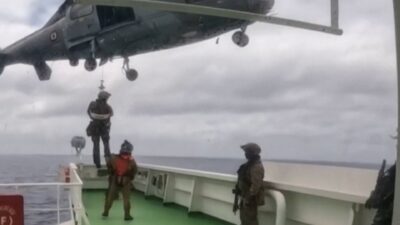
The Strait’s proximity to Iranian territorial waters means that Iranian forces maintain a strong presence in the area and have a history of intercepting vessels, seizing ships allegedly involved in smuggling or violating local regulations. Incidents of confrontations and naval warnings from Iran have been fairly common, prompting a heightened sense of caution among ship operators.
In contrast, although the United States maintains a military presence in the region and regularly conducts freedom of navigation operations, ships appear less apprehensive about direct conflict or interception by US forces. This may be because of established protocols, stronger naval patrol zones, or clearer communication channels that create less uncertainty for ships under US watch.
Moreover, Iranian naval tactics in recent years have shown aggressive maneuvers toward commercial and private vessels, including fast attack boats approaching ships at high speeds and intermittent signaling, which raise alarms among crews.
Ship captains and operators tend to avoid direct confrontation where possible to protect their crews and cargo. Many opt to keep low profiles, using measures such as changing ship names on transponders, altering reported routes, or temporarily turning off Automatic Identification Systems (AIS).
While defiance toward the United States still occurs, mainly in politically charged incidents or as acts of protest by certain state actors, the data signifies a recurring theme: the threat perception related to Iran is more immediate and tangible, leading to more cautious ship behavior.
This trend underscores the broader geopolitical reality of the Strait as a hotspot where Iran’s regional authority is a daily influence on maritime decisions. The US role, while significant, appears less immediate in the risk calculation of ship operators, who prioritize avoiding Iranian interception.
In conclusion, while ships routinely mask their identities to navigate safely, evidence suggests they are more fearful of Iran’s military and naval responses than those of the United States. This reflects the ongoing tension and the precarious balance of power in one of the world’s most strategically vital waterways, influencing international shipping security and maritime diplomacy.