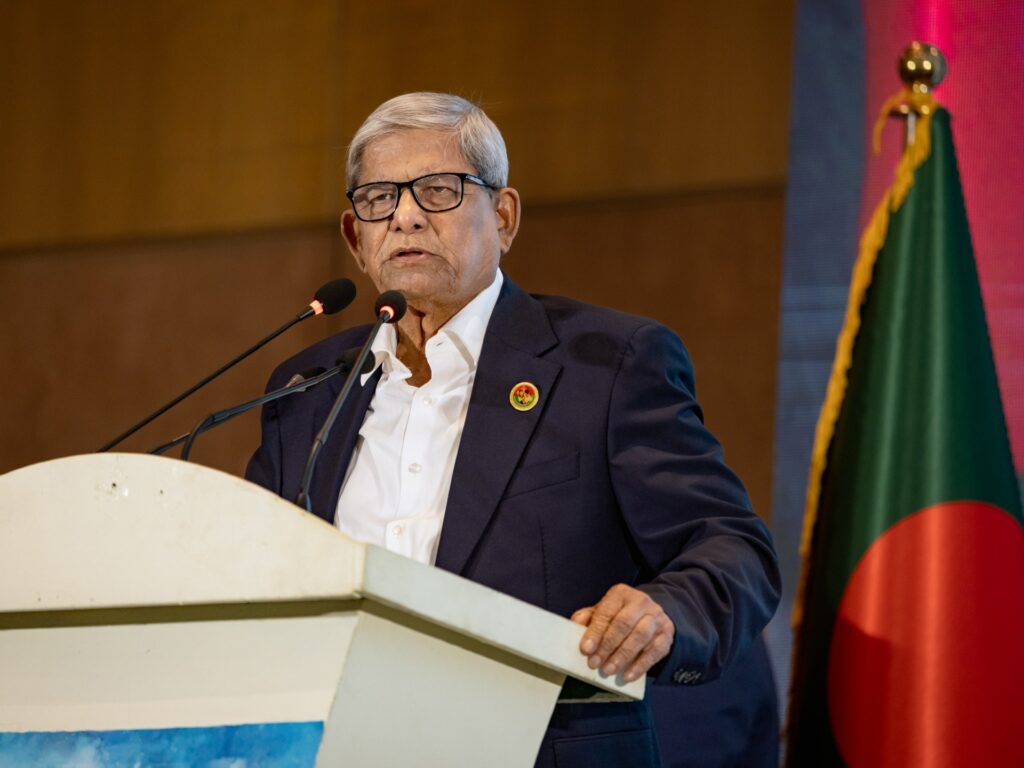
Bangladesh is witnessing a landmark presidential election, the first genuinely contested vote in 35 years, signaling a noteworthy political development in the country’s democratic process. The two main contenders vying for the presidency are Mirza Fakhrul Islam Alamgir, a prominent leader from the Bangladesh Nationalist Party (BNP), and Oli Ahmed, a former army officer representing the Jamaat-led 11-party alliance.
This election is particularly significant because it breaks a long-standing tradition of uncontested presidential appointments, offering the Bangladeshi populace a rare opportunity to engage actively in choosing their head of state. The contest between Fakhrul Islam Alamgir and Oli Ahmed reflects the dynamic multiparty political landscape in Bangladesh, highlighting the growing political competition and the desire for democratic engagement.
Mirza Fakhrul Islam Alamgir, known for his leadership within the BNP, is a seasoned politician with extensive experience in Bangladeshi politics. His candidacy has energized his party’s base and supporters who see this election as a chance to assert their political relevance and influence.
On the other hand, Oli Ahmed’s nomination by the Jamaat-led 11-party alliance introduces a different political perspective. A former army officer, Ahmed’s candidacy signals the alliance’s strategic effort to appeal to a diverse electorate by leveraging his military background and political affiliations.
The presence of the Jamaat-led alliance in the presidential race also illustrates the complexity and multifaceted nature of Bangladeshi politics. This coalition, which includes a number of parties with varying ideologies, aims to consolidate opposition votes and present a united front against the dominant BNP and other political forces.
The election campaign has seen increased political activity, rallies, and public debates, reflecting the heightened interest and stakes involved. Citizens across the country are following the developments closely, recognizing the election as possibly shaping the future trajectory of Bangladesh’s governance and political stability.
Observers view this election as a test of Bangladesh’s democratic institutions and the electoral process’s transparency and fairness. Given the historical context and the long gap since the last contested presidential vote, international attention is also focused on how this election unfolds.
The outcome could influence not only the domestic political balance but also Bangladesh’s relations internationally, as each candidate brings a different vision for the country’s future and potential policy priorities.
In summary, Bangladesh’s first contested presidential election in 35 years, featuring BNP’s Mirza Fakhrul Islam Alamgir and Jamaat-led alliance’s Oli Ahmed, marks a critical moment for democracy in the country. It embodies the evolving political dynamics and the aspirations of Bangladeshi citizens for a more participative and representative leadership.