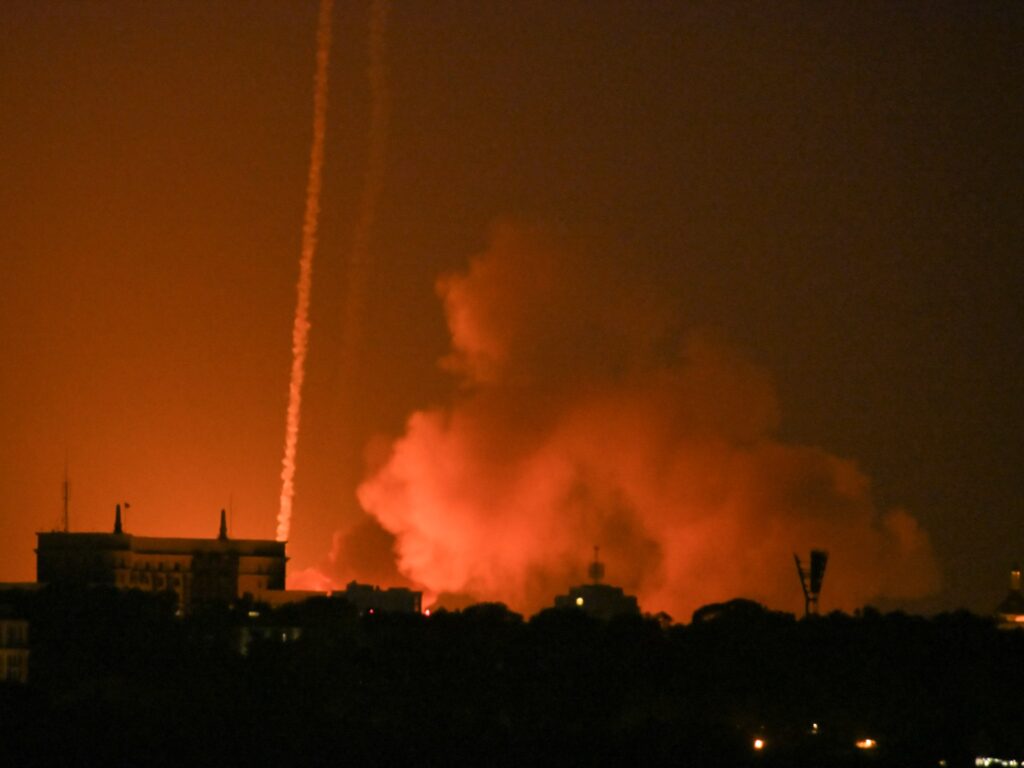
Russian forces launched a series of ballistic missile attacks targeting at least three districts in Kyiv, leading to the deaths of nine people and significant destruction. The strikes resulted in collapsing buildings and multiple fires, intensifying the already severe humanitarian situation in the Ukrainian capital.
This surge in violence comes at a politically sensitive time for Ukraine, with President Volodymyr Zelenskyy facing mounting pressure over the upcoming national elections. The attacks have escalated concerns about the security environment and the capability of the government to hold free and fair elections amidst ongoing conflict.
The missile strikes targeted civilian areas, causing casualties and extensive damage to critical infrastructure. Emergency responders have been working tirelessly to extinguish fires and rescue those trapped in rubble, but the repeated attacks have complicated rescue and relief efforts.
International reactions to the missile attacks were swift, with many countries condemning the aggression and urging Russia to cease hostilities. Analysts suggest that these attacks may be aimed at destabilizing Ukraine politically and undermining Zelenskyy’s authority ahead of the elections.
Zelenskyy has urged the international community to increase support and has vowed to protect the democratic processes in Ukraine despite the attacks. The government is also under pressure to ensure that the elections can proceed safely and that citizens’ rights are preserved.
These recent developments underscore the volatile situation in Ukraine, where military conflict and political challenges intersect, raising doubts about the future stability of the country. The international community continues to call for diplomatic solutions while providing humanitarian assistance to those affected by the conflict.