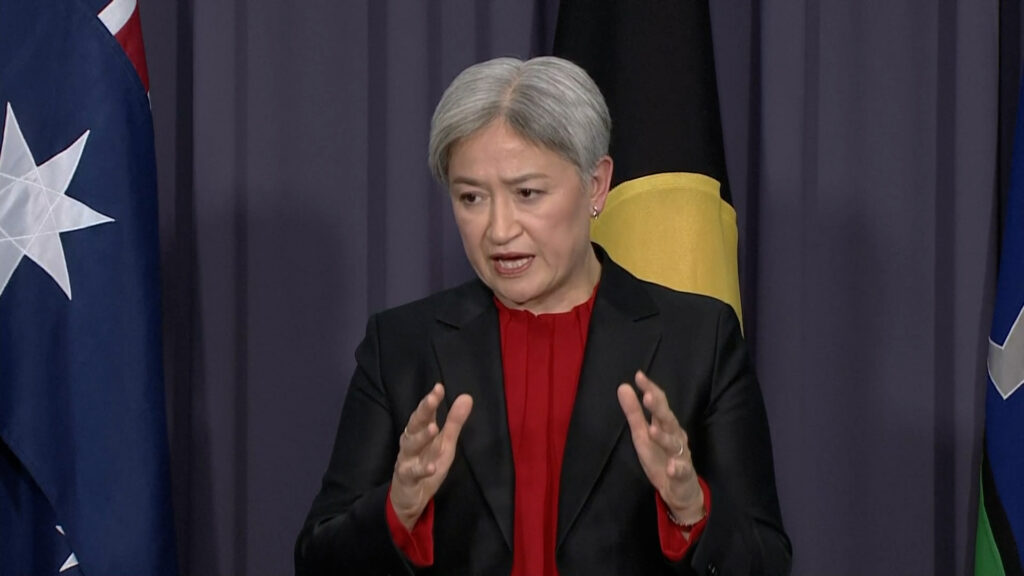
Australia has summoned the Israeli ambassador to express strong dissatisfaction following Israel’s decision not to pursue criminal proceedings related to the deaths connected to World Central Kitchen operations. This move has sparked significant anger within Australia, where the case was closely monitored due to its serious implications.
The controversy centers on allegations that could have far-reaching impacts on international accountability and legal cooperation between nations. Australia’s decision to summon the ambassador underscores the gravity with which it views the Israeli government’s choice to drop the case. The deaths in question remain a sensitive and distressing issue, and the lack of judicial proceedings raises questions about justice for the victims and their families.
Representatives from Australia have articulated concerns that the dismissal of the case could set a concerning precedent, potentially undermining efforts to uphold legal standards in international humanitarian work. World Central Kitchen, an organization focused on food aid, has been at the center of the controversy, which involves operational conduct in areas of conflict or crisis.
Diplomatic discussions are expected to continue as Australia presses for a clear explanation from Israel regarding its legal and ethical reasoning behind the decision. The situation highlights the complex intersection of humanitarian efforts, international law, and diplomatic relations.
This latest development adds tension to the diplomatic ties between Australia and Israel, and it is likely to generate further debate on how such cases are managed across borders. Many advocates for justice and transparency are calling for renewed investigations or alternative avenues to address the unresolved issues stemming from the deaths.
The international community is watching closely, concerned about the implications this may have on future cooperation and accountability in international humanitarian missions. Australia’s insistence on accountability reflects its commitment to justice and the protection of human rights on a global scale.
In summary, the decision by Israel to drop the World Central Kitchen deaths case has provoked notable frustration in Australia, prompting high-level diplomatic engagement and raising important questions about legal accountability in humanitarian contexts. The outcome of this diplomatic exchange could have significant consequences for international relations and the conduct of aid organizations in the future.