The longtime publisher of Stars and Stripes, the US military’s independent newspaper, has resigned in response to escalating tensions with the government. The resignation comes at a time when the Trump administration intensified its efforts to exert editorial control over the publication, raising concerns about press freedom within the military.
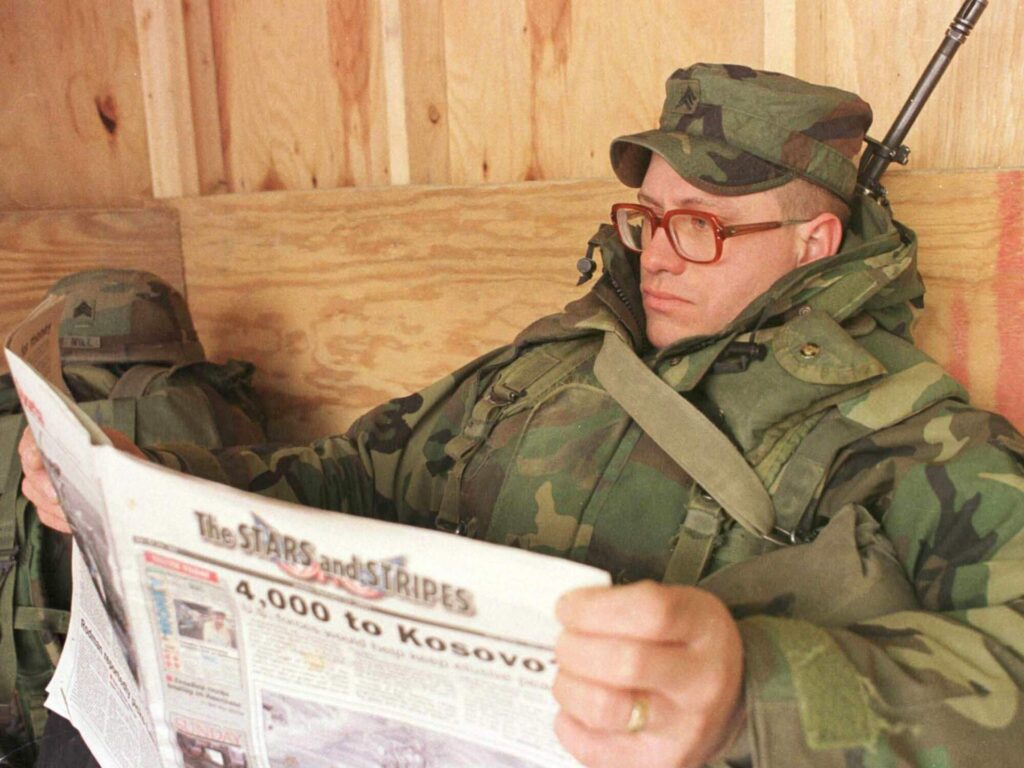
Stars and Stripes has been a staple source of news for American service members for decades, known for its independent reporting and coverage of military affairs without direct government influence. The publisher’s retirement marks a significant shift in the paper’s leadership and highlights the ongoing struggle between the desire for editorial independence and government oversight.
Under the Trump administration, there was an increased push to control the narrative presented in the newspaper, with officials reportedly seeking to influence content and steer the publication in a direction more aligned with the administration’s policies. This move was met with resistance by the publisher, who prioritized journalistic integrity and the need for unbiased reporting.
The publisher’s decision to step down has sparked discussions about the importance of an independent press, especially within institutions like the military, where transparent and objective information is vital for morale and informed decision-making among service members.
Critics argue that government attempts to control military media undermine democratic values and threaten the watchdog role that publications like Stars and Stripes play. Supporters of the administration’s stance claim that controlling editorial content can ensure national security and present a unified message.
This episode sheds light on the broader tensions between government power and press freedom in the United States. It raises critical questions about the appropriate balance between security concerns and the need for a free, independent media.
The resignation also brings attention to the challenges faced by journalists and publishers working within government-affiliated institutions. It underscores the difficulties of maintaining editorial independence when political pressures intensify.
Moving forward, the future of Stars and Stripes remains uncertain. Observers will be closely watching how the new leadership navigates government expectations and the newspaper’s historic commitment to independent journalism.
For military personnel and the public alike, Stars and Stripes has served as a vital source of trustworthy news, and any changes in its editorial stance could have far-reaching implications for information dissemination within the armed forces.
Ultimately, the publisher’s departure is a reminder of the fragile nature of press freedoms and the ongoing need to defend independent journalism in all sectors, including those connected to government and the military.