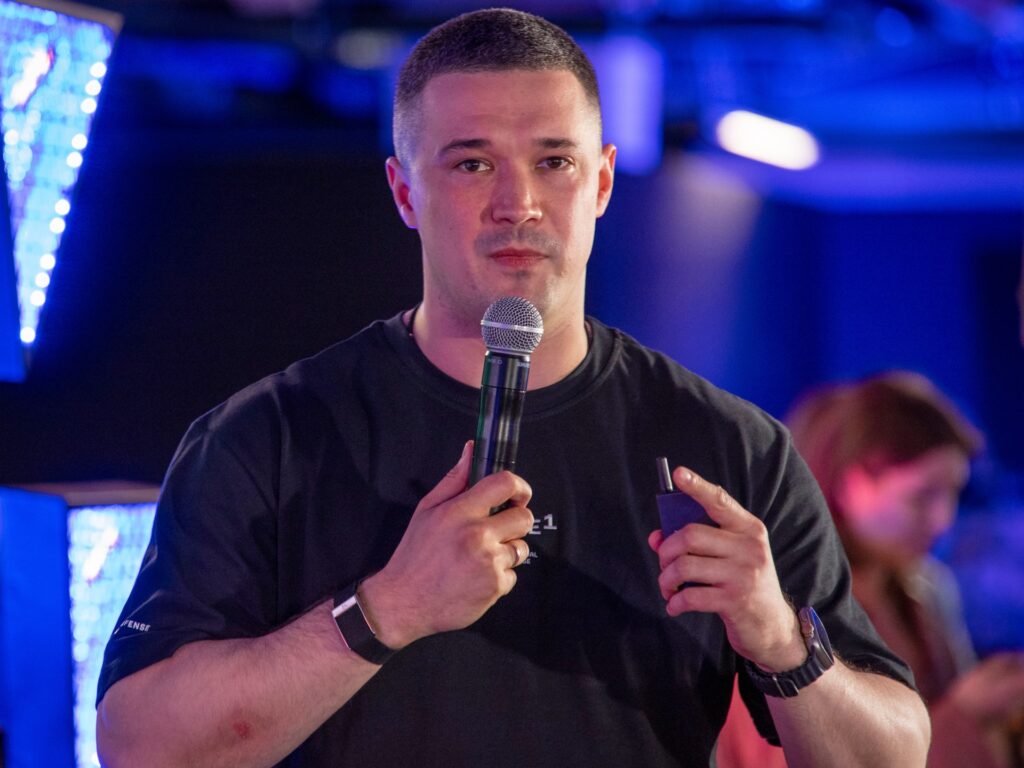
In a significant and unprecedented move during the ongoing conflict, Ukraine’s ousted Defence Minister has publicly called for national elections to be held despite the ongoing war with Russia. Mykhailo Fedorov, a major political figure in Ukraine, made this demand which marks the first such call from a high-profile Ukrainian leader since Russia’s full-scale invasion began.
Fedorov’s statement has sparked intense discussions within the Ukrainian political landscape and among international allies. The call for elections amid wartime is unusual and carries both risks and potential opportunities. Traditionally, countries engaged in significant conflicts tend to postpone elections to maintain stability and focus on defense. However, Fedorov argues that holding elections could strengthen democratic processes, reinforce civilian governance, and unify the nation through democratic mandates.
The timing of this demand is critical. Since the conflict escalated, Ukraine has faced immense challenges, including maintaining territorial integrity, managing international relations, and addressing internal governance concerns. Officials and citizens alike have debated the best course of action during these difficult times. Fedorov’s proposal intensifies this debate, pressing the government to consider democratic legitimacy as a priority alongside military strategy.
Political analysts suggest that the call for elections could be a strategic move to consolidate power or to foster greater public participation in governance. It may also reflect divisions within Ukraine’s political elite about how to navigate the unprecedented pressures of war. Some analysts highlight that transparent and regular elections, even during crises, can serve as a powerful symbol of resilience and commitment to democratic values.
However, opponents of the idea warn that elections during an active conflict might be logistically complicated and could distract from crucial defense efforts. They argue that national security should remain the foremost priority until the war’s end and that political stability may be at risk if election processes are disrupted or perceived as illegitimate.
International observers have noted Fedorov’s call with interest, as Ukraine has received widespread support from Western governments and organizations. The outcome of such potential elections could influence future aid, diplomatic support, and the country’s post-war reconstruction plan.
The call for elections by Mykhailo Fedorov represents a pivotal moment in Ukraine’s war-time governance. As Ukraine strives to defend its sovereignty and maintain democratic principles, the decision on whether to hold elections during conflict will likely play a significant role in shaping the nation’s political landscape for years to come.
The government has yet to announce any formal response to Fedorov’s proposal, leaving many to speculate on the possible repercussions. Observers will be closely watching the developments in Ukraine’s political arena as the conflict continues to evolve, understanding that the balance between military necessity and democratic governance remains a delicate and pressing matter.