India’s ambitious $87 billion river-linking project has ignited fierce protests among villagers who face displacement. The government initiative aims to connect several rivers to redistribute water across states, alleviate droughts, and boost agriculture. However, the price for this large-scale infrastructure plan comes directly from local communities, whose homes and lands are at risk of being submerged or appropriated.
The project, a brainchild of Indian government policy-makers, envisages the construction of dams, canals, and reservoirs to link multiple river systems in an effort to transfer water from surplus to deficit regions. While it promises improved irrigation and hydroelectric capacity, it also involves extensive land acquisition that affects millions.
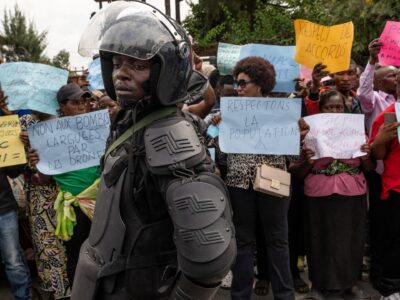
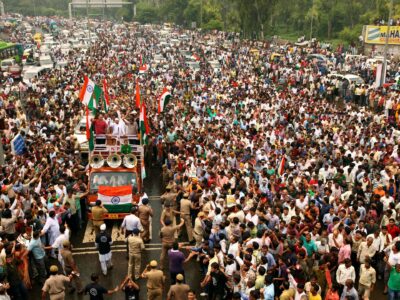
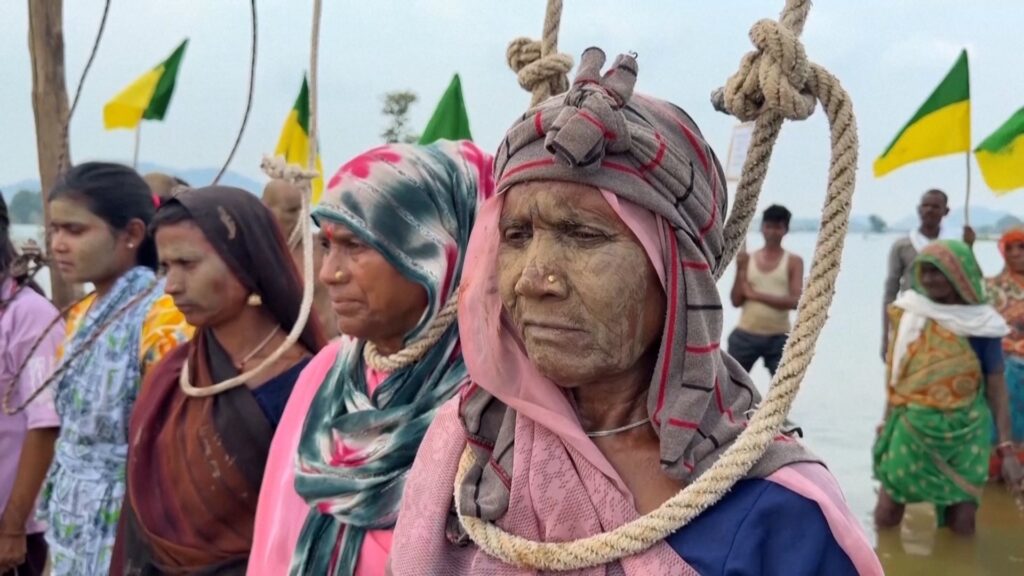
Villagers in regions slated for construction have voiced strong opposition to displacement, asserting their right to their ancestral homes. Many have pledged to resist eviction and have declared they would rather die than abandon their homes. Their resistance highlights the social costs and human rights dilemmas embedded within the mega project.
Critics argue that the project overlooks environmental concerns including potential damage to river ecosystems, loss of biodiversity, and soil erosion. Additionally, the displacement threatens the livelihoods of thousands dependent on agriculture and local natural resources.
The government claims adequate compensation and rehabilitation plans are in place, but villagers express skepticism about implementation and the adequacy of support. They worry that promises of resettlement will not suffice to restore their community bonds and local culture.
Experts caution that without careful planning and genuine consultation with affected communities, the river-linking scheme could aggravate social conflicts and ecological degradation. They urge for a more inclusive approach that balances developmental goals with protection of vulnerable populations.
This confrontation between a state-driven vision for economic development and the grassroots defense of homes underscores the complex challenge India faces in managing its natural resources sustainably while respecting human rights. The unfolding conflict raises pressing questions about how large infrastructure projects should navigate the delicate line between progress and preservation.